

Have you ever chopped a fresh head of lettuce only to find it turning brown shortly after? It’s a common frustration that leaves many wondering if there’s a way to keep that crisp green look. You might be surprised to learn that the process behind this browning isn’t just a simple matter of cutting.
Key Takeaways
- Lettuce browning is caused by enzymatic reactions, primarily involving the enzyme polyphenol oxidase, which reacts with oxygen when the leaves are cut.
- Different lettuce types, like Romaine and Butterleaf, brown at varying rates, with delicate varieties tending to brown faster than sturdier ones.
- Cutting techniques matter: using a sharp knife reduces cell damage and minimizes oxidation, while larger cuts can limit air exposure.
- Effective storage methods include using airtight containers, refrigerating immediately, and layering with damp paper towels to retain moisture.
- Adding lemon juice or rinsing with vinegar can inhibit browning and enhance freshness, while salad dressings may also help if served soon after cutting.
Overview of Lettuce Browning
Lettuce browning occurs due to enzymatic reactions. When you cut lettuce, you damage its cells. This damage exposes enzymes to oxygen, triggering a reaction that leads to browning. The primary enzyme involved is polyphenol oxidase, which catalyzes the oxidation of phenolic compounds within the leaves.
Browning not only affects the appearance but also can alter the taste. Fresh lettuce should maintain its crispness and vibrant color. Once exposed to air, however, it may taste bitter or less appealing.
Several types of lettuce, such as Romaine and Iceberg, exhibit browning when cut. Each variety may brown at different rates. For instance, delicate varieties tend to brown quicker than sturdier types.
To slow the browning process, consider these tips:
- Use a sharp knife: A sharp blade causes less damage to the leaves, reducing enzyme exposure.
- Limit exposure to air: Store chopped lettuce in airtight containers. You can cover the leaves with a damp paper towel to retain moisture.
- Add lemon juice: The acidity of lemon juice can inhibit browning. Sprinkling a little on the cut edges helps preserve the color.
- Refrigerate promptly: Keeping cut lettuce cold slows the enzymatic reactions that cause browning.
By understanding how browning occurs and implementing these methods, you can enjoy fresher, more visually appealing salads.
Recommended Products

Keep your produce fresh for longer: The PrepSolutions Lettuce Keeper keeps your produce fresh with an adjustable air vent and water reservoir, creating the ideal environment for fresh fruits and vegetables. Item measures 12.5" W x 7.25" D x 5.25" H and weighs 1.14 lbs.

Airtight seal keeps food fresh: Keeps deli items like meats, cheeses, and bacon fresh longer with an airtight silicone seal and leak-resistant clasp. Perfect for keeping your kitchen neat and refrigerator organized.
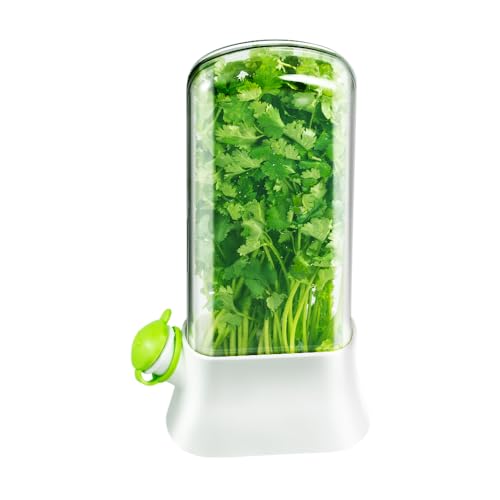
✅ Keeps Herbs Fresh Up to 3X Longer – BPA-free herb keeper extends the shelf life of your fresh herbs, preventing wilting and yellowing while keeping unwanted fridge odors out of your salads. Fits perfectly in most refrigerator doors.
The Science Behind Lettuce Browning
Lettuce browning results from specific biological processes triggered by cutting. Understanding these processes helps you take steps to maintain the freshness of your lettuce.
Enzymatic Reactions
Lettuce contains enzymes, with polyphenol oxidase being the main one responsible for browning. When you cut the lettuce, you damage its cells. This damage causes the enzyme to react with oxygen, leading to browning. Different lettuce types react differently; for example, Romaine tends to brown slower than leafier varieties. Using a sharp knife minimizes cell damage, reducing the initial reaction and slowing browning.
Role of Oxidation
Oxidation plays a crucial role in the browning process. It occurs when phenolic compounds in the lettuce interact with oxygen, resulting in a brown pigment. This pigment not only changes the appearance but can also affect the taste, making it more bitter. To combat oxidation, limit the lettuce’s exposure to air right after cutting. Covering it with a cloth or storing it in an airtight container can significantly slow down oxidation. Additionally, adding acidic ingredients like lemon juice creates an environment that inhibits these reactions, helping maintain the lettuce’s fresh look and taste.
Factors Influencing Browning
Several factors influence how quickly lettuce turns brown after cutting. Understanding these can help maintain its freshness.
Recommended Products

Freshness and Crispness: This vegetable and lettuce container maintains the natural humidity of your produce, keeping them fresh and crisp for longer. It's an excellent way to ensure that your vegetables don't go to waste and stay flavorful.
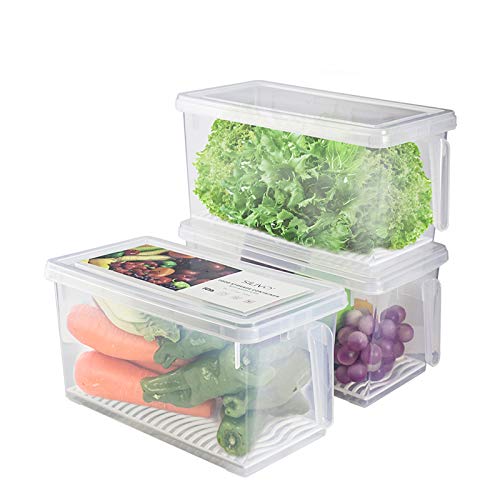
Keep Produce Fresh Longer: Produce saver containers for refrigerator helps prevent spoilage, keep fruits and vegetables crisp and stay longer.
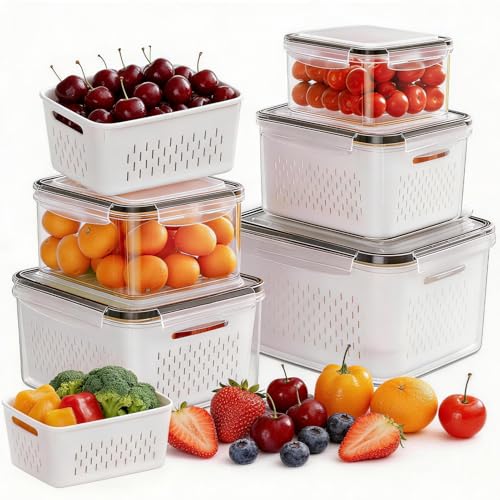
🍓【5 Pack Fruit Storage Set】 More Thicker fruit containers for fridge set include 5 pack of X-Large size 140 OZ(4.15L) + large size 106 OZ (3.15L) + medium size 57 OZ(1.7L) + small size 27 OZ(0.8L) +mini size 13 OZ(0.38L). The produce storage baskets are combined soaking, washing, draining and storage functions, makes your life easier. Various capacities can storage perfectly fit for most fruits, veggies and other food
Type of Lettuce
Different types of lettuce have varying susceptibility to browning. For example, Romaine and Butterhead lettuce often brown slower than more delicate varieties like Butterleaf. Leafy greens with higher water content, such as Iceberg, may also have a different reaction, as their cells are more fragile. Choose sturdier types of lettuce if you plan to pre-cut them in advance.
Cutting Method
How you cut lettuce significantly impacts the browning process. Using a sharp knife prevents excessive tearing of the leaves, reducing cell damage. Employing a dull knife leads to more damage and higher oxidation rates. Cutting leaves into larger pieces can also help minimize surface area exposure to air. Try to make clean cuts and avoid crushing the leaves for best results.
Tips to Prevent Browning
Cutting lettuce doesn’t have to lead to a brown, unappetizing mess. Use these effective strategies to maintain your lettuce’s freshness and crispness.
Recommended Products

𝐊𝐞𝐞𝐩𝐬 𝐕𝐞𝐠𝐞𝐭𝐚𝐛𝐥𝐞𝐬 𝐅𝐫𝐞𝐬𝐡 𝐋𝐨𝐧𝐠𝐞𝐫: The Home-X salad keeper for refrigerator is designed to preserve the freshness of lettuce, broccoli, cauliflower, and more. It creates an ideal cold, moist storage environment to help your vegetables stay crisp and fresh for longer periods.

dishwasher_safe, Dishwasher Safe

5 packs : You will get 5 fridge storage containers with colander size from 300 ml to 4200 ml [10 oz - 148 oz ]. Suited for Most fruits, vegetables, berries, meats.
Proper Storage Techniques
- Use Airtight Containers: Store your cut lettuce in airtight containers. This limits oxygen exposure, slowing down the oxidation process that causes browning.
- Keep It Cool: Refrigerate the lettuce immediately after cutting. A cooler environment reduces enzymatic activity, helping to keep the leaves fresh.
- Layer with Paper Towels: Place a damp paper towel inside the container with the lettuce. It provides moisture while absorbing excess humidity, which can promote browning.
- Limit Air Exposure: Squeeze out excess air when sealing storage bags. Less air contact leads to slower oxidation and longer-lasting freshness.
- Add Lemon Juice: Lightly spritz cut lettuce with lemon juice before storing. The acidity slows down oxidation and enhances flavor.
- Vinegar Rinse: Consider rinsing your cut lettuce in a diluted vinegar solution. This can diminish bacteria and prolong shelf life, though rinse thoroughly afterward.
- Toss with Salad Dressing: If serving soon, lightly coat the lettuce with a vinaigrette. The acidic ingredients in the dressing prevent browning while adding taste.
Implement these tips to keep your salads vibrant and delicious, avoiding the disappointment of brown lettuce.
Conclusion
You don’t have to settle for brown, wilted lettuce anymore. By understanding the reasons behind the browning process and implementing a few simple strategies, you can keep your greens looking fresh and vibrant. Using a sharp knife, minimizing air exposure, and adding a splash of lemon juice can make a world of difference.
Remember to store your cut lettuce in airtight containers and refrigerate it right away. With these tips in mind, you’ll not only enhance the appearance of your salads but also enjoy a better taste. Fresh, crisp lettuce is just a few steps away, so go ahead and enjoy your salads without the browning blues!
Frequently Asked Questions
Why does chopped lettuce turn brown after cutting?
The browning of chopped lettuce is mainly caused by enzymatic reactions due to cell damage when the lettuce is cut. The enzyme polyphenol oxidase reacts with oxygen, leading to the oxidation of phenolic compounds, which changes both the appearance and taste of the lettuce.
How can I slow down the browning process of lettuce?
To slow browning, use a sharp knife to minimize cell damage, limit the lettuce’s exposure to air, and refrigerate it promptly. Additionally, adding lemon juice can inhibit oxidation, helping to preserve the freshness and appearance of the lettuce.
Which types of lettuce brown faster?
Delicate varieties of lettuce, such as Butterleaf, tend to brown more quickly compared to sturdier types like Romaine and Butterhead. The inherent toughness of these sturdier varieties helps them resist the enzymatic browning process better.
Does the method of cutting lettuce affect browning?
Yes, the cutting method impacts browning. Using a sharp knife reduces cell damage and oxidation, while a dull knife can increase it. Additionally, cutting lettuce into larger pieces minimizes exposure to air, further slowing the browning process.
What practical tips can I use to maintain lettuce freshness?
To keep lettuce fresh, store it in airtight containers to limit oxygen exposure, refrigerate immediately, and layer it with damp paper towels to manage humidity. Lightly spritzing with lemon juice or rinsing with a diluted vinegar solution can also help prevent browning.
