

Ever wondered why your tomato plants seem to disappear overnight? Picture this: you wake up one morning, eager to check on your thriving garden, only to find leaves nibbled away and stems mysteriously damaged. Could those sneaky voles be the culprits behind your plant predicament?
In this article, we’ll explore the age-old question: do voles have a taste for tomato plants? Understanding these furry garden visitors’ dining preferences can help you protect your precious produce and maintain a flourishing garden. Stay tuned as we uncover the truth about voles and their potential impact on your tomato patch.
Key Takeaways
- Voles are small rodents that can potentially eat tomato plants, causing damage to your garden.
- Voles primarily feed on plant materials like roots, bulbs, tubers, seeds, and grasses but may target fruits such as tomatoes if other food sources are scarce.
- Signs of voles eating tomato plants include missing or partially eaten fruits with gnaw marks and burrow holes near the plants.
- Damage from voles can result in stunted growth, wilting leaves, and plant death if left unchecked.
- To protect tomato plants from voles, consider preventive measures like removing vegetation, installing barriers, reducing mulch, using traps or repellents, and employing exclusion methods.
Understanding Voles and Their Diet
Voles are small rodents that can cause damage to your garden, including potentially eating tomato plants. Understanding their behavior and dietary habits is crucial in protecting your plants.
What Are Voles?
Voles, often mistaken for mice due to their similar appearance, are herbivores that primarily feed on plant materials such as roots, bulbs, tubers, seeds, and grasses. They have stout bodies with short legs and tails and can reproduce rapidly.
Common Dietary Habits of Voles
Voles are known to consume a wide variety of plants found in gardens. Apart from the vegetation mentioned earlier, they may also target fruits like tomatoes if other food sources are scarce. Voles’ feeding habits can lead to significant damage to crops if left unchecked.
By being aware of voles’ preferences and behaviors, you can take proactive measures to safeguard your tomato plants from these voracious eaters.
Voles and Tomato Plants
Voles are small rodents that can cause damage to your tomato plants if left unchecked. Here’s what you need to know about voles and their impact on your garden.
Recommended Products

COVERAGE AND PROTECTION: Nature's MACE 10 LB Granular bag covers up to 8,000 Sq. Ft, protecting fields, lawns, gardens, flowerbeds, landscapes, and playgrounds from moles, voles, gophers, and armadillos

Ready to Use Organic Repellent Odor Tubes, 12pk

"STRONGER THAN CASTOR OIL REPELLENTS - Our proprietary blend of active ingredients makes our formula stronger than other types of repellents just using castor oil. Our biodegradable formula repels voles and alters their environment by making food taste bad and by making tunnels smell repulsive. "
Evidence of Voles Eating Tomato Plants
If you notice missing or partially eaten tomatoes, with gnaw marks on the fruit or stems, there’s a high chance that voles are responsible for the damage. Additionally, burrow holes near your tomato plants indicate vole activity in the area.
Impact on Tomato Plant Health
Voles feeding on tomato plants can lead to stunted growth, wilting leaves, and ultimately plant death. They target both the fruits and roots of the plants, causing significant harm to your crop. Protecting your tomato plants from these pests is crucial for a successful harvest season.
Managing Vole Populations in Gardens
To safeguard your tomato plants from vole damage, there are preventive measures and effective control techniques you can employ.
Recommended Products
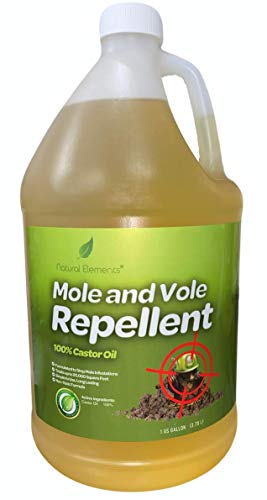
🌿 Harness the Power of Pure Castor Oil: Uniquely formulated with 100% castor oil, this repellent disrupts the sensory perception of moles and voles, making your property an unattractive habitat. Say goodbye to lawn damage as the creatures naturally choose to relocate.

Drive Moles & Voles Away - Our castor oil sends moles & voles in the opposite direction of your home & property. Our formula was specifically designed to impact natural behaviors of these critters. Nature's MACE Castor Oil taints their food source, and leaves an unpleasant smell that moles & voles cannot stand! Moles & voles will go away, searching elsewhere for food.

PROFESSIONAL STRENGTH – Now available to homeowners. Trusted and used by professional landscapers and exterminators. Contains concentrated active ingredients and powerful botanical oils for the strongest protection on the market.
Preventive Measures
To deter voles from targeting your tomato plants, consider the following preventative actions:
- Remove Vegetation: Clear tall grass, weeds, and debris near your garden as they provide cover for voles.
- Install Barriers: Use wire mesh or hardware cloth to create underground barriers around plant roots to prevent vole access.
- Reduce Mulch: Limit mulch around plants as it can attract voles seeking cover.
- Traps: Set up mousetraps baited with peanut butter or apple slices along runways or burrow entrances.
- Repellents: Utilize natural repellents like castor oil sprays or predator urine around the garden perimeter.
- Exclusion Methods: Employ raised beds or containers to elevate plants out of reach of voles.
Conclusion
You’ve learned how voles can pose a threat to your tomato plants due to their herbivorous nature and rapid reproduction. By implementing preventive measures like removing cover vegetation, using barriers, setting traps with bait, applying natural repellents, and utilizing exclusion methods, you can effectively manage vole populations in your garden. Identifying signs of vole damage is key to protecting your tomato plants and ensuring a bountiful harvest. Stay vigilant and proactive in safeguarding your plants against these tiny but destructive pests for a thriving garden season ahead.
Frequently Asked Questions
Q: What are voles and why are they a threat to tomato plants?
A: Voles are herbivorous rodents often mistaken for mice. They pose a threat to tomato plants by targeting fruits like tomatoes due to their rapid reproduction and feeding habits.
Q: How can I prevent vole damage in my garden?
A: Preventive measures include removing vegetation that provides cover, installing barriers around plant roots, reducing mulch, setting traps baited with peanut butter or apple slices, using natural repellents like castor oil sprays, and employing exclusion methods such as raised beds or containers.
Q: How do I identify vole damage on my tomato plants?
A: Look for missing or partially eaten tomatoes with gnaw marks and burrow holes near plants as evidence of vole damage. Identifying these signs early is essential for plant health and a successful harvest season.
