

Have you ever wondered if those old lettuce seeds at the back of your gardening shelf are still good to use? You’re not alone. Many gardeners face this dilemma, unsure whether to toss them or give them another shot.
Key Takeaways
- Lettuce Seed Lifespan: Lettuce seeds typically remain viable for 3 to 6 years, influenced by storage conditions and moisture levels.
- Storage Best Practices: Store seeds in cool, dry, and dark environments, ideally between 32°F and 41°F, using airtight containers to prevent moisture exposure.
- Types of Lettuce Seeds: Recognize different types of lettuce seeds, such as Romaine, Iceberg, Butterhead, and Leaf, each with unique growing conditions and characteristics.
- Signs of Spoiled Seeds: Look for discoloration, shriveling, or visible mold to identify bad seeds; conducting a germination test can further confirm viability.
- Seed Quality Matters: Always choose high-quality seeds from reputable sources and check packaging dates for better germination rates.
- Germination Testing: Perform germination tests by placing seeds on damp paper towels and checking for sprouting within 7 to 14 days as a practical assessment of seed viability.
Understanding Lettuce Seeds
Lettuce seeds come in various types and have a specific lifespan. Knowing these details helps you determine whether to use old seeds or buy fresh ones.
Types of Lettuce Seeds
You can choose from several types of lettuce seeds, including:
- Romaine: This type features long, upright leaves. It thrives in cooler weather and has a crunchy texture.
- Iceberg: Known for its firm, round heads, iceberg lettuce is popular in salads and is crisp and refreshing.
- Butterhead: Butterhead varieties, such as Boston and Bibb, have soft, tender leaves. They are often used in gourmet salads.
- Leaf: Leaf lettuce is versatile. It produces loose leaves that come in various colors and textures, making it great for mixed salads.
Each seed type has unique growing conditions. Understanding these differences can enhance your gardening success.
Lifespan of Lettuce Seeds
Lettuce seeds typically last between 3 to 6 years. Viability can decline due to several factors, including moisture and temperature. Some important lifespan considerations are:
- Storage Conditions: Storing seeds in a cool, dry place extends their life. Avoid areas with high humidity.
- Packaging: Use airtight containers to minimize exposure to air and moisture.
- Testing Viability: Perform a germination test by planting a few seeds. If at least 50% sprout, the seeds are still good to use.
Managing your lettuce seeds effectively ensures you maximize their lifespan and viability, making your gardening endeavors more fruitful.
Factors Affecting Seed Viability
Seed viability depends on various factors that can influence how well your lettuce seeds germinate over time. Understanding these factors helps optimize your gardening results.
Recommended Products

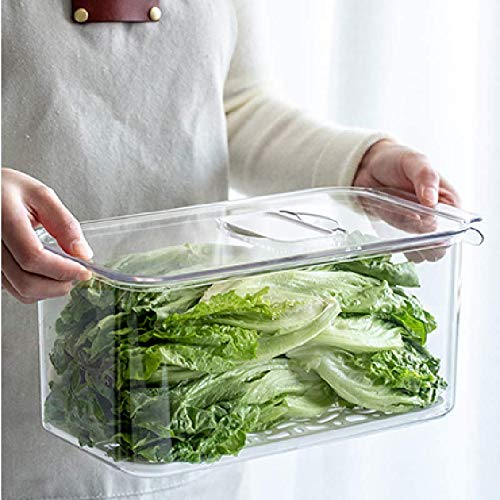
Keep your produce fresh for longer: The PrepSolutions Lettuce Keeper keeps your produce fresh with an adjustable air vent and water reservoir, creating the ideal environment for fresh fruits and vegetables. Item measures 12.5" W x 7.25" D x 5.25" H and weighs 1.14 lbs.

Airtight Seal Technology – Hinged lid with silicone gasket creates an airtight seal to keep flour, sugar, rice, and other dry goods fresh longer while preventing moisture and pests
Note: NOT dishwasher safe! NOT for microwave oven! Working celsius temperature -30℃~60℃,suitable for refrigerator and freezer.
Storage Conditions
Storage conditions play a vital role in maintaining seed viability. Lettuce seeds thrive in cool, dry, and dark environments. Exposure to moisture, heat, or light can lead to faster deterioration.
- Store seeds in airtight containers to prevent moisture entry.
- Place containers in a cool, dark place, like a basement or refrigerator.
- Avoid storing seeds in areas with fluctuating temperatures, such as near ovens or windows.
Seed Quality
Seed quality significantly impacts germination rates. High-quality seeds tend to have better viability, while older or improperly handled seeds may struggle.
- Choose seeds from reputable suppliers to ensure quality.
- Inspect seeds for visible signs of damage, such as discoloration or mold.
- Always check the packaging date; fresher seeds generally offer higher germination rates.
By paying attention to storage conditions and seed quality, you can ensure better viability for your lettuce seeds, leading to a more successful gardening experience.
Signs That Lettuce Seeds Have Gone Bad
You can identify bad lettuce seeds through several clear signs. Recognizing these indicators helps you decide whether to discard or keep your seeds.
Recommended Products

4 Popular Heirloom Lettuce Varieties: Includes Red Romaine, Bibb Butterhead, Black Seeded Simpson, and Green Ice lettuce seeds to grow crisp, tender, and colorful salad greens with balanced flavor, texture, and visual appeal.

Gardening Kit: 15 Lettuce & Salad Greens Seeds Variety Pack NON GMO Heirloom Seeds LESS THAN $0.70 PER SEED VARIETY PACK 17,700+ seeds including: Arugula, Kale, Spinach, Buttercrunch Lettuce, Oakleaf Green Lettuce, Cimarron Lettuce, Iceberg Lettuce, Romaine Lettuce, Swiss Chard, Corn Salad - Mache, Mizuna, Curled Cress, Endive Curled Ruffec, Radicchio, Curled Mustard.

Red Romaine: Features vibrant red-tinged leaves with green bases, offering a mild, slightly sweet flavor and crisp texture ideal for salads and garnishes.
Changes in Appearance
Examine the seeds closely. Healthy lettuce seeds typically appear firm and smooth. If seeds display signs of discoloration, such as fading or dark spots, it’s a red flag. Seeds that are shriveled or cracked indicate poor quality, which often means they won’t germinate well. Insects or mold on the seeds confirms they’ve likely spoiled. Inspect the packaging too, check for punctures or openings that can lead to exposure to moisture and air.
Germination Tests
Conduct a germination test to check seed viability. To perform this test, gather a few seeds, dampen a paper towel, and place a small number of seeds on it. Fold the towel to cover the seeds, then place it in a warm area. Keep the towel moist but not soggy. After 7 to 14 days, check for sprouting. If fewer than half of the seeds germinate, consider them unfit for planting. This practical test provides you with a hands-on assessment of your seeds’ potential.
Best Practices for Storing Lettuce Seeds
Storing lettuce seeds properly helps maintain their viability and improves your gardening success. Here are some best practices for effective storage.
Recommended Products

Upgraded Version: Our dog food storage container features a large nozzle design, solving the problem of the old model's small nozzle being unable to dispense large kibble. It can easily dispense food of all sizes and textures, addressing the difficulties users faced with the previous design.

UNCOMPROMISING SEED SECURITY - Your precious seed collection deserves more than a plastic container. Our upgraded dual safety locks create a fortress against moisture, curious kids, and pests. The light-proof, coated metal walls maintain seed viability, so your heirloom tomatoes and rare peppers are always ready for the next season.

Upgraded Version: Our dog food storage container features a large nozzle design, solving the problem of the old model's small nozzle being unable to dispense large kibble. It can easily dispense food of all sizes and textures, addressing the difficulties users faced with the previous design.
Ideal Storage Conditions
Lettuce seeds thrive in cool, dry, and dark environments. Aim for a temperature between 32°F and 41°F (0°C and 5°C) to extend seed longevity. Monitor humidity levels as well, keeping them below 50%. A basement or a cellar can provide a suitable environment if conditions remain stable. Avoid storing seeds in areas with high temperature fluctuations, like garages or attics.
Using Airtight Containers
Using airtight containers protects your seeds from moisture and pests. Choose glass jars or plastic containers with secure lids. Label each container with the seed type and the date of storage. This practice helps you track seed age and replace them as needed. Ensure the containers are completely dry before adding seeds to prevent mold growth. If possible, include a silica gel packet inside the container to absorb any excess moisture.
Conclusion
Don’t let old lettuce seeds discourage you from gardening. With the right knowledge and a few simple tests you can determine whether those seeds are still good to go. Remember that proper storage plays a huge role in keeping seeds viable for longer.
By checking for signs of deterioration and conducting germination tests you can make informed choices about your gardening supplies. Embracing these practices not only boosts your confidence but also enhances your chances of a bountiful harvest. So go ahead and give those seeds a second chance; you might be pleasantly surprised by the results!
Frequently Asked Questions
How long do lettuce seeds last?
Lettuce seeds typically have a lifespan of 3 to 6 years, depending on the seed type and storage conditions. Proper storage can extend their viability, so it’s important to keep them in cool, dry, and dark environments to maximize their shelf life.
What types of lettuce seeds are there?
The main types of lettuce seeds include Romaine, Iceberg, Butterhead, and Leaf lettuces. Each type has its own unique growing conditions, so it’s essential to understand these differences for successful gardening.
How can I test if my lettuce seeds are viable?
You can perform a germination test by placing a few seeds between damp paper towels in a warm location. Check after 7 to 14 days for sprouting; if a significant number germinate, your seeds are likely still viable.
What are the best storage conditions for lettuce seeds?
The ideal storage conditions for lettuce seeds are cool temperatures between 32°F and 41°F (0°C and 5°C) and low humidity levels, ideally below 50%. Using airtight containers helps keep them fresh.
What signs indicate that lettuce seeds have gone bad?
Signs that lettuce seeds may have gone bad include discoloration, shriveling, or the presence of insects and mold. Inspect both the seeds and their packaging for any damage before planting.
How should I store my lettuce seeds?
Store lettuce seeds in airtight containers, such as glass jars or plastic bins, and label them with the seed type and storage date. Including a silica gel packet can help absorb excess moisture and prevent mold growth.
