

Have you ever wondered if your lettuce plants will keep giving you fresh greens throughout the season? You’re not alone. Many gardeners face the challenge of knowing how long their lettuce will thrive before it bolts or goes to seed.
Key Takeaways
- Lettuce Growth Stages: Understand the lifecycle of lettuce, from seed germination (7 to 14 days) to maturity (30 to 70 days), to optimize harvesting times.
- Impact of Bolting: Bolting occurs in warmer temperatures, leading to bitter leaves; harvest before this stage to ensure the best flavor and quality.
- Continuous Harvest Techniques: Utilize the cut-and-come-again method to trim outer leaves while allowing regrowth, and implement succession planting for a staggered harvest throughout the season.
- Choosing the Right Varieties: Select slow-bolting varieties like Romaine or Butterhead to maximize production and extend harvesting periods.
- Environmental Factors: Maintain optimal growing conditions, including temperatures between 60°F and 70°F, 12-16 hours of light daily, and consistent moisture levels for healthy lettuce plants.
- Harvesting Phases: Harvest baby leaves 3-4 weeks after germination, mature leaves after 6-8 weeks, and complete harvest when plants bolt for the best yields.
Overview of Lettuce Plant Growth
Lettuce plants thrive in cool weather and grow best in nutrient-rich soil. Regular watering supports strong growth, while proper sunlight ensures healthy leaves.
Growth Stages of Lettuce
- Seed Germination: Seeds sprout within 7 to 14 days, depending on factors like temperature and moisture.
- Seedling Development: Young plants develop true leaves about 2 to 3 weeks after germination.
- Mature Plant Growth: Lettuce reaches maturity in 30 to 70 days, based on the variety, with constant leaf production during this phase.
- Bolting: When temperatures rise, lettuce shifts energy to flowering. This process usually occurs in late spring or summer.
Bolting and Its Effects
Bolting signals the end of leaf production. Once lettuce plants bolt, their leaves often become bitter and tough. If you notice this happening, it’s best to harvest any remaining leaves; young leaves will still be tender.
Continuous Harvesting
To keep lettuce plants producing, consider the following practices:
- Cut-and-Come-Again Method: Trim outer leaves while leaving the core intact. This encourages new growth.
- Succession Planting: Sow seeds every few weeks to ensure a steady supply of fresh lettuce throughout the season.
- Select Slow-Bolting Varieties: Choose types known for longer harvesting periods, such as Romaine or Butterhead.
Environmental Factors to Consider
Temperature, light, and moisture greatly influence lettuce growth:
- Temperature: Aim for daytime highs of 60°F to 70°F. Extreme heat encourages bolting.
- Light: Provide at least 12 hours of sunlight per day. If growing indoors, consider grow lights.
- Moisture: Consistent watering is crucial. Keep the soil moist but not soggy.
By understanding these growth dynamics, you can maximize your lettuce production and enjoy fresh greens longer.
Factors Influencing Lettuce Production
Lettuce plants can continuously produce leaves under the right conditions. Several factors play a significant role in determining how long they keep producing.
Recommended Products
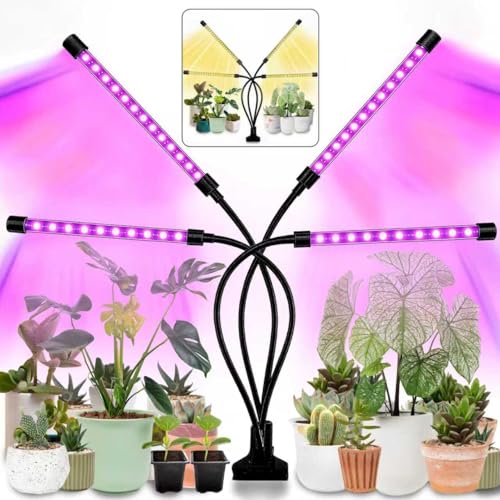
🌻Efficient LED Combination: This LED lamp has grow lights made up of 80 efficient growing LEDs ( 32 red lights, 12 blue lights,20 yellow lights and 16 white lights). It meets the conditions of plant growth without sunlight. 1--Full Spectrum(380nm-800nm): Suitable for all plants to root and sprout. 2--Red(660nm)+BLUE(460nm) Spectrum: for blooming and fruits. 3--Red+Blue+Full Spectrum: A mix of Red+Blue+Warm White is best to fuel the growth of your plants.

6000K Daylight Full Spectrum- Packed with 40 white and 8 red LEDs, this growth light throws a crisp 6000K beam that reads like real sunshine indoors. Built for flowers, herbs, peppermint, succulents, and seed starting, and flexible enough for hanging baskets, trellises, floor pots, and bonsai alike.

【Perfect for All Growth Stages】 Excellent full spectrum LED grow light, including white, blue, red. The 660nm red and white light speeds up flowering time and boosts yields. The 430nm blue light can accelerate the growth of plant rhizomes and leaves. Allows you to harvest easy-to-grow vegetables, flowers, and herbs in harsh environments
Variety of Lettuce
Different varieties of lettuce exhibit distinct growth patterns and production timelines. For example:
- Butterhead Lettuce: Known for its tender leaves, this variety typically offers a longer harvest period.
- Romaine Lettuce: This type yields abundant leaves and resists bolting longer than most.
- Leaf Lettuce: These varieties grow quickly, making them ideal for successive harvests.
Choosing the right variety can enhance production. Research suitable types for your climate and growing conditions.
Growing Conditions
Optimal growing conditions significantly influence lettuce production. Key aspects include:
- Temperature: Lettuce thrives in cooler temperatures, ideally between 60°F and 70°F. High heat leads to faster bolting.
- Light: Provide 12 to 16 hours of light daily for ideal growth. Insufficient light can stunt development and reduce yields.
- Moisture: Maintain consistent moisture levels. Lettuce prefers well-drained soil; both overwatering and underwatering can affect quality.
Adjusting these growing factors can maximize lettuce yield and prolong its production. Monitor these conditions closely for the best results.
Lifecycle of Lettuce Plants
Lettuce plants progress through distinct stages, each critical to their growth and productivity. Understanding these stages aids gardeners in maximizing lettuce yield.
Germination to Maturity
Lettuce seeds germinate within 7 to 14 days under optimal conditions. Soil temperature around 65 to 75°F (18 to 24°C) promotes quick germination. After germination, seedlings develop true leaves and enter the vegetative phase. This stage lasts approximately 30 to 45 days, depending on the variety and growing conditions. During this time, regular watering and proper light exposure enhance growth.
When temperatures rise and light increases, lettuce shifts toward bolting. Bolting occurs when the plant shoots up a flower stalk, leading to bitter leaves. It generally happens 4 to 6 weeks after planting for most varieties. Knowing this timeline helps you harvest before the plant bolts.
Harvesting Phases
Harvesting occurs in phases, providing options to maximize your yield.
- Baby Leaves: Harvest baby lettuce leaves 3 to 4 weeks post-germination. Use scissors to cut above the crown to encourage regrowth.
- Mature Leaves: Begin harvesting mature leaves around 6 to 8 weeks. Take outer leaves first while allowing the inner leaves to continue growing.
- Complete Harvest: When plants bolt or flower, complete your harvest. Cut the whole plant at the base and use or store it quickly, as the quality diminishes after flowering.
Implementing techniques like the cut-and-come-again method allows continued leaf production even after initial harvests. This ensures a steady supply of fresh lettuce throughout its growing season.
Continuous Harvest Techniques
Utilizing continuous harvest techniques keeps your lettuce plants producing fresh leaves throughout the growing season. Here’s how to effectively implement two popular methods: the cut-and-come-again method and succession planting.
Cut-and-Come-Again Method
The cut-and-come-again method allows for multiple harvests from the same plant. Start by harvesting the outer leaves of mature lettuce plants, leaving the inner leaves to continue growing. This technique encourages new growth, ensuring a steady supply of fresh lettuce.
- Choose the Right Time: Harvest when leaves are large enough to eat but before the plant bolts.
- Use Clean Tools: Always use sharp, clean scissors or garden shears to avoid damaging the plant.
- Leave Enough Growth: Leave at least one-third of the plant intact to ensure it can regenerate.
Following this method, you’ll enjoy repeated harvests without the need to replant constantly.
Succession Planting
Succession planting involves sowing seeds at intervals to create a staggered harvest. This technique extends your lettuce production period.
- Plan Your Schedule: Plant new seeds every two to three weeks. This timeline varies depending on the lettuce variety and your local climate.
- Select Varieties: Mix different types of lettuce, such as Romaine and Butterhead, to diversify your harvest and extend your options.
- Monitor Conditions: Keep track of temperature and moisture levels, as these affect seed germination and growth rates. Adjust planting frequency according to seasonal changes.
Implementing succession planting ensures a continuous supply of fresh lettuce while minimizing gaps in harvest.
These techniques help you maximize your lettuce yield and enjoy fresh greens for an extended period. By strategically managing your harvesting and planting schedules, you’ll keep your garden thriving.
Conclusion
Growing lettuce can be a rewarding experience when you know how to keep it producing. By using techniques like cut-and-come-again and succession planting you can enjoy fresh greens for longer.
Pay attention to the environmental factors that affect your plants to maximize their yield and quality. With the right care and strategies you can keep your lettuce patch thriving throughout the season. So get out there and enjoy the process of growing your own delicious lettuce!
Frequently Asked Questions
How long does fresh lettuce last before bolting?
Fresh lettuce typically lasts anywhere from 4 to 6 weeks before bolting, depending on the variety and growing conditions. Factors like temperature and humidity play a crucial role in minimizing bolting.
What are the growth stages of lettuce plants?
Lettuce plants go through several growth stages: germination, seedling, vegetative, and reproductive. The vegetative stage is where leaf growth occurs, while the reproductive stage leads to bolting and seed formation.
What is bolting and how does it affect lettuce quality?
Bolting is the process where lettuce plants flower and go to seed, usually triggered by temperature and light changes. This process makes the leaves bitter and less palatable, significantly affecting overall quality.
What methods help prolong lettuce production?
Continuous harvesting techniques such as the cut-and-come-again method and succession planting help prolong lettuce production. These methods allow for repeated harvesting from the same plant or staggered planting schedules for ongoing supply.
What environmental factors affect lettuce growth?
Temperature, light, and moisture are critical environmental factors influencing lettuce growth. Ensuring optimal conditions can maximize yield and maintain high-quality leaves throughout the growing season.
What are the best lettuce varieties for extended harvesting?
Several lettuce varieties are ideal for extended harvesting, including romaine, butterhead, and looseleaf types. These provide better resilience against bolting and can thrive under various conditions, enhancing quality and yield.
