

Have you ever watched ducks paddling around a pond and wondered what they munch on? If you’ve got water lettuce floating in your backyard oasis, you might be curious if these charming birds will nibble on it.
Key Takeaways
- Diverse Diet: Ducks have an omnivorous diet, consuming a variety of foods including aquatic plants, grains, insects, and small fish, allowing flexibility in foraging.
- Nutritional Needs: Essential nutrients for ducks include protein (14-16%), carbohydrates, healthy fats (5-10%), and vitamins/minerals, which support growth, energy, and overall health.
- Water Lettuce as Food: Ducks do eat water lettuce, primarily nibbling on its soft leaves while also foraging for insects and seeds that are hidden within it.
- Ecological Benefits: Water lettuce provides shelter, foraging opportunities, and plays a role in improving water quality, benefiting both ducks and aquatic ecosystems.
- Other Aquatic Plants: Ducks also consume various other aquatic plants like duckweed, pondweed, and water hyacinth, which offer similar nutritional value and habitat support.
- Seasonal Awareness: The availability of aquatic plants varies by season, impacting duck foraging habits and the types of food they can access throughout the year.
Overview of Ducks’ Diet
Ducks enjoy a varied diet that includes a mix of plant and animal sources. Understanding their dietary preferences helps in determining if they’ll eat water lettuce.
Common Foods for Ducks
Ducks consume a wide range of foods, including:
- Aquatic plants: Duckweed, water lilies, and water lettuce serve as nutritious options.
- Grains: Corn, oats, and barley offer energy.
- Insects: Beetles, worms, and larvae provide protein.
- Small fish: Some ducks hunt for small fish, enhancing their protein intake.
- Vegetables: Leafy greens, like spinach and lettuce, are popular choices.
These food examples highlight ducks’ omnivorous nature and their adaptability to various food sources.
Nutritional Needs of Ducks
Ducks require specific nutrients for optimal health. Focus on these essential components:
- Protein: Critical for growth and feather production, adult ducks need 14-16% protein.
- Carbohydrates: Important for energy, grains and aquatic plants supply carbohydrates.
- Fats: Necessary for overall health, especially during breeding, healthy fats should make up 5-10% of their diet.
- Vitamins and minerals: Calcium supports bone health while vitamin A and D contribute to reproductive success.
Providing a balanced diet that satisfies these nutritional needs ensures ducks thrive and remain healthy.
Water Lettuce: A Closer Look
Water lettuce serves as a floating aquatic plant often found in warm, shallow waters. Its lush, green leaves create a vibrant habitat for various wildlife, including ducks.
Recommended Products
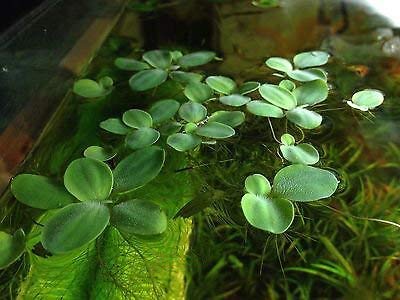
12 Dwarf Water Lettuce, Pistia stratiotes, Live Aquarium/Floating/Aquatic Plant

You get 1 Water Lettuce 3-5" in diameter ready to float on your pond

LIVE PLANTS: Package includes 5 fresh water plants with vibrant green leaves and buoyant bulbs for immediate pond use
Description and Characteristics
Water lettuce (Pistia stratiotes) features broad, floppy leaves that resemble a head of lettuce. The rosette shape of the leaves allows them to float on water surfaces. The root system hangs beneath, providing stability and support. These plants can grow up to 6 inches in diameter and thrive in warm temperatures. Water lettuce reproduces quickly, leading to dense mats that can cover large areas of water. This growth can be beneficial but may also obstruct light and reduce oxygen levels in the water.
Benefits of Water Lettuce in Ecosystems
Water lettuce plays a vital role in aquatic ecosystems. It provides food and shelter for numerous species, including fish, insects, and amphibians. Ducks enjoy foraging among the leaves, finding insects and seeds. The plant also helps improve water quality by absorbing excess nutrients, thus preventing algal blooms. Its dense mats can reduce water evaporation and offer shade, maintaining a stable habitat for wildlife. In summary, water lettuce fosters biodiversity while directly supporting the dietary habits of ducks and other creatures.
The Relationship Between Ducks and Water Lettuce
Ducks often interact with water lettuce, taking advantage of its presence in aquatic habitats. This relationship benefits both ducks and the plant.
Recommended Products

LIVE PLANTS: Package includes 8 fresh water Lettuce plants with vibrant green leaves and buoyant bulbs for immediate pond use
IMPORTANT: Please note that during times of extreme weather, live plants will suffer due to extreme temperatures. During winter, do not order live plants when temperatures are expected to go below 20F at the lowest point during the day. During summer, avoid ordering plants when temperatures are above 100F.

LIVE PLANTS: Package includes 4 Extra Large fresh water Lettuce plants with vibrant green leaves and buoyant bulbs for immediate pond use
Do Ducks Eat Water Lettuce?
Ducks do eat water lettuce. This floating aquatic plant offers a variety of nutrients. Ducks tend to nibble on the soft leaves, but they primarily forage for insects and seeds hidden among the foliage. While water lettuce isn’t the primary food source, it often forms part of a diverse diet, contributing to their overall nutritional needs.
Benefits of Water Lettuce for Ducks
Water lettuce provides several advantages for ducks:
- Shelter: Water lettuce creates a protective environment, allowing ducks to hide from predators while foraging.
- Foraging Opportunities: Ducks find food like insects and seeds within the plant’s layers, promoting healthy feeding behavior.
- Water Quality Improvement: Water lettuce plays a role in enhancing water quality by absorbing excess nutrients, resulting in a healthier habitat for ducks.
- Breeding Ground Enhancement: The plant offers areas for nesting, increasing the chance of successful duck broods in suitable environments.
By recognizing these benefits, you can appreciate the integral role water lettuce plays in the lives of ducks.
Other Aquatic Plants Ducks May Consume
Ducks often explore a variety of aquatic plants alongside water lettuce. Their diet includes different plants rich in nutrients that contribute to their overall health.
Recommended Products

QUANTITY: Includes 1000+ leaves live duckweed plants, providing an abundant supply for aquariums and ponds.

80+ PLANTS - You will receive plants with a combined total of 80 leaves or more (see 2nd pic for approximate size).

Comparison with Water Lettuce
Ducks enjoy other floating plants similar to water lettuce. Some notable examples include:
- Duckweed: This small plant grows rapidly and provides protein. Ducks often forage on its surface, making it a common sight in ponds.
- Pondweed: Known for its submerged leaves, pondweed offers nutrients and habitat. Ducks can find insects and small fish hiding within these plants.
- Water Hyacinth: Although it can be invasive, this plant offers a dense cover and nutrients. Ducks utilize it for shelter and food, foraging among its roots.
These plants serve similar ecological functions as water lettuce, offering food and shelter for ducks in aquatic environments.
Seasonal Availability of Aquatic Plants
The availability of aquatic plants changes with the seasons. Key points to consider include:
- Spring: New growth emerges, making a variety of plants available. Duckweed thrives during this time, providing ample food.
- Summer: Warm temperatures and sunlight promote rapid plant growth. Ducks find abundant foraging opportunities, particularly in dense vegetation.
- Fall: Many plants begin to die back but still provide shelter. Ducks may forage on decaying plant matter and find seeds that fall during this season.
- Winter: Some plants remain but food sources become limited. Ducks often rely on seeds and stored energy reserves during colder months.
Understanding the seasonal patterns of these aquatic plants helps you recognize what ducks may be consuming during different times of the year.
Conclusion
Ducks thrive on a varied diet that includes water lettuce among other aquatic plants. By understanding their eating habits you can create a more inviting environment for these charming birds. Providing a mix of plants not only supports their health but also enriches the ecosystem around them.
So whether you’re a backyard enthusiast or just enjoy observing ducks in nature remember that every little bit helps. Keep an eye out for those vibrant green patches of water lettuce and watch how they attract these delightful creatures. Your efforts can make a real difference in supporting duck populations and enhancing their habitats.
Frequently Asked Questions
What do ducks eat in their diet?
Ducks are omnivores, meaning they consume both plant and animal materials. Their diet often includes aquatic plants, insects, small fish, and grains. A balanced diet is crucial for their health, growth, and reproduction.
Why is water lettuce important for ducks?
Water lettuce serves as a vital food source and habitat for ducks and other aquatic species. It provides shelter and contributes to the ecosystem’s overall health, enabling ducks to thrive in their natural environments.
What other aquatic plants do ducks eat?
In addition to water lettuce, ducks also consume duckweed, pondweed, and water hyacinth. These plants are nutritious and play a crucial role in supporting ducks’ dietary needs and overall health.
How do seasonal changes affect duck diets?
Seasonal availability of aquatic plants significantly influences duck diets. As different plants grow and die off throughout the year, ducks adapt their eating habits to access the food sources available in each season.
How can I support duck populations?
To support duck populations, provide healthy habitats. Plant native aquatic plants, maintain clean water sources, and create safe nesting areas. Understanding their dietary needs can help you enhance their ecosystem effectively.
