

Have you ever planted a beautiful garden, only to find your tomato plants mysteriously disappearing overnight? Picture waking up to find your prized tomatoes nibbled away, leaving you wondering who the culprit could be. If you suspect deer might be the culprits behind your vanishing tomato plants, you’re not alone.
In this article, we’ll explore the age-old question: do deer really have a taste for tomato plants? You’ll discover valuable insights into understanding deer behavior and learn practical tips on how to protect your beloved garden from these hungry herbivores. By the end of this read, you’ll be equipped with the knowledge needed to safeguard your tomato plants and enjoy a thriving garden all season long.
Key Takeaways
- Deer are attracted to gardens due to the diverse array of palatable plants available, including tomato plants.
- Factors influencing deer diet choices include seasonality, food availability, plant nutrition, and taste preferences.
- Deer can cause significant damage to tomato plants through browsing, trampling, and fruit consumption.
- Implementing tall fences, natural repellents like garlic or predator urine, and diversifying plant types can effectively protect tomato plants from deer damage.
Understanding Deer Behavior in Gardens
Deer can be attracted to gardens for various reasons. Let’s delve into why they find gardens appealing and what influences their dietary choices.
The Appeal of Gardens to Deer
Gardens provide deer with a diverse array of plants that are often more palatable than their natural diet. The lush vegetation, including tender shoots, fruits, and flowers, can entice deer into garden areas. Additionally, the proximity of gardens to wooded areas where deer typically reside makes them easily accessible food sources for these animals.
Factors Influencing Deer Diet Choices
Deer select their diet based on factors such as seasonality, availability of food sources, nutritional content of plants, and taste preferences. During different seasons, deer may opt for certain plants over others depending on their growth stage and nutrient levels. Environmental conditions also play a role in determining which plants deer choose to consume in a garden setting.
Do Deer Eat Tomato Plants?
If you’re wondering whether deer have a taste for your tomato plants, the evidence suggests that they do. Here’s what you need to know about deer consumption of tomato plants:
Recommended Products

Protect Your Vegetables and Fruits: LCHUANG Garden Netting is great for orchards, greenhouses, gardens, nurseries, patios, and shrubs. This Bird Netting with a zipper can protect blueberries, tomatoes, trees, fruits, flowers, vegetables, and potted plants from insects, birds, and bugs, which helps the plants grow normally.

LIGHT WEIGHT TIGHT MESH:Fruit potted netting is made of 40 mesh ultra-dense nylon material, which is light weight, will not crushing the new branches growing on top of your fruit trees branch

Package Includes: You will receive 3 pcs deer plant netting covers, the size is 7.8 x 7.8 ft, easy to use, can provide stronger protection for your plants,keeping the cold air out and the plant warm.
Evidence of Deer Consuming Tomato Plants
Deer are known to target tomato plants due to their succulent leaves and fruits, making them a tempting treat for these garden visitors. The presence of deer tracks, browsing damage on the plants, and partially eaten tomatoes can indicate their activity in your garden.
Conditions That Promote Deer to Target Tomato Plants
Several factors can attract deer to your tomato plants, including food scarcity in their natural habitat, the palatability of tomatoes compared to other available vegetation, and seasonal changes affecting their dietary preferences. Understanding these conditions can help you take proactive measures to protect your tomato plants from deer damage.
The Impact of Deer on Tomato Plants
Deer can cause significant damage to your tomato plants, affecting both their physical structure and overall yield. Understanding how deer interact with tomato plants is crucial for effectively protecting your garden.
Physical Damages to Tomato Plants
Deer feeding on tomato plants can lead to various physical damages, including:
- Browsing Damage: Deer often nibble on the leaves and stems of tomato plants, causing visible bite marks and torn foliage.
- Trampling: Deer may inadvertently trample over young or delicate tomato plants while browsing nearby vegetation, resulting in breakage or uprooting.
- Fruit Consumption: Deer are attracted to the ripe fruits of tomato plants and may partially or entirely consume them, leading to reduced harvest yields.
Effects on Tomato Yield and Garden Health
The presence of deer in your garden can impact the yield and health of your tomato plants in several ways:
- Reduced Yield: Continuous deer feeding can result in a decrease in the quantity of tomatoes produced by your plants.
- Stress on Plants: Deer browsing can stress the tomato plants, making them more susceptible to diseases and pest infestations.
- Disruption of Growth: Trampling by deer can disrupt the growth patterns of tomato plants, hindering their development and fruit production.
By recognizing these potential impacts, you can take proactive measures to safeguard your tomato plants from deer damage.
How to Protect Tomato Plants from Deer
To safeguard your tomato plants from deer, you can implement effective fencing solutions and utilize natural repellents and deterrents.
Recommended Products

Motion Activated Sprinkler: Our motion activated sprinkler serves as an effective deer repellent device and cat deterrent, providing an efficient solution for keeping cats out of yard permanently. Ideal for yards, this device offers peace of mind.

Motion Activated Sprinkler: Experience the innovative motion activated sprinkler that combines a sudden water spray and flashing lights to deter unwanted animals. This powerful deterrent is designed to teach deer, cats, raccoons, and other pests to stay away from your yard and garden.

Reliable PIR‑Triggered Dual Deterrent Effect: This motion sensor sprinkler adopts a 110‑degree wide‑view PIR motion sensor with max detection reach of 26 feet. It combines sudden water burst and bright strobe flash to scare off intruding animals, and will not misfire due to water droplets or casual splashes.
Effective Fencing Solutions
Install physical barriers like tall fences around your garden to prevent deer access. Opt for fences at least 8 feet high, as deer are proficient jumpers. Ensure the fence extends underground or slants outward to deter digging under or jumping over.
Natural Repellents and Deterrents
Use natural substances like garlic, pepper sprays, or predator urine near your tomato plants to repel deer. Plant strong-smelling herbs such as lavender or mint around the garden perimeter as additional deterrents. Consider motion-activated sprinklers that startle deer with sudden bursts of water.
By combining these strategies, you can effectively protect your tomato plants from deer damage and enjoy a bountiful harvest.
Alternative Plants to Distract Deer
When looking for alternative plants to distract deer from your precious tomato plants, consider incorporating deer-resistant options into your garden. By strategically planting these varieties, you can help deter deer and protect your tomatoes.
Recommended Products
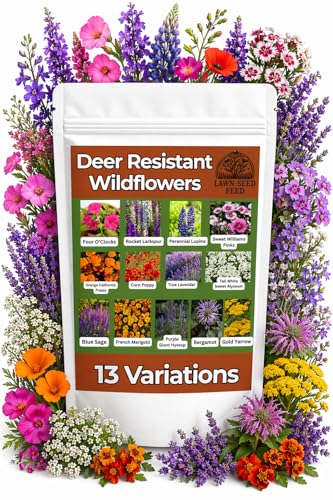
Resealable Pouch for Freshness: Wildflower seeds stay fresh by protecting them from moisture, which can cause premature germination or mold growth. The pouch shields seeds from exposure to air and light, preventing them from drying out or losing viability over time. By keeping seeds in a sealed environment, the pouch ensures longer shelf life and better germination rates when planted

TRUSTED BY PROFESSIONALS: For over 20 years, I Must Garden has been the preferred brand of professional gardeners for use in public gardens and resorts. Trusted for its reliability, durability, and pleasant mint scent

COMPLETE PROTECTION KIT - Professional-grade 7ft x 100ft deer netting with 3/4" fine mesh that effectively blocks deer, rabbits, birds, and small pests. Includes 10 metal landscape staples and 50 zip ties for immediate installation - everything you need in one package.
Deer-Resistant Plant Suggestions
- Lavender: Known for its strong scent that deer find unappealing, lavender is a beautiful addition to any garden.
- Rosemary: This fragrant herb not only adds flavor to your cooking but also acts as a natural deterrent for deer.
- Marigolds: These colorful flowers are not only visually appealing but also emit a scent that repels deer.
- Daffodils: With their bright blooms, daffodils can help keep deer at bay due to their toxic properties.
- Ferns: Deer tend to avoid ferns due to their texture and bitter taste, making them a great option for deterring these animals.
Benefits of Plant Diversification
Plant diversification in your garden serves multiple purposes beyond just protecting your tomato plants from deer:
- Natural Pest Control: Different plant species attract beneficial insects that can help control pests without the need for harmful chemicals.
- Enhanced Soil Health: Various plants contribute different nutrients and organic matter to the soil, promoting overall soil health.
- Aesthetic Appeal: Mixing different plant types adds visual interest and diversity to your garden landscape.
- Biodiversity Support: Diverse plantings attract a range of wildlife, creating a balanced ecosystem within your garden space.
By incorporating these alternative plants and diversifying your garden, you not only protect your beloved tomato plants but also create a thriving environment that benefits both flora and fauna in your backyard sanctuary.
Conclusion
Now that you know how deer can be attracted to your tomato plants and the impact they can have, it’s essential to take proactive measures to protect your garden. By implementing strategies like tall fences, natural repellents, and planting alternative deer-resistant flora, you can safeguard your tomatoes while promoting a diverse and thriving garden ecosystem. Remember, a variety of plants not only enhances the beauty of your garden but also supports biodiversity and contributes to a healthier environment for all its inhabitants. So, get creative with your defenses and plant choices to keep those pesky deer at bay and enjoy a flourishing garden full of life!
Frequently Asked Questions
Q: Why are deer attracted to tomato plants?
A: Deer are attracted to tomato plants due to the diverse and palatable nature of the plants, influenced by factors like seasonality and taste preferences.
Q: What damages can deer cause to tomato plants?
A: Deer can cause physical damages and stress on tomato plants by feeding on them, leading to significant losses in yield and plant health.
Q: How can I protect my tomato plants from deer?
A: To protect tomato plants from deer, you can install tall fences, use natural repellents like garlic or predator urine, plant strong-smelling herbs, and employ motion-activated sprinklers as deterrents.
Q: What alternative plants can distract deer from tomatoes?
A: Plants like lavender, rosemary, marigolds, daffodils, and ferns can serve as distractions for deer away from tomato plants while providing additional benefits in gardens.
