

Have you ever wondered if deer munch on your garden’s romaine lettuce? If you’re a gardener or just curious about wildlife, this question might be on your mind. With deer often roaming around suburban areas, knowing what they eat can help you protect your plants.
Imagine stepping outside to find your fresh lettuce nibbled down to the stalks. It’s frustrating, isn’t it? This article will help you understand whether deer are likely to feast on your romaine and offer tips to keep your garden safe. By the end, you’ll know how to enjoy your greens without the worry of deer getting to them first.
Key Takeaways
- Deer are primarily herbivores and have flexible diets that include grasses, fruits, and vegetables, but romaine lettuce is not their first choice.
- Seasonal availability and competing food sources influence whether deer consume romaine; they are more likely to nibble on it when other options are limited.
- Feeding romaine lettuce to deer can lead to nutritional imbalances and health risks, such as digestive issues and exposure to harmful pesticides.
- Consider providing safer vegetable alternatives like carrots, beets, and cabbage, which better meet deer’s dietary needs.
- For effective deer management, cultivate natural forages like clover and alfalfa in your garden, ensuring a diverse diet while deterring deer from your romaine lettuce.
Understanding Deer Diets
Deer are herbivores that primarily eat a variety of plants, including leaves, fruits, and vegetables. Understanding their diets helps you guard your garden more effectively against deer damage.
Common Food Sources
Deer commonly eat the following food sources:
- Grasses: Deer often graze on various types of grasses in meadows or lawns.
- Leaves: They consume tender leaves from shrubs and trees.
- Fruits: Deer enjoy apples, berries, and acorns, especially in the fall.
- Vegetables: They may nibble on garden staples like carrots, beans, and, occasionally, romaine lettuce.
These food sources vary by season, as deer adapt their diets based on availability.
Nutritional Preferences
Deer’s nutritional preferences impact what they eat throughout the year. Key points include:
- High-Fiber Plants: Deer prefer high-fiber foods like clover and alfalfa during spring and summer.
- Nutritious Foliage: In the fall, they seek out nutrient-rich foliage to prepare for winter.
- Salt and Minerals: Deer often look for salt licks and mineral blocks, especially during spring.
By knowing these preferences, you can decide how to protect your specific plants, like romaine lettuce, more effectively.
Do Deer Eat Romaine Lettuce?
Deer sometimes eat romaine lettuce, but it’s not their preferred food. Understanding their feeding habits can help you better protect your garden.
Initial Observations
Deer generally show interest in romaine lettuce if other food sources are scarce. You might notice them nibbling on the edges of the leaves or uprooting entire plants. Observing their browsing patterns can provide insights into their diet preferences in your area. If you see fresh chew marks on your lettuce, it’s a clear sign of deer activity.
Factors Influencing Consumption
Several factors affect whether deer choose to eat romaine lettuce:
- Seasonal Availability: In spring and summer, deer prefer fresh foliage and high-fiber plants. They may opt for romaine when it’s in your garden and other plants are limited.
- Nutritional Needs: Deer seek nutrient-rich food, especially in late summer and fall, when they prepare for winter. If your romaine offers the right nutrients, deer might take a bite.
- Competing Food Sources: Diverse options in their habitat may deter deer from romaine. If there’s an abundance of grasses or native plants, they may ignore your lettuce.
- Garden Placement: If your garden is close to wooded areas or natural deer pathways, the chances of deer consuming your romaine increase.
By understanding these factors, you can make informed decisions about your gardening strategies and how to protect your crops effectively.
Potential Risks of Feeding Romaine Lettuce to Deer
Feeding romaine lettuce to deer poses several risks that you should consider. While they may nibble on it when other food sources are scarce, offering it regularly can lead to several issues.
Recommended Products
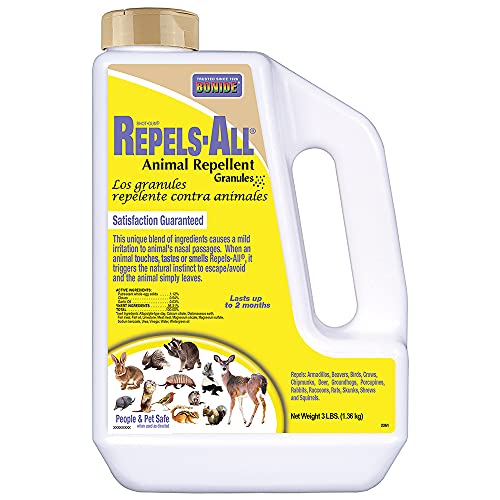
STRONG REPELLER - This unique blend of ingredients causes mild irritation to animal's nasal passages. When an animal touches, tastes, or smells Repels-All Animal Repellent, it triggers the natural instinct to escape/avoid and the pest leaves.

Over 100,000 Repeat Customers - For over 20 years Deer Out is the trusted brand for professional gardeners, landscapers and farmers alike. Works Great!

Proven to Repel Deer - The repellent station contains 100% dried blood, a scent that triggers a flight response in deer, causing them to flee the area
Nutritional Imbalance
Romaine lettuce lacks essential nutrients that deer require for their overall health. Feeding them too much lettuce can create a nutritional imbalance. Deer thrive on a varied diet that includes high-fiber plants and nutrient-dense foliage. Relying on lettuce could lead to deficiencies in vitamins and minerals, impacting their growth and reproduction.
Health Risks
Health risks accompany the consumption of romaine lettuce for deer. Eating large quantities can cause digestive problems, such as bloating and diarrhea. These issues can become severe if deer migrate from their natural diet to a lettuce-heavy one. Additionally, if the lettuce has been treated with pesticides or fertilizers, ingesting those chemicals can harm deer, leading to poisoning or long-term health complications.
Maintaining a diverse diet for deer helps ensure they receive the right nutrients while avoiding the pitfalls of feeding them certain plants, like romaine lettuce.
Alternatives to Romaine Lettuce for Deer
If you’re looking for safe options to feed deer, a variety of vegetables and forages exists that meet their dietary needs better than romaine lettuce.
Recommended Products

PERENNIAL FOOD PLOT BUILT FOR DEER - A premium perennial blend of clovers, alfalfa, and chicory designed to provide a long-lasting, highly attractive food source for deer and other wildlife. Great for hunters, land managers, and habitat improvement.

NUTRITIOUS & DELICIOUS - Throw & Gro contains a mixture of tetraploid ryegrass, forage clovers, and brassica selected to give your herd a fast-growing food source that's filled with vital protein and minerals; You will receive sweet, fast-growing forage
![HIT LIST SEED®No Till Alfalfa Food Plot Seeds for Deer [Perennial] - Deer Food Plot Seed Throw and Grow - Deer Plot Seed Mix Perennial No Plow - 100% Alfalfa - Spring, Summer & Fall Planting - 10 lbs](https://m.media-amazon.com/images/I/51FDqNTX+PL._SL500_.jpg)
Heavy Browse Tolerant: This Alfalfa is a major draw for deer, and withstands heavy browsing with ease
Safe Vegetables
Consider these vegetables that deer can safely consume:
- Carrots: High in fiber and vitamins. Deer enjoy chewing them and find them nutritious.
- Beets: Both the leaves and roots are palatable for deer, offering essential nutrients.
- Squash: Pumpkins and other squash provide a good energy source for deer.
- Cabbage: While not their first choice, deer will eat cabbage in moderation, especially in winter.
Always wash all vegetables to remove any pesticides or chemicals.
Recommended Forage
Deer thrive on natural forage, which is vital for their health. Here are some recommended options:
- Clovers: These legumes are rich in protein and a favorite among deer.
- Alfalfa: Offers high nutritional value and attracts deer due to its appealing taste.
- Grasses: Varieties like fescue and bluegrass give deer a vital fiber source throughout the year.
- Wildflowers: Species like goldenrods and black-eyed Susans provide both food and cover.
Planting a mix of these alternatives can diversify your garden, ensuring your deer friends get ample nutrition while keeping them from nibbling on romaine lettuce.
Conclusion
Deer might nibble on romaine lettuce from time to time but it’s not their go-to choice. Understanding their feeding habits can help you protect your garden while providing them with healthier options. By planting a variety of nutrient-rich alternatives and natural forage, you can create a more inviting environment for deer while keeping your greens safe.
Remember that a diverse diet is essential for their health. With a little planning you can enjoy your garden without worrying about deer munching on your romaine. Happy gardening and wildlife watching!
Frequently Asked Questions
Do deer eat romaine lettuce?
Yes, deer do occasionally eat romaine lettuce, but it is not their preferred food. They may nibble on it when other food sources are scarce, but they primarily consume a variety of plants, grasses, and fruits.
What attracts deer to my garden?
Deer are attracted to gardens that contain high-fiber plants or nutrient-rich foliage. Their feeding habits vary with the seasons, so factors like proximity to wooded areas and available food sources influence their interest.
Can feeding deer romaine lettuce be harmful?
Yes, regularly feeding deer romaine lettuce can lead to nutritional imbalances since it lacks essential nutrients. Overreliance on lettuce can cause deficiencies and health issues like digestive problems, bloating, and diarrhea.
What vegetables are safer for deer to eat?
Safer vegetables for deer include carrots, beets, squash, and cabbage. These offer better nutritional value compared to romaine lettuce and contribute to their overall health.
How can I protect my garden from deer?
To protect your garden from deer, consider using fencing, planting deer-resistant plants, or employing deterrents like noise devices and scents. Maintaining a diverse garden with alternatives can also keep deer at bay.
