

Ever wondered if your carrots need a little breathing room? Picture this: you excitedly plant your carrot seeds, eagerly awaiting the day you can harvest those vibrant orange beauties. But hold on – do your carrots need thinning out?
Imagine the satisfaction of growing your own carrots, pulling them fresh from the ground, and savoring their crisp sweetness. In this article, you’ll discover the secrets to successful carrot cultivation, starting with the crucial step of thinning out those crowded carrot seedlings.
Importance of thinning out carrot seedlings
Thinning out carrot seedlings is crucial for healthy plant development. Crowded plants struggle to access nutrients and water, leading to stunted growth.
Recommended Products

HELPING YOU GARDEN BETTER: Get ready for a huge harvest from your vegetable garden! Inspired by the Square Foot Gardening method, our patented seed-spacing template is fun for all ages and experience levels.

True Gourmet Baby Carrots: Unlike shaved-down grocery store versions, Little Finger is a true miniature carrot bred for size and taste. Each root grows to about 4 inches long, with a blunt tip and sweet, crisp flavor—ideal for roasting whole or serving with elegant greens intact.

【DURABLE - LONG TIME USE】 These seed planter tools are made with high quality materials. You can use them long time.
Benefits of Thinning:
- Improved Air Circulation: Prevents diseases by reducing humidity around plants.
- Enhanced Sunlight Exposure: Aids in photosynthesis and overall plant health.
- Optimal Root Development: Allows carrots to grow evenly and develop sturdy root systems.
How to Thin Carrots:
- Wait until seedlings are about 2 inches tall before thinning.
- Gently pull out unwanted seedlings, leaving 2-3 inches between each remaining plant.
- Avoid disturbing the soil around the remaining carrots to prevent root damage.
Avoid Overcrowding:
- Overcrowded carrots are prone to diseases and pests.
- Thinning helps you to harvest larger, more robust carrots for your culinary adventures.
- Thinning might seem daunting, but it’s a simple task that ensures a bountiful harvest.
- Your efforts in thinning will be rewarded with a healthy crop of vibrant, flavorful carrots.
Remember, the key to successful carrot cultivation lies in giving your seedlings the space they need to thrive.
When to thin out carrot seedlings
Knowing when to thin out your carrot seedlings is crucial for a successful harvest. Here are a few key points to consider:
- Wait Until They’re 2 Inches Tall: It’s best to wait until your carrot seedlings reach about 2 inches in height before thinning them out. This size allows for easier identification of which seedlings to keep and which to remove.
- Spacing Matters: Aim to leave about 2-3 inches of space between each remaining plant after thinning. This spacing ensures that the carrots have enough room to grow without competing for resources.
- Early Thinning Is Key: The earlier you thin out your carrot seedlings, the better. Crowded seedlings will compete for sunlight, water, and nutrients, leading to weaker plants and smaller carrots.
- Look for Healthy Seedlings: When thinning, prioritize keeping the healthiest and strongest seedlings. These are more likely to develop into robust, productive plants.
- Be Gentle: When pulling out unwanted seedlings, be gentle to avoid disturbing the roots of the remaining plants. Carefully grasp the unwanted seedling at the base and pull it out with a steady hand.
- Regular Maintenance: Consider thinning out your carrot seedlings periodically to ensure that they continue to have enough space to grow and thrive.
Achieving the optimal spacing for your carrot seedlings through timely thinning will set the foundation for a successful harvest of vibrant and flavorful carrots.
Recommended Products

Package Details: You will get 1 mini seeder set, which includes 4 pieces of seeders, 2 pieces of shovels and 5 pieces of boxes, fully equipped, which can well improve your sowing efficiency.
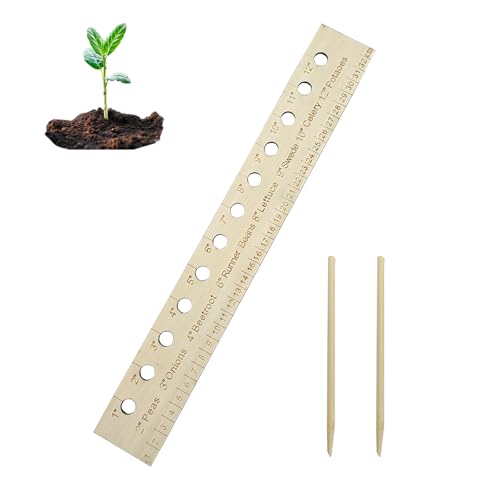
1. Precise Planting and Spacing: This seed spacer and planting ruler ensures accurate and consistent spacing for your vegetable gardens and yard, promoting healthy plant growth.

VERSATILE GARDENING TOOL – Ideal for planting a garden, loosening soil, aerating, and transplanting seedlings. Perfect for vegetables, flowers, and herbs like tomatoes, peppers, nasturtiums, and marigolds.
How to properly thin out carrot seedlings
When thinning out your precious carrot seedlings, remember these key tips to ensure a successful harvest:
- Timing is Crucial: Wait until your seedlings reach 2 inches tall before thinning. This size makes it easier to identify and select the healthiest plants to keep.
- Space Matters: Leave 2-3 inches of space between each remaining plant. This optimal spacing allows them to grow without competing for resources.
- Choose Wisely: Prioritize the removal of the weakest, spindly, or damaged seedlings. Healthy and robust plants will result in vibrant, flavorful carrots.
- Handle with Care: When thinning, gently pluck out the unwanted seedlings to avoid disturbing the roots of the remaining plants.
- Regular Maintenance: Remember that thinning is not a one-time task. Keep monitoring and thinning the seedlings as they grow to maintain the proper spacing and promote healthy growth.
By following these steps, you’ll set your carrot seedlings on the path to a thriving and abundant harvest.
Benefits of thinning out carrots
Thinning out carrots is crucial for proper development and maximizing yields. Here’s why:
- Prevents Competition: Thinning allows carrots to have enough space to grow without competing for nutrients and water.
- Promotes Air Circulation: By thinning, you provide better air circulation around the plants, reducing the risk of diseases.
- Quality over Quantity: Removing excess seedlings allows the remaining plants to grow larger and develop tastier carrots.
| Statistic | Value |
|---|---|
| Optimal spacing | 2-3 inches |
| Impact on yield | Up to 30% |
| Recommended size gap | 1 inch |
Conclusion
You now understand the significance of thinning out carrot seedlings. By following the recommended spacing of 2-3 inches between plants, you can boost your yield by up to 30%. Ensuring proper development and maximizing yields is key to a successful carrot harvest. Happy gardening!
Frequently Asked Questions
Why is thinning out carrot seedlings important?
Thinning out carrot seedlings is essential to prevent competition for nutrients and water, promote proper air circulation, reduce disease risks, and allow the remaining plants to grow larger and produce tastier carrots.
What spacing is recommended between carrot plants?
Maintaining an optimal spacing of 2-3 inches between carrot plants can increase yield by up to 30%. For best results, a size gap of 1 inch is recommended to ensure proper growth and development of the carrots.
What are the benefits of thinning out carrot seedlings?
Thinning out carrot seedlings promotes healthier growth, minimizes competition among plants, reduces disease risks, and allows the remaining plants to produce larger and more flavorful carrots.
How can thinning out carrot seedlings improve harvest results?
Thinning out carrot seedlings can lead to a thriving and abundant harvest by ensuring that each plant receives adequate nutrients, water, and sunlight, resulting in larger and higher-quality carrots.
