

Ever wondered why your carrot harvests don’t quite meet your expectations? Are you struggling to grow those vibrant, healthy carrots you’ve always dreamed of? Picture this: you’ve put in the effort, but the results are lackluster. Fertilizer might just be the missing piece of the puzzle. In this article, we’ll explore the crucial question: Do carrots really need fertilizer to thrive?
Imagine a garden where your carrots flourish, boasting rich colors and robust flavors. By understanding the role of fertilizer, you can unlock the secrets to a bountiful carrot harvest. This article is your guide to transforming your carrot patch into a vibrant, productive oasis. Get ready to dive into the world of carrot cultivation and discover how fertilizer can make all the difference in your gardening success.
The Importance of Fertilizer for Carrots
Fertilizer plays a crucial role in maximizing carrot growth and ensuring a bountiful harvest.
Here’s why it matters:
- Nutrient Boost: Carrots require key nutrients like nitrogen, phosphorus, and potassium to develop properly.
- Soil Enrichment: Fertilizers enhance soil quality, providing a healthy environment for carrots to thrive.
- Root Development: Proper fertilization encourages strong root growth, leading to healthier and more robust carrots.
Recommended Products

High Phosphorus & Potassium Fertilizer – Designed to deliver elevated phosphorus and potassium for targeted plant support.
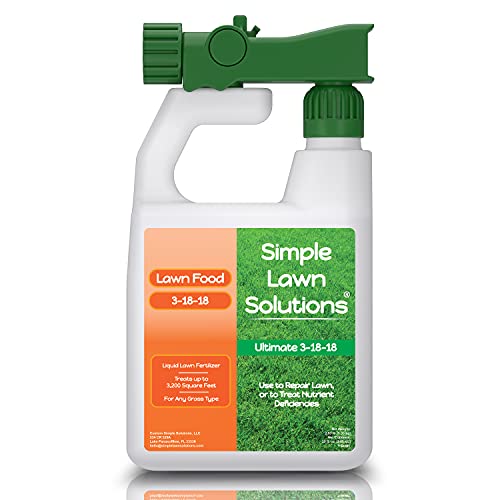
High Phosphorus, High Potassium Lawn Food: If your lawn is showing symptoms of a Phosphorus and Potassium deficiency or if you want to maintain lawn health then this is the correct fertilizer for you!

High Phosphorus & Potassium Fertilizer – Designed to deliver elevated phosphorus and potassium for targeted plant support.
Understanding the Nutritional Needs of Carrots
Carrots, much like us, require a balanced diet to thrive. Understanding their nutritional needs is crucial for cultivating a bountiful harvest:
- Nitrogen: Essential for leafy growth and vibrant foliage.
- Phosphorus: Promotes strong root development and overall plant vigor.
- Potassium: Aids in disease resistance and regulates water levels.
By providing these key nutrients, you’re ensuring your carrots have everything they need to reach their full potential.
Different Types of Fertilizers for Carrots
When it comes to fertilizing your carrots, there are several options to choose from. Here are some common types of fertilizers you can consider for your carrot plants:
- Organic Fertilizers:
- Made from natural sources like compost, manure, or bone meal.
- Slow-release nutrients that are beneficial for long-term growth.
- Environmentally-friendly choice for organic gardening.
- Inorganic Fertilizers:
- Chemically manufactured fertilizers with specific nutrient ratios.
- Provide quick nutrients to plants.
- Ensure to follow instructions carefully to avoid over-fertilization.
- Liquid Fertilizers:
- Quick-absorbing fertilizers that are easily applied through watering.
- Ideal for providing a boost of nutrients during the growing season.
- Granular Fertilizers:
- Dry fertilizers that are spread on the soil surface and then watered.
- Slow-release nutrients for steady growth over time.
Remember to choose a fertilizer that meets the nutritional needs of your carrots and follow the instructions for proper application.
Recommended Products

🌿 Balanced 10-10-10 Granular Fertilizer for Outdoor & Indoor Plants: All-purpose plant food with 10% Nitrogen, 10% Phosphorus, and 10% Potassium. Perfect for outdoor vegetable gardens, fruit trees, evergreens, shrubs, lawns, and flowers. Also great for potted plants and indoor gardening. One solution for all your plant needs!
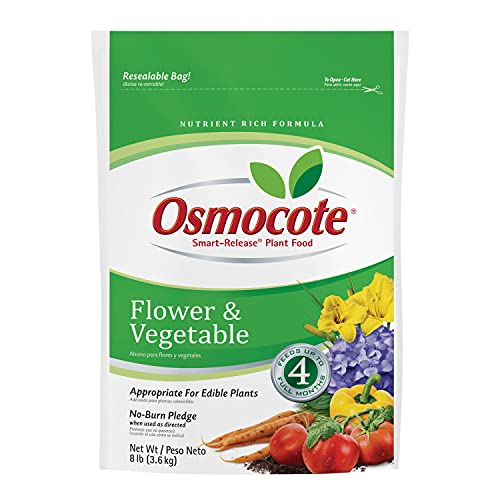
OSMOCOTE’S HIGHEST TOTAL NUTRIENT FORMULA: 14-14-14 NPK - favored for seasonal vegetables and perennials; use this plant food outdoors to promote strong roots as well as vigorous and bountiful above-ground growth.
![Organic Plant Magic - Truly Organic™ Slow Release Granular Fertilizer : Long-Lasting Plant Food Granules - Indoor & Outdoor Flowers, Vegetable Gardens, Fruit Trees, Shrubs, House Plants [One 4 lb Bag]](https://m.media-amazon.com/images/I/51HyQUTD-WL._SL500_.jpg)
New Spreadable Fertilizer Granules - Amazing Benefits that Plants & Customers LOVE!
Best Practices for Fertilizing Carrots
When it comes to fertilizing your carrots, following best practices ensures optimal growth and bountiful harvests. Here’s what you need to know to nourish your carrot crop effectively:
- Soil Testing: Begin by testing your soil to determine its nutrient levels. This helps you choose the right fertilizer and avoid over or under-fertilization.
- Nitrogen Balance: Carrots prefer low to moderate nitrogen levels. Excessive nitrogen can lead to lush foliage at the expense of root development.
- Phosphorus Boost: Phosphorus is crucial for root growth, making it essential to choose a fertilizer with a higher middle number in the N-P-K ratio.
- Potassium Support: Carrots benefit from potassium for overall vigor and disease resistance. Look for fertilizers with a balanced N-P-K ratio.
- Application Timing: Fertilize carrots at planting time and side-dress during the growing season to sustain their nutrient supply.
- Consistent Moisture: Maintain even soil moisture to optimize nutrient uptake, especially when using granular or slow-release fertilizers.
Implementing these best practices sets the stage for healthy carrot plants and abundant harvests.
Recommended Products

Down To Earth Langbeinite 0-0-22 is a naturally mined crystalline mineral that supplies the water-soluble sulfate form of three vital plant nutrients: potassium, magnesium and sulfurs

Grow a Rich Garden: Big A Carrot Fertilizer, your ultimate organic vegetable fertilizer, guarantees a flourishing harvest for all your vegetables, with a special emphasis on carrots. Maintaining 100% organic integrity and enriched with essential nutrients, this fertilizer for vegetable gardens is specifically designed for a thriving garden, ensuring both productivity and safety.

HIGH PHOSPHORUS FERTILIZER: Unlike other phosphorus fertilizers, our triple super phosphate has a 0-46-0 ratio of phosphorus for plants, helping plants fight phosphorus deficiency & grow healthier.
Tips for Maximizing Carrot Growth with Fertilizer
Here’s how to ensure optimal carrot growth using fertilizer:
- Choose the Right Fertilizer: Opt for a balanced N-P-K ratio fertilizer to support healthy root development.
- Timing is Key: Start by fertilizing at planting time, then follow up with side-dressing during the growing season for sustained nourishment.
- Consistent Moisture: Maintain even soil moisture to help carrots absorb nutrients effectively.
- Avoid Over-fertilization: Too much fertilizer can harm your carrots, so follow recommended guidelines carefully.
- Monitor Growth: Keep an eye on your carrot plants’ progress to adjust fertilizer amounts accordingly.
Remember, proper fertilization is essential for vibrant, thriving carrots.
Conclusion
Ensure your carrots receive the right N-P-K ratio fertilizer for optimal root growth. Timing is key – fertilize at planting and side-dress during the growing season. Keep soil moisture consistent. Watch out for over-fertilization; it can harm your carrots. Adjust fertilizer amounts based on plant growth for vibrant, healthy carrots. Happy gardening!
Frequently Asked Questions
What is the importance of fertilizer for growing carrots?
Fertilizer is crucial for carrot growth as it provides essential nutrients like nitrogen, phosphorus, and potassium (N-P-K) needed for healthy root development.
When should I fertilize my carrots?
It is recommended to fertilize carrots at the time of planting to provide initial nutrients and then side-dress during the growing season to support continuous growth.
How can I prevent over-fertilization of carrots?
To avoid harming carrots due to over-fertilization, it is important to monitor plant growth and adjust fertilizer amounts as needed to prevent nutrient imbalances.
Why is consistent soil moisture important for carrots?
Maintaining consistent soil moisture is vital for carrots as it ensures proper nutrient uptake and helps in the healthy growth of roots, leading to vibrant and thriving plants.
