

Have you ever wondered if you can regrow romaine lettuce right in your backyard? If you’ve been buying heads of lettuce only to toss the scraps, you’re not alone. Many people face the same dilemma of wanting to reduce waste while enjoying fresh greens.
Imagine snipping off the bottom of a romaine lettuce and watching it sprout new leaves in just a few days. It’s not only a fun project but also a great way to save money and add a touch of greenery to your home. This article will guide you through the simple steps to regrow romaine lettuce in soil, ensuring you enjoy fresh salads without the guilt of waste.
Key Takeaways
- Romaine Lettuce Regrowth: You can easily regrow romaine lettuce by cutting the bottom of the head and planting it in soil, making it a sustainable gardening project.
- Planting Process: Use well-draining soil, bury the lettuce base about an inch deep, water lightly, and place the pot in indirect sunlight for optimal growth.
- Maintenance Tips: Fertilize every 4-6 weeks and harvest outer leaves once they reach 6-8 inches to encourage continued growth from the center.
- Common Issues: Be aware of damping off, pests like aphids, and ensure good drainage to prevent root rot.
- Benefits of Homegrown Greens: Regrowing romaine saves money, provides fresher produce, and enhances meal flavors while promoting healthier eating habits.
Understanding Romaine Lettuce Regrowth
Romaine lettuce can regrow quite easily in soil, making it a fun and sustainable gardening project. You can start this process using the leftover base of a romaine head. Simply follow these steps for successful regrowth:
Steps for Regrowing Romaine Lettuce
- Prepare the Base: Cut about 2-4 inches from the bottom of the romaine lettuce head. Ensure you leave the core intact.
- Plant in Soil: Place the base in a small pot filled with well-draining soil. Bury the bottom no deeper than an inch to allow for new growth.
- Water: Water the soil thoroughly after planting. Keep the soil moist but avoid overwatering, which can cause root rot.
- Provide Light: Position the pot in a location where it receives plenty of indirect sunlight. A windowsill works well.
- Watch for Growth: In about 1-2 weeks, you’ll notice new leaves sprouting from the center. Maintain moisture and light conditions during this time.
Maintenance Tips
- Fertilize Occasionally: Apply a balanced fertilizer every 4-6 weeks to promote healthy growth.
- Harvest Carefully: When the leaves grow about 6-8 inches tall, you can start harvesting. Cut outer leaves, allowing inner leaves to continue growing.
Common Issues
- Damping Off: This fungal disease can occur in overly wet conditions. To prevent it, ensure good drainage and avoid excessive watering.
- Pests: Look out for aphids or snails. Use neem oil or insecticidal soap to manage any infestations.
Additional Considerations
Regrowing romaine in soil offers a convenient way to enjoy fresh greens. Enjoy the process and experiment with different pots and soils. You might also consider regrowing other types of lettuce or leafy greens for variety.
Benefits of Regrowing Romaine Lettuce
Regrowing romaine lettuce offers several advantages for gardeners. You can enjoy fresh produce and save money while experiencing the joy of gardening right at home.
Cost Savings
Regrowing romaine lettuce significantly reduces grocery expenses. You can cultivate multiple heads from kitchen scraps, cutting down on your vegetable budget. For example, a single store-bought lettuce can yield several harvests, offering exceptional value. Additionally, growing your own lettuce negates transportation and packaging costs, further enhancing the savings. This makes it a practical option for budget-conscious gardeners.
Freshness and Flavor
Regrowing romaine lettuce ensures access to the freshest greens. Picking lettuce directly from your garden means it hasn’t spent days in storage or transportation. Freshly harvested lettuce often has superior taste compared to store-bought varieties. You can enjoy the crisp texture and vibrant flavors, enhancing salads and meals. The ability to harvest lettuce as needed encourages you to utilize it in a variety of dishes, promoting healthy eating habits.
How to Regrow Romaine Lettuce in Soil
Regrowing romaine lettuce in soil is simple and rewarding. Follow these steps for a successful planting experience.
Recommended Products

Complete Lettuce Garden Starter Kit Indoor – 5 heirloom salad and green seed packets, 8 biodegradable soil disks, 8 plant markers, and 8 starter pots. Romaine, Spinach, Arugula, Kale and Buttercrunch lettuce heirloom seeds are the star of the set!

Grow fresh and vitamin rich Romaine Lettuce at home with zero effort. No green thumb required!

High Germination Rate: Enjoy a plentiful harvest with our Romaine Lettuce seed pod featuring excellent germination. Fresh, reliable seeds sourced from USA ensure quick sprouting and healthy growth.
Selecting the Right Soil
Choose nutrient-rich soil for optimal growth. Look for a mix that includes compost or well-rotted manure. This type of soil provides essential nutrients. A pH level of around 6.0 to 7.0 is ideal. Check the label on commercial potting mixes for organic options. Ensure the soil drains well to prevent moisture buildup.
Preparing the Lettuce Base
Start with a healthy romaine lettuce base. Cut the base from a fresh romaine head, leaving about 2-3 inches. Rinse the lettuce base under cool water to remove any dirt. Place it in a shallow dish with just enough water to cover the bottom. Allow it to sit in a sunny spot for several days until you see roots developing.
Planting Processes
Plant your lettuce base once the roots are a few inches long. Follow these steps:
- Fill a pot with the selected soil.
- Make a small hole in the center, about 1-2 inches deep.
- Place the lettuce base in the hole and gently cover it with soil.
- Water lightly to moisten the soil, ensuring not to over-saturate.
- Position the pot in a location with direct sunlight, ideally 6-8 hours a day.
Care Tips for Healthy Growth
To ensure your romaine lettuce thrives in soil, pay attention to its specific care needs. Follow these tips for optimal growth.
Recommended Products
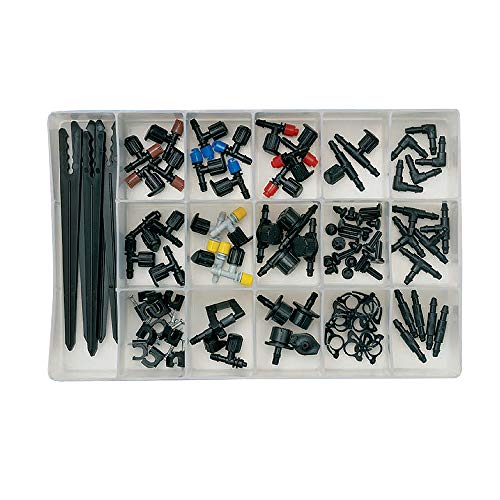
For optimizing plant health by applying water directly at the plant roots

Convenient and portable storage kit contains 102 professional grade universal Drip irrigation parts
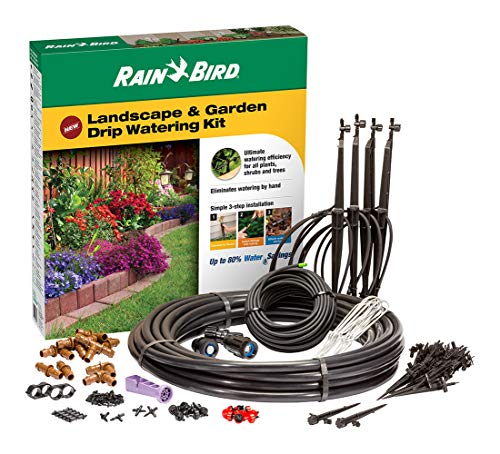
Comprehensive 108-piece kit for flower beds, gardens and landscaped areas; eliminates hand watering, saves time and money
Watering Requirements
Water your romaine lettuce consistently. Aim for about 1 to 1.5 inches of water per week, adjusting based on weather conditions. Check the top inch of soil; if it feels dry, it’s time to water. Avoid overwatering, as soggy soil can lead to root rot. Consider using a soaker hose or drip irrigation to provide a steady supply of moisture without saturating the leaves.
Sunlight Needs
Provide your romaine lettuce with plenty of sunlight. Ideally, place it in an area that receives 6 to 8 hours of direct sunlight daily. If your space receives less light, consider using grow lights to supplement. Rotate your pots every few days to ensure even sun exposure on all sides. This approach promotes uniform growth and vibrant leaves.
Common Challenges and Solutions
Recommended Products

Premium quality salad garden seeds package containing 20 Mini-Romaine Trio Lettuce seeds, producing crisp baby romaine heads in green, red, and speckled hues for colorful, sweet, crunchy salads.

【Hydroponic Growing Kit】:Revolutionize your indoor gardening with TIRUSS hydroponics System, a hydroponics growing system featuring LED grow lights for year-round cultivation of vegetables and herbs without soil.

Heirloom Non-GMO Seeds: The seeds in garden starter kit contains approximately 600 easy grow salad greens gardening seeds, including Red&Green Leaf Lettuce, Romaine, Butter Head, Black Seeded Simpson, Red Sail and Marvel of 4 Seasons. Growing your own vegetables for eating has never been this easy!
Root Rot
Root rot occurs when the roots sit in waterlogged soil. To combat this, ensure the pot has drainage holes. Use well-draining soil and water only when the top inch feels dry.
Pests
Pests like aphids can harm your romaine lettuce. Inspect your plants regularly for signs of infestation. If you spot pests, wash them off with a strong spray of water or apply insecticidal soap.
Insufficient Sunlight
Insufficient sunlight can stunt growth. Position your pots to receive 6 to 8 hours of direct sun daily. If natural light isn’t available, consider using grow lights to supplement.
Nutrient Deficiency
Nutrient deficiency can lead to yellowing leaves or slow growth. Use a balanced, water-soluble fertilizer every 4 to 6 weeks. Mix according to package directions to avoid over-fertilization.
Uneven Growth
Uneven growth can result from uneven sunlight exposure. Rotate your pots weekly to ensure all sides receive adequate light. This practice promotes balanced growth and vibrant leaves.
Temperature Fluctuations
Extreme temperatures can stress your plants. Keep your romaine lettuce in a stable environment, ideally between 60°F to 70°F. Move pots indoors during extreme weather to protect them.
Conclusion
Regrowing romaine lettuce in soil is a rewarding and sustainable endeavor. With just a little care and attention you can enjoy fresh greens right from your backyard. Remember to keep an eye on the soil quality and provide the right conditions for growth.
Don’t hesitate to experiment and learn as you go. Each harvest brings new opportunities to improve your gardening skills. So grab some lettuce scraps and get started on your journey to homegrown produce. You’ll love the taste and satisfaction that comes with it. Happy gardening!
Frequently Asked Questions
How do I start regrowing romaine lettuce in my backyard?
To regrow romaine lettuce, begin by selecting nutrient-rich, well-draining soil. Prepare a spot with adequate sunlight—at least 6 hours a day. You can use kitchen scraps from leftover lettuce or seeds, planting them about an inch deep in the soil.
What soil type is best for growing romaine lettuce?
The best soil for growing romaine lettuce is nutrient-rich and well-draining. A loamy soil mix is ideal, as it retains moisture without becoming waterlogged, reducing the risk of root rot and promoting healthy growth.
How often should I water my romaine lettuce?
Water your romaine lettuce consistently, aiming for about 1 to 1.5 inches of water per week. Ensure the top inch of soil is dry before watering again. Overwatering can lead to root rot, while under-watering can cause wilting.
What are common pests that affect romaine lettuce?
Common pests include aphids, slugs, and caterpillars. Regularly inspect your plants for signs of infestation. You can use insecticidal soap or introduce beneficial insects like ladybugs to help control pest populations.
How can I ensure my romaine lettuce gets enough sunlight?
To ensure your romaine lettuce receives enough sunlight, choose a planting location that gets at least 6 hours of direct sunlight each day. If growing indoors, place pots near south-facing windows or use grow lights.
What should I do if my romaine lettuce shows uneven growth?
If you notice uneven growth in your romaine lettuce, check for factors like inconsistent watering or insufficient light. Rotate your pots for even exposure and ensure each plant receives adequate nutrients and sunlight.
How can I prevent nutrient deficiencies in my romaine lettuce?
To prevent nutrient deficiencies, use balanced fertilizer when planting and continue to fertilize every few weeks. Testing your soil can help you determine its nutrient levels, allowing you to address any deficiencies promptly.
What temperature is ideal for growing romaine lettuce?
The ideal temperature for growing romaine lettuce is between 60°F and 70°F (15°C to 21°C). Avoid exposing the plants to extreme temperature fluctuations, which can stress them and impact growth.
Why is regrowing romaine lettuce beneficial?
Regrowing romaine lettuce is beneficial because it saves money, provides fresh produce, and reduces kitchen waste. By regrowing, you have access to healthy greens while contributing to a more sustainable lifestyle.
