

Have you ever bought a head of lettuce only to find yourself tossing the leftovers? What if you could turn those scraps into fresh greens right in your kitchen? Regrowing lettuce in water is not only simple but also a fun way to reduce waste and enjoy fresh produce at home.
Key Takeaways
- Regrowing Lettuce is Possible: You can successfully regrow lettuce, specifically romaine and green leaf varieties, in water using simple steps.
- Steps for Success: Cut the base of the lettuce, place it in a shallow dish filled with water, and set it in a sunny but indirect light location. Change the water every few days for optimal growth.
- Growth Timeline: Expect new leaves to appear within a week, with significant growth allowing for harvesting in 2-3 weeks.
- Environmental and Economic Benefits: Regrowing lettuce reduces food waste and offers cost savings by extending the lifespan of your produce.
- Common Challenges: Be aware of issues like slow growth, wilting leaves, and bacterial growth, and tackle them by ensuring proper light exposure, regular water changes, and maintaining temperature.
- Nutritional Support: After about a week, consider adding liquid fertilizer to the water to enhance growth and support healthy lettuce development.
Can You Regrow Lettuce In Water?
Yes, you can regrow lettuce in water. This method is simple and can turn your kitchen scraps into fresh greens. Follow these steps for success:
Recommended Products
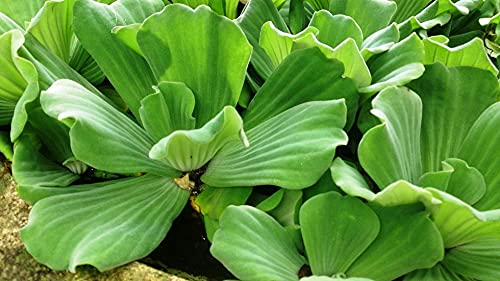
DO NOT ORDER IF YOUR TEMPS EXCEED 90 DEGREES

You will be receiving 5 plants bare-root small to medium in size

Step-by-Step Process
- Choose Lettuce: Use romaine or green leaf lettuce. These varieties regrow well.
- Cut the Base: Cut about 1-2 inches from the base of the lettuce. Ensure you leave enough stem for regrowth.
- Prepare Water: Fill a shallow dish or bowl with water. The water level should cover the stem without submerging the leaves.
- Place in Water: Position the cut base in the water. Keep it in a sunny spot, like a windowsill.
- Change Water: Change the water every few days. Fresh water promotes healthy regrowth.
Expected Growth
Growth Timeline: Within a week, new leaves will emerge. You can expect to see initial green shoots in 5-10 days. Once you notice significant growth, typically in 2-3 weeks, you can start harvesting.
Tips for Best Results
- Use Clean Water: Tap water is usually fine. If available, filtered or distilled water can offer even better results.
- Avoid Direct Sunlight: While some sunlight is beneficial, too much direct sun may harm the leaves. Aim for bright, indirect light instead.
- Consider Nutrients: After about a week, you can add a drop of liquid fertilizer to the water. This supports healthy growth.
- Slow Growth: If growth stalls, check the water level. Ensure the cut stem is submerged, and consider moving it to a sunnier spot.
- Wilting Leaves: If leaves wilt, reduce exposure to direct sun, and ensure the water is changed regularly.
Regrowing lettuce in water is a fantastic way to reduce waste and enjoy fresh greens right at home. It’s straightforward, requires minimal supplies, and adds to your kitchen’s greenery.
Benefits Of Regrowing Lettuce In Water
Regrowing lettuce in water offers multiple advantages. You can enjoy fresh produce while making a positive impact on your wallet and the environment.
Recommended Products

【All-in-One Sprouting Kit】Most sprout growing kit sell dual packs; our single kit delivers better value for affordable home sprouting fun. Contents: 950ml Mason jar, mesh sprouting lid, angle-adjustable stand, blackout sleeve.

Complete Lettuce Garden Starter Kit Indoor – 5 heirloom salad and green seed packets, 8 biodegradable soil disks, 8 plant markers, and 8 starter pots. Romaine, Spinach, Arugula, Kale and Buttercrunch lettuce heirloom seeds are the star of the set!

HEALTHY SPROUTING AT HOME - Our sprouting kits make it easy to grow a variety of nutritious sprouts at home. Healthy and delicious ingredients for your sandwiches, salads, and soups! Growing sprouts is not only a fun process, but it's also a cheap way to get fresh sprouts!
Environmental Impact
Regrowing lettuce helps reduce food waste. It’s common to buy a head of lettuce only to throw away unused portions. By regrowing even the scraps, you minimize waste that would otherwise end up in landfills. Additionally, using water to grow lettuce requires fewer resources than traditional gardening. You contribute to less water usage and reduced carbon footprints associated with transporting produce from farms to stores.
Economic Savings
Regrowing lettuce is cost-effective. Instead of purchasing multiple heads of lettuce, you can use the remnants from your last purchase. This approach can save you money over time. For example, you can regrow lettuce several times from a single base, extending its lifespan and maximizing value. With minimal investment in water and a few containers, you enjoy fresh greens continuously, making regrowing an economical choice for your kitchen.
How To Regrow Lettuce In Water
Regrowing lettuce in water is straightforward and rewarding. Follow these steps for a successful experience.
Step-By-Step Guide
- Select Lettuce: Choose romaine or green leaf lettuce for the best results.
- Cut Lettuce: Trim about 1-2 inches from the base of the lettuce. Make sure it’s a clean cut.
- Prepare Water: Fill a small bowl or glass with clean water. Use filtered or tap water, but avoid chlorinated varieties.
- Place Base in Water: Submerge the cut base in water, ensuring the cut side is fully covered.
- Position in Sunlight: Set the bowl in a sunny area but not in direct sunlight to prevent overheating.
- Change Water Regularly: Replace the water every few days to keep it fresh and free from bacteria.
- Observe Growth: Watch for new leaves emerging, which should happen within a week.
- Use Clean Containers: Ensure your bowl or glass is clean to promote healthy growth.
- Keep an Eye on Water Level: Monitor the water level and add more if it drops too low.
- Adjust Light Exposure: If leaves appear yellow or wilting, adjust the light exposure to prevent stress.
- Consider Nutrients: After a couple of weeks, adding a small amount of liquid fertilizer can enhance growth.
- Harvest Properly: When leaves are about 4-6 inches long, you can start harvesting. Cut the outer leaves, leaving the inner ones to continue growing.
By following these steps and tips, you can enjoy fresh, homegrown lettuce right from your kitchen.
Challenges To Consider
Growing lettuce in water presents benefits, yet several challenges exist that can affect success. Awareness of these issues helps ensure a thriving regrowth process.
Common Issues
- Slow Growth: Sometimes, lettuce takes longer to sprout new leaves. Environmental factors like low light, temperature, or dirty water may lead to this issue. You might find yourself waiting longer than expected for fresh greens.
- Wilting Leaves: Leaves may wilt or curl, indicating stress. This problem often arises from inadequate light or inconsistent watering conditions. If you notice this, it can be discouraging as you await your harvest.
- Bacterial Growth: Stagnant water can foster bacteria. If water isn’t changed regularly, this situation can hinder growth and create unwanted odors. A lack of fresh water might lead to unattractive conditions for your growing lettuce.
- Enhance Light Exposure: Ensure your lettuce receives bright, indirect light for optimal growth. If natural light is insufficient, consider placing a small grow light nearby for a boost.
- Change Water Regularly: Replace the water every few days. This practice not only keeps the water clean but also refreshes nutrients. Consistency in changing water supports healthier growth.
- Monitor Temperature: Maintain the plants in a stable, warm environment. Temperatures between 60-70°F (15-21°C) work best. If your home environment fluctuates, adjust their location accordingly.
- Prevent Bacterial Growth: Rinse the lettuce base before placing it in water. This step helps minimize potential bacteria and ensures a cleaner start. Also, clean the container regularly to remove any buildup.
By addressing these challenges proactively, you can enjoy a successful regrowth experience with your lettuce in water.
Conclusion
Regrowing lettuce in water is a fun and rewarding way to keep your kitchen stocked with fresh greens. You’ll not only enjoy the satisfaction of nurturing your own plants but also make a positive impact on the environment by reducing food waste.
With just a few simple steps you can turn leftover scraps into a thriving source of delicious lettuce. Remember to keep an eye on your growing greens and adjust care as needed.
So why not give it a try? You might just find that your kitchen becomes a little greener and your meals a lot fresher. Happy growing!
Frequently Asked Questions
Can I regrow any type of lettuce in water?
Yes, you can regrow romaine or green leaf lettuce in water. These varieties do well and will produce new leaves effectively.
How do I start regrowing lettuce in water?
To start, cut 1-2 inches from the base of the lettuce and place it in a container of clean water. Position it in a bright, sunny area, avoiding direct sunlight.
How often should I change the water?
Change the water every 2-3 days to keep it fresh and free from bacteria. This helps promote healthy growth.
How long does it take to see new growth?
You can expect to see new leaves emerging within a week if the conditions are right, such as adequate light and clean water.
What should I do if my lettuce is wilting?
If your lettuce is wilting, check the light exposure and water level. Ensure it’s getting bright, indirect light and that the water is clean and regularly changed.
Can I use fertilizer while regrowing lettuce?
Yes, after a couple of weeks, you can add a small amount of liquid fertilizer to boost growth and nutrient intake.
How do I know when to harvest the lettuce?
Harvest lettuce when the leaves reach about 4-6 inches in length. Snip off the outer leaves while allowing the center to continue growing.
What are the environmental benefits of regrowing lettuce in water?
Regrowing lettuce in water reduces food waste by utilizing kitchen scraps and requires minimal resources, making it an eco-friendly choice.
