

Have you ever wondered if you can regrow your leftover lettuce scraps? It’s a common scenario: you chop up a fresh head of lettuce for a salad, and instead of tossing the remnants, you think, “What if I could grow more?” The good news is that you can!
Key Takeaways
- Regrowth Method: You can successfully regrow lettuce from scraps by using the bottom ends of romaine, iceberg, or leaf lettuce, which contain essential cells for regeneration.
- Planting Tips: Use clean, moist potting soil, bury the lettuce scraps upright, and ensure the tops remain exposed for successful growth.
- Watering and Light: Keep the soil consistently moist without overwatering, and provide 6-8 hours of sunlight or supplemental grow lights to encourage healthy growth.
- Growth Timeline: Expect to see new green leaves within 2-4 weeks, depending on environmental conditions and care.
- Cost and Sustainability: Regrowing lettuce is cost-effective and helps reduce food waste, promoting sustainability while providing fresh produce from kitchen scraps.
- Monitoring and Maintenance: Regularly check for pests, diseases, and environmental factors like temperature and moisture to ensure optimal growth conditions.
Overview of Lettuce Regrowth
Regrowing lettuce from scraps is a straightforward process. You can start with the bottom ends of romaine, iceberg, or leaf lettuce. These scraps contain the necessary cells for regeneration.
Steps for Regrowing Lettuce
- Select Scraps: Choose the bottom of the lettuce heads. Each piece should be about 2 inches tall.
- Prepare Soil: Use a good quality potting soil. Ensure it’s moist but not soggy.
- Plant Scraps: Place the scraps upright in the soil. Bury them so that they’re stable, leaving the top exposed.
- Water Regularly: Keep the soil moist by watering lightly every few days. Avoid overwatering, as it can lead to rot.
- Provide Light: Place your pots in a sunny spot, ideally with 6-8 hours of light each day. If sunlight is limited, consider using grow lights.
Tips for Successful Regrowth
- Monitor Growth: Check for new green leaves within a week or two. This signals that roots are developing.
- Use Clean Containers: Ensure pots or containers are clean to prevent disease.
- Fertilize: Once you notice growth, you can use a diluted liquid fertilizer every couple of weeks to boost development.
- How Long Does It Take? Lettuce typically takes 2-4 weeks to regrow, depending on the conditions.
- Can You Regrow Different Types? Yes, most types of lettuce can regrow, though results may vary.
- Where Should You Plant? You can use pots, planters, or even garden beds, as long as there’s good drainage.
Benefits of Regrowing Lettuce in Soil
Regrowing lettuce in soil offers a range of advantages for your home gardening experience. From affordability to environmental impact, here are the key benefits.
Recommended Products

SPACE-SAVING COUNTERTOP HYDROPONIC GARDEN: Compact hydroponic garden tucks neatly under cabinets or on narrow countertops, turning unused nooks into a productive indoor gardening system for small homes and busy cooks.

We grow a variety of edible seasonal seedlings (aka plugs/starts/transplants) that will flourish in your soil or hydroponic garden.
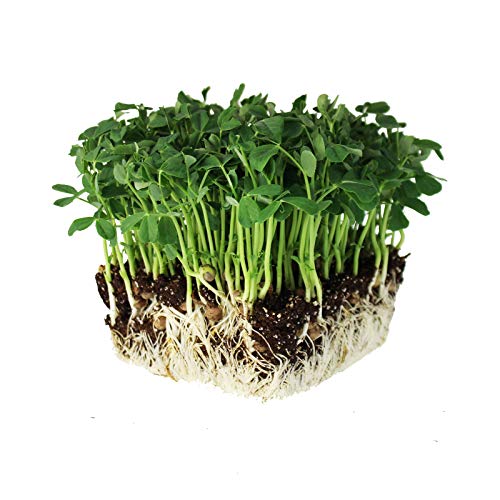
🍃 SPECKLED PEA SPROUTING SEEDS: Pea shoots, also known as pea microgreens, usually have very prominent root systems, which is why it is primarily grown in soil. The roots like to burrow and explore the soil while taking hold so the shoots can start "shooting" up.
Cost-Effectiveness
Regrowing lettuce saves money on grocery bills. A single head of lettuce often costs between $1 to $3. By using kitchen scraps, you reduce waste and maximize value. Each head can produce several new leaves, giving you fresh produce without extra expenses.
Sustainability
Regrowing lettuce contributes positively to the environment. It reduces food waste, which is a significant issue globally. Lettuce scraps make use of resources that would otherwise go to landfills. By choosing to regrow, you promote a cycle of sustainability. Furthermore, growing lettuce at home minimizes the carbon footprint associated with commercial farming and transportation.
Steps to Regrow Lettuce in Soil
Regrowing lettuce in soil is simple and rewarding. Follow these steps to successfully cultivate new plants from your kitchen scraps.
Recommended Products


💪 【Durable & Efficient Deep Water Culture】: This hydroponic growing system utilizes a deep water culture (DWC) method. The recirculating system ensures plant roots are constantly bathed in a nutrient-rich and highly oxygenated solution, promoting faster, healthier growth compared to traditional soil gardening.

MADE FOR LETTUCE GROW FARMSTANDS: Designed specifically for Lettuce Grow Farmstand Grow Cups to help cover empty openings between harvests and new plantings
Choosing the Right Lettuce Varieties
Select popular types like romaine, iceberg, or leaf lettuce for optimal results. Choose fresh, healthy scraps with intact bases, about 2 inches tall. This ensures you have the necessary cells for regrowth. Consider starting with different varieties to enjoy a diverse harvest.
Preparing the Soil
Gather high-quality, moist potting soil. Good drainage promotes healthy growth. Fill a clean container or garden bed with soil, leaving about an inch of space from the top. Lightly pack the soil to create a stable base but don’t compact it too much to allow air circulation.
- Plant the Scraps: Insert the lettuce scraps upright into the soil, ensuring that the tops remain visible. Space them a few inches apart for proper growth.
- Water Regularly: Keep the soil consistently moist but not soggy. Water once every few days or when the top layer feels dry.
- Provide Adequate Light: Place your container in a sunny location. Lettuce requires at least 6-8 hours of bright, indirect sunlight daily.
- Monitor Growth: Check for any signs of wilting or discoloration. Remove any dead leaves promptly to encourage new growth.
- Fertilize When Necessary: Once you see new growth, apply a balanced, water-soluble fertilizer every two weeks. This boosts nutrient availability.
By following these straightforward steps, you can enjoy fresh lettuce leaves in just 2-4 weeks.
Common Challenges and Solutions
Regrowing lettuce can pose several challenges, but understanding these can lead to successful growth.
Recommended Products

3-IN-1 GARDEN SPRAY - Earth’s Ally 3-in-1 Plant Spray is an insecticide, miticide and fungicide. The houseplant pest spray effectively kills and controls soft-bodied insects and common plant diseases with a synergistic blend of essential oils.

NEEM OIL SPRAY FOR PLANTS – A fast-acting, multipurpose neem spray designed for indoor plants, houseplants, and garden use. This ready-to-use plant spray combines cold-pressed neem oil with a balanced botanical blend to solve common plant care issues while supporting healthy, resilient leaves.

USDA Organic Neem Oil - 100% pure, cold pressed neem oil. Ideal for skin and hair care. Non-GMO and vegan.
Pests and Diseases
Pests can harm your lettuce. Common offenders include aphids, whiteflies, and slugs. To prevent infestations, check your lettuce regularly. If you spot pests, wash them off with a gentle stream of water. For serious infestations, consider using insecticidal soap or neem oil, both of which are effective and plant-safe. Always apply treatments in the evening to avoid harming beneficial insects.
Diseases might also affect lettuce. Fungal infections like downy mildew can occur in humid conditions. To combat this, ensure good airflow around plants and avoid overhead watering. Remove any infected leaves immediately to prevent the spread of pathogens. Regularly cleaning garden tools can also minimize the risk of disease.
Environmental Factors
Environmental factors significantly impact lettuce growth. Lettuce thrives in temperatures between 60°F and 70°F. If temperatures rise above 80°F, plants may bolt, leading to bitter-tasting leaves. If you live in a warmer climate, consider using shade cloth to protect your lettuce during the hottest part of the day.
Light plays a crucial role in the growth of lettuce. Aim for at least 6-8 hours of bright, indirect sunlight daily. If you’re growing indoors or during winter, consider using grow lights to supplement natural light. Proper light exposure promotes lush green growth and prevents leggy plants.
Moisture also matters. Keep the soil consistently moist but not soggy. Water deeply once a week, ensuring the roots receive adequate hydration. During hot spells, you might need to check daily and water more frequently. Good drainage is vital; ensure pots or garden beds allow excess water to escape.
By addressing these common challenges, you can enjoy a successful lettuce regrowth experience.
Conclusion
Regrowing lettuce from scraps is a fun and rewarding way to make the most of your kitchen leftovers. With just a little effort you can enjoy fresh greens right from your own home. It’s a simple process that not only saves you money but also helps reduce waste and supports a more sustainable lifestyle.
Don’t be afraid to experiment with different varieties and growing conditions. With patience and care you’ll be amazed at how quickly those little scraps can turn into vibrant new leaves. So grab those leftover lettuce ends and start your regrowing adventure today!
Frequently Asked Questions
Can I regrow lettuce from scraps?
Yes, you can regrow lettuce from scraps. Using the bottom ends of romaine, iceberg, or leaf lettuce, simply plant them in moist potting soil and watch them regenerate.
How long does it take to regrow lettuce?
Lettuce typically takes about 2 to 4 weeks to regrow. The growth speed can vary based on conditions like light and temperature.
What type of lettuce can I regrow?
You can regrow various types of lettuce, including romaine, iceberg, and leaf lettuce. Just ensure to use healthy scraps with about 2 inches of the base.
What is needed for successful lettuce regrowth?
For successful regrowth, you need moist potting soil, adequate light (6-8 hours of bright, indirect sunlight), and regular watering. Monitor your plants for any signs of wilting.
How often should I fertilize regrowing lettuce?
Once new growth appears, it’s best to fertilize your lettuce every two weeks. This promotes healthy growth and helps maximize yield.
What pests should I watch for while regrowing lettuce?
Common pests include aphids and slugs. Regular inspections and the use of insecticidal soap can help manage any infestations effectively.
What environmental conditions are best for growing lettuce?
Lettuce thrives in temperatures between 60°F and 70°F, with consistent moisture and adequate light exposure. Good airflow is also important to prevent diseases.
