

Have you ever wondered if you can plant strawberries alongside lettuce in your garden? If you’re looking to maximize your space and grow delicious crops together, you’re not alone. Many gardeners face the challenge of deciding which plants can thrive next to each other.
In this article, you’ll discover the benefits of companion planting and how strawberries and lettuce can actually complement each other. You’ll learn about their growing habits, potential benefits, and tips for a successful garden. Whether you’re a seasoned gardener or just starting out, this guide will help you make informed choices for a bountiful harvest.
Key Takeaways
- Companion Planting Benefits: Strawberries and lettuce can be planted together to enhance growth, improve soil health, and create a beneficial microclimate, maximizing garden space and resources.
- Optimal Spacing: Space strawberries 12-18 inches apart and lettuce 6-12 inches apart to ensure adequate sunlight and air circulation for both crops.
- Watering Needs: Water strawberries deeply but infrequently while keeping lettuce consistently moist; using mulch can help maintain soil moisture.
- Pest Control: Companion planting naturally deters pests, as strawberries attract beneficial insects that help protect lettuce from harmful pests like aphids.
- Monitor for Diseases: Be vigilant about disease control, particularly fungal infections that affect strawberries and lettuce, and rotate crops annually to minimize disease spread.
- Soil Management: Ensure well-draining, fertile soil with a proper pH level (6.0-6.8) by enriching it with organic matter before planting, and perform regular soil tests to maintain optimal nutrient levels.
Can You Plant Strawberries With Lettuce?
Yes, you can plant strawberries with lettuce. These two crops complement each other well in a garden. Strawberries grow low to the ground, while lettuce typically occupies the upper layer. This arrangement maximizes space and sunlight exposure.
Benefits of Planting Together
- Space Optimization: Strawberries spread out on the soil, allowing lettuce to grow between the plants.
- Soil Health: Strawberry plants can suppress weeds, helping maintain healthy soil conditions for lettuce.
- Microclimate: Strawberries provide shade, protecting lettuce from excessive heat, which can prolong its growing season.
Planting Tips
- Timing: Plant strawberries in early spring, and follow with lettuce a few weeks later.
- Spacing: Space strawberries 12-18 inches apart. Lettuce can be sown 6-12 inches apart.
- Watering: Water both crops adequately, ensuring neither becomes too dry or soggy.
Maintenance Considerations
Monitor both crops for pests and diseases. Common pests affecting strawberries include slugs and aphids, while lettuce may attract aphids and snails. Use organic pest control methods to maintain a healthy garden.
| Plant | Spacing | Sun Exposure | Growth Habit |
|---|---|---|---|
| Strawberries | 12-18 inches | Full sun | Low, spreading |
| Lettuce | 6-12 inches | Partial sun | Upright, leafy |
It’s essential to rotate crops each season for optimal soil health. By following these guidelines, you’ll enjoy a fruitful harvest of both strawberries and lettuce.
Benefits Of Companion Planting
Companion planting offers several advantages when you grow strawberries with lettuce. These benefits enhance your garden’s productivity and health.
Improved Growth Rates
Growing strawberries and lettuce together boosts their growth rates. Strawberries thrive as ground-cover plants, while lettuce benefits from the shade provided by strawberries. This combination helps both crops utilize sunlight more efficiently, leading to healthier plants and faster growth cycles. When you plant strawberries first and follow up with lettuce, you create an ideal environment for both.
Pest Control
Companion planting naturally deters pests. Strawberries attract pollinators and beneficial insects, which help keep pests at bay. Additionally, the dense foliage of strawberries can shield lettuce from harmful insects like aphids. To enhance pest control, employ crop rotation each season. This practice disrupts pest life cycles and promotes a healthier growing environment for your garden.
Planting Considerations
When planting strawberries with lettuce, consider the unique needs of each crop. Proper planning ensures both plants thrive together.
Recommended Products

Comprehensive Soil Analysis: Liquid soil test kits offer a comprehensive analysis of essential soil parameters, including pH, ammonia, nitrogen, phosphorus, and potassium. Having all these measurements in one kit provides a holistic understanding of the soil's fertility and health.

KNOW BEFORE YOU GROW | Grow the healthiest, sustainable lawn and garden with the most accurate and easy to use professional soil test kit on the market

Kindly NOTE: This soil tester can not be applied to test pH value of any other liquid. If the soil is too dry the indicator will not move, and water it before testing.
Soil Requirements
Both strawberries and lettuce prefer well-draining, fertile soil. Aim for a pH level between 6.0 and 6.8 to optimize nutrient absorption.
- Enrich the Soil: Before planting, mix organic matter like compost into the soil to improve fertility.
- Check Drainage: Ensure the area doesn’t retain water, as strawberries dislike wet roots, while lettuce can develop root rot.
- Test Soil Nutrients: Use a soil test kit to evaluate nitrogen, phosphorus, and potassium levels. Adjust with fertilizers as necessary.
Spacing And Layout
Effective spacing maximizes sunlight and air circulation, benefiting both crops.
- Plant Strawberries: Place strawberry plants 12 to 18 inches apart in rows.
- Follow with Lettuce: Space lettuce plants 6 to 12 inches apart in between rows of strawberries, ensuring they receive ample light.
- Use Raised Beds: Consider raised beds for better drainage and soil temperature control, which can benefit both crops.
By paying attention to soil quality and layout, you promote a healthy garden environment that supports both strawberries and lettuce growing harmoniously.
Care And Maintenance
Caring for strawberries and lettuce together requires understanding their unique needs. Proper attention ensures a thriving garden.
Watering Needs
Water each crop according to its requirements. Strawberries typically need 1 to 1.5 inches of water per week. Water them deeply but infrequently to encourage deep root growth. Lettuce prefers consistent moisture, requiring about 1 inch of water weekly. Mulch around both plants keeps soil moisture steady and reduces evaporation. Adjust watering based on weather conditions; during hot spells, increase frequency for both crops.
Nutrient Management
Monitor soil nutrients to keep both crops healthy. Strawberries thrive in well-drained, fertile soil enriched with compost. Add a balanced fertilizer at planting, then apply again mid-season. Lettuce benefits from nitrogen-rich fertilizers. Incorporate compost or a nitrogen-based fertilizer about three weeks after planting. Regular soil testing helps identify nutrient deficiencies, ensuring optimal growth for both strawberries and lettuce. Rotate crops each season to prevent nutrient depletion and maintain soil health.
Common Challenges
Planting strawberries with lettuce presents some common challenges that you should be aware of to ensure a successful garden.
Recommended Products
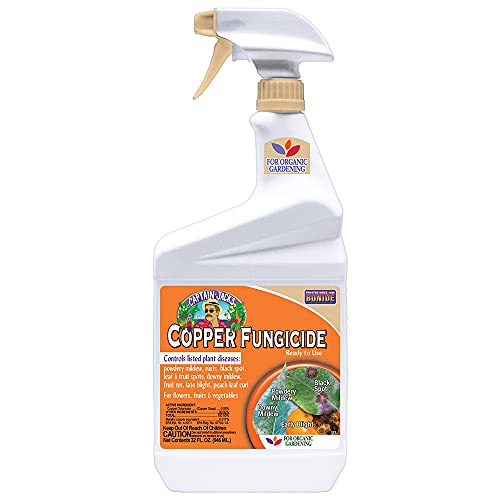
Control fungus and disease in your garden with Captain Jack’s ready-to-use Liquid Copper Fungicide!

Control fungus and disease in your garden with Captain Jack’s Liquid Copper Fungicide Concentrate!

FOR USE ON: Use Berry-tone organic fertilizer for all berries including blueberries, strawberries, raspberries, and blackberries
Disease Vulnerability
Strawberries and lettuce face various diseases that can spread quickly. Strawberries are particularly susceptible to fungal infections such as gray mold and powdery mildew. Lettuce may encounter issues like downy mildew and lettuce aphids. If you notice signs of disease on either crop, act promptly to minimize spread. Rotate crops yearly, focusing on disease-resistant varieties of both plants when possible. Use organic fungicides, and keep the growing area clean and dry to reduce risk.
Competition For Resources
Strawberries and lettuce compete for nutrients, water, and sunlight. Strawberries tend to spread and cover the ground, which can shade lettuce, potentially limiting its growth. To mitigate this, monitor spacing; place lettuce plants strategically between strawberry rows. Ensure adequate watering and fertilization to meet the needs of both crops. Regularly assess the health of your plants, adjusting care as necessary to balance their needs and optimize growth potential.
Conclusion
Growing strawberries and lettuce together can be a rewarding experience for your garden. By taking advantage of their unique growing habits you can optimize space and create a thriving environment for both crops. With proper care and attention to their specific needs you’ll likely enjoy a bountiful harvest.
Remember to monitor for pests and diseases while ensuring they have enough nutrients and water. With a little effort you can cultivate a beautiful garden that not only looks great but also delivers delicious results. So grab your gardening tools and get started on this fruitful journey!
Frequently Asked Questions
What is companion planting?
Companion planting is the practice of growing different plants together for mutual benefits. This technique helps improve growth rates, pest control, and space utilization. By understanding plant compatibility, gardeners can create a thriving ecosystem in their gardens.
Why should I plant strawberries and lettuce together?
Planting strawberries and lettuce together optimizes space and sunlight. Strawberries provide shade, which benefits lettuce during hot weather. Additionally, this combination promotes healthier plants, improves soil health, and creates a microclimate that supports optimal growth.
What are the soil requirements for strawberries and lettuce?
Both strawberries and lettuce thrive in well-draining, fertile soil with a pH of 6.0 to 6.8. Enriching the soil with organic matter like compost is recommended, along with ensuring proper drainage to prevent root rot.
How should I space strawberries and lettuce when planting?
Space strawberry plants 12 to 18 inches apart, and plant lettuce 6 to 12 inches apart in between. This layout ensures adequate sunlight and airflow, minimizing competition for resources.
How often should I water strawberries and lettuce?
Strawberries require 1 to 1.5 inches of water per week, while lettuce prefers about 1 inch of consistent moisture. Adjust watering based on weather conditions, and consider mulching to retain soil moisture.
What are common challenges when growing strawberries and lettuce together?
Common challenges include disease vulnerability, such as fungal infections and downy mildew, as well as competition for resources. Monitoring spacing, ensuring proper watering, and practicing crop rotation can help mitigate these issues.
How can I manage pests and diseases in my garden?
Regularly inspect plants for pests and diseases. Use organic pest control methods, such as introducing beneficial insects and utilizing organic fungicides. Crop rotation also helps prevent disease buildup in the soil.
When should I plant strawberries and lettuce?
It’s best to plant strawberries in early spring, followed by lettuce a few weeks later. This staggered planting helps ensure both crops thrive without competing for resources during their critical growth phases.
