

Do you ever wonder if planting peppers deep in the soil, similar to tomatoes, could yield better results? Picture this: you’re in your garden, contemplating the best way to ensure your pepper plants thrive. The question lingers: can adopting a technique commonly used for tomatoes make a difference for your peppers?
In this article, we explore whether planting peppers deep like tomatoes is a beneficial practice. Discovering the answer could potentially enhance your gardening experience and lead to healthier pepper plants. Let’s delve into this intriguing topic together and uncover the potential advantages of adjusting your planting methods.
Key Takeaways
- Understand the differences in growth habits and root structures between peppers and tomatoes to optimize planting depth.
- Deep planting benefits tomatoes with extensive root systems for better nutrient uptake and stability.
- Peppers prefer shallower planting depths due to their compact roots, avoiding risks like hindered development or waterlogging.
- Choose well-draining, organic-rich soil with optimal pH levels when planting peppers for healthier growth.
- Plant peppers at the same depth as their containers, space them adequately, avoid overwatering, and consider mulching for moisture retention.
The Basic Differences Between Planting Peppers and Tomatoes
When comparing planting peppers and tomatoes, there are key differences to consider that can impact the growth and health of your plants. Let’s delve into these variations to help you understand how to best care for your pepper and tomato crops.
Growth Habits of Peppers and Tomatoes
Peppers and tomatoes have distinct growth habits that influence how they should be planted. While both are warm-season vegetables, peppers tend to have a more upright growth pattern compared to the sprawling nature of tomato plants. Understanding these differences is crucial in determining the ideal planting depth for each crop.
Root Structures and Their Impacts
The root structures of peppers and tomatoes also differ significantly, affecting how deep they should be planted. Pepper roots generally grow more compactly around the stem, requiring a shallower planting depth than tomatoes. In contrast, tomato plants develop extensive root systems that benefit from deeper planting.
By recognizing these disparities in growth habits and root structures between peppers and tomatoes, you can make informed decisions when planting them in your garden. Adjusting your planting techniques based on these differences will help optimize the growth and yield of both crops.
Can You Plant Peppers Deep Like Tomatoes?
When considering whether you can plant peppers deep like tomatoes, it’s essential to understand the benefits and potential risks associated with this practice for each type of plant.
The Benefits of Deep Planting for Tomatoes
Deep planting tomatoes allows their extensive root systems to establish more robustly in the soil. This depth encourages a stronger foundation, aiding in better nutrient uptake and overall plant stability. By planting tomatoes deep, you promote healthier growth and increased resilience against environmental stressors.
Potential Risks and Benefits for Peppers
Peppers, on the other hand, have a different root structure compared to tomatoes. Their compact roots prefer shallower planting depths. While peppers might benefit from slightly deeper planting than usual under specific conditions, going as deep as with tomatoes could pose risks such as hindered root development or waterlogging. It’s crucial to consider the unique needs of pepper plants when deciding on planting depth to ensure optimal growth and productivity.
Best Practices for Planting Peppers
When it comes to planting peppers, there are specific practices you should follow to ensure optimal growth and yield. Here are some essential tips to help you plant your peppers successfully.
Choosing the Right Soil
Selecting the proper soil is crucial for the health of your pepper plants. Opt for well-draining soil that is rich in organic matter. Peppers thrive in loamy soil with a pH level between 6.0 and 6.8. Ensure the soil is fertile and free from any contaminants that may harm your plants.
- Digging Holes: Dig holes for your pepper plants that are slightly larger than their root balls.
- Plant Depth: Unlike tomatoes, avoid planting peppers too deep as they have shallow roots. Place them at the same depth as they were in their containers or seedling trays.
- Spacing: Space your pepper plants adequately to allow room for growth and airflow, typically around 18-24 inches apart.
- Watering: After planting, water your peppers thoroughly but avoid overwatering, as this can lead to root rot.
- Mulching: Consider mulching around your pepper plants to retain moisture, regulate soil temperature, and suppress weed growth.
The Role of Soil Type and Plant Support
When planting peppers, the soil composition plays a critical role in their growth. Here’s why it matters:
Recommended Products
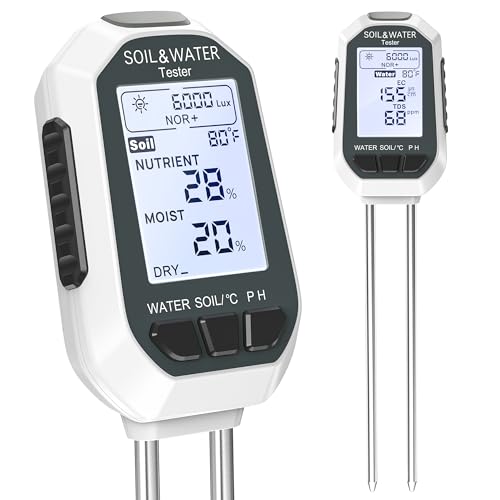
【7-in-1 Features】This is a 7-in-1 multi-function soil tester. Our soil tester quickly measures soil moisture, pH, temperature and light intensity, and its fertility function helps you take better care of your plants. With this device you can measure the soil moisture, pH, temperature and light intensity for your plants and with the EC and TDS functions you will know when it is time to water the soil.

It can measure soil moisture,soil fertility,soil PH.

3-in-1 Soil Tester: This meter can test soil moisture, light and pH value; You can switch modes with one button; It makes gardening and plantng more efficient
Importance of Soil Composition
- Well-Draining Soil: Opt for well-draining soil to prevent waterlogging, which can harm pepper plants.
- Organic Matter Richness: Choose soil rich in organic matter as it provides essential nutrients for healthy plant development.
- Optimal pH Level: Aim for a pH level between 6.0 and 6.8 to create a favorable environment for pepper growth.
Supporting your pepper plants with appropriate structures can enhance their overall health and productivity. Consider the following:
- Cage Support: Utilize cages made of wire or stakes to support pepper plants as they grow taller.
- Staking Method: Secure individual plants to stakes using ties or soft twine to prevent bending or breaking under the weight of developing fruits.
Conclusion
You’ve learned that planting peppers deep in the soil, similar to tomatoes, can have a positive impact on their growth. Understanding the differences in root structures and growth habits is key to maximizing your crop yield. Remember, using well-draining soil with adequate organic matter content and maintaining a pH level between 6.0 and 6.8 is crucial for healthy pepper plants. Supporting them with cages or stakes will further promote their health and productivity. By implementing these practices, you’ll set yourself up for success in growing vibrant and bountiful pepper plants.
Frequently Asked Questions
Q: Why should I plant peppers deep in the soil like tomatoes?
A: Planting peppers deep in the soil promotes stronger root development and boosts overall growth, leading to higher crop yield.
Q: What is the significance of understanding growth habits and root structures of peppers?
A: Understanding these aspects helps optimize planting techniques and care practices for maximizing the productivity of pepper plants.
Q: What type of soil composition is ideal for growing healthy pepper plants?
A: Well-draining soil with rich organic matter content and a pH level between 6.0 and 6.8 is recommended for optimal growth of pepper plants.
Q: Should I support my pepper plants with cages or stakes?
A: Yes, supporting pepper plants with cages or stakes enhances their health, prevents breakage, and promotes better fruit production.
