

Have you ever wondered if you can plant peas and lettuce together? If you’re looking to maximize your garden space and grow fresh veggies, this question is more common than you might think. Many gardeners face the challenge of figuring out which plants can thrive side by side without competing for resources.
Key Takeaways
- Compatibility: Peas and lettuce can thrive together due to their overlapping planting zones and complementary growth habits, with both preferring cooler temperatures.
- Space Optimization: Utilize vertical space by planting peas along trellises while keeping lettuce in flat rows below, allowing for efficient use of garden space.
- Pest Management: Sharing space can provide natural pest deterrence; peas may repel lettuce pests like aphids and attract beneficial insects for added pest control.
- Soil and Water Requirements: Both plants enjoy similar soil conditions, but consistent moisture is key; maintain well-drained, nutrient-rich soil with appropriate pH levels for optimal growth.
- Challenges: Be aware of potential risks like disease transmission and competition for resources; proper spacing and regular monitoring can mitigate these issues.
The Compatibility of Peas and Lettuce
Peas and lettuce can grow well together due to their complementary growth habits. Understanding their planting zones and growth requirements ensures a successful garden.
Recommended Products

USDA CERTIFIED ORGANIC VEGETABLES: Enjoy 100% clean, non-GMO heirloom crops grown from seed. Certified organic by Oregon Tilth, this open-pollinated variety pack ensures your home garden yields healthy, chemical-free organic vegetables directly to your table.
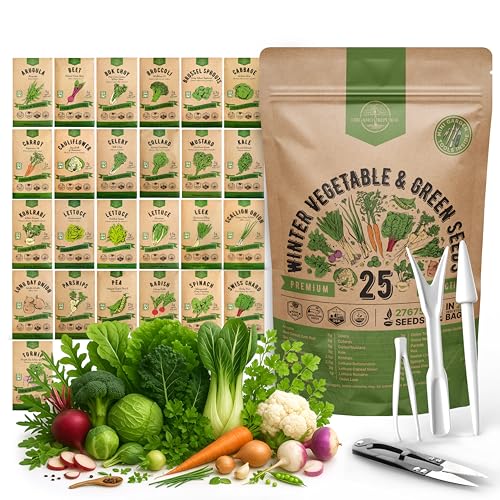
Gardening Kit: 25 Winter Vegetable & Greens Garden Seeds Variety Pack NON GMO Heirloom Seeds LESS THAN $1.00 PER SEED VARIETY PACK 27,675+ seeds including: Arugula, Beet Detroit Dark Red, Bok Choy, Broccoli, Brussel Sprouts, Cabbage, Carrot Imperator 58, Cauliflower, Celery, Collards, Curled Mustard, Kale, Kohlrabi, Buttercrunch, Oakleaf Green, Romaine, Leek, Tokyo Long White Scallion, Walla Walla, Parsnip, Pea, Radish Cherry Belle, Spinach, Swiss Chard, Turnip

Curated Collection - This Collection features 10 of the most popular and high-yielding vegetables and herbs for home gardening, containing over 2500 seeds. Help you cultivate a bountiful and healthy home garden.
Understanding Planting Zones
Peas thrive in USDA hardiness zones 3-7, while lettuce prefers zones 4-9. These overlap zones make them compatible planting partners. Both prefer cooler temperatures, so planting them in early spring or fall enhances their growth.
Growth Requirements
Peas require full sunlight, needing around 6-8 hours daily. They also benefit from well-drained, nutrient-rich soil with a pH level of 6.0-7.0. Lettuce, on the other hand, prefers slightly cooler conditions and can tolerate partial shade. It thrives in similar soil but flourishes in a pH of 6.0-6.5.
When planting them together, consider staggering your rows. Place peas on the northern side to ensure they don’t shade the lettuce. This method maximizes light exposure for both crops. Regular watering and maintaining soil moisture help both plants flourish simultaneously.
Benefits of Planting Peas and Lettuce Together
Planting peas and lettuce together offers several advantages that enhance your gardening experience. Their compatible growth habits create a thriving environment for both crops.
Recommended Products
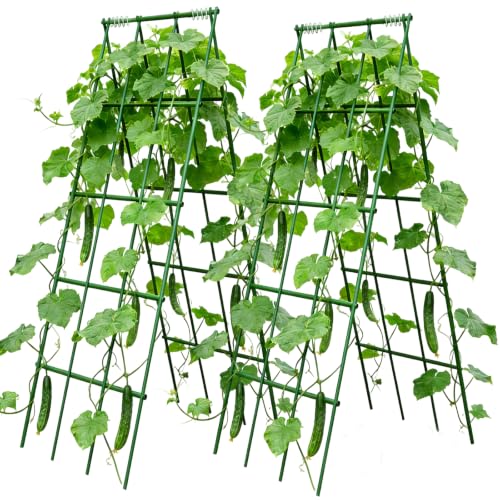
【No Assembly Required】Cucumber Trellis Out of the Box - From Packaging to Garden, Only 3 Minutes. While Other Bracket Kits Force You to Wrestle with More Than Ten Parts and a Wrench, Our No-Assembly-Required Bracket Panel Has Already Been Moved to the Garden for You, Providing a Simple and Quick DIY Erection Experience

Fragrant sweet pea seeds for planting designed for spring and cool season gardens. Grow climbing blooms for a classic cottage style look on a trellis or fence, with flowers many gardeners enjoy for their scent.

[Ideal Size & Bonus Netting] Compact A-frame design (47" H x 31.5" W) provides stable vertical support. Each set includes durable nylon netting to help vines climb easily and stay organized.
Space Optimization
Space optimization occurs when you plant peas in vertical arrangements and lettuce in flat rows. Peas grow upward, using vertical space without spreading outwards. This allows you to maximize your garden area. For instance, if you plant peas along a trellis, lettuce can thrive in the space below without competing for light. By alternating rows, it’s possible to produce a larger quantity of crops from the same plot.
Pest Management
Pest management improves when peas and lettuce share a space. The presence of peas can deter some pests that commonly affect lettuce, such as aphids. Additionally, while peas attract beneficial insects, healthy populations of these insects can provide natural pest control for your lettuce. To gain the most from this partnership, keep your plants well-spaced and healthy, ensuring airflow and light, which can further reduce pest problems.
Tips for Successful Companion Planting
Achieving a thriving garden with peas and lettuce involves a few key practices. Implementing proper soil preparation, effective watering techniques, and careful monitoring leads to success.
Recommended Products

Quick, at home results for Soil pH, Nitrogen, Phosphorous and Potash Innovative and inexpensive soil test kit features an easy-to-use capsule system and patented color comparators

Accurate Soil pH Testing: Dewildetradingco Soil pH Test Strips offer measurements of soil pH levels (pH 3.5-9). As an essential tool for every gardener and grower, these test strips help determine the optimal pH for various plants, such as outdoor plants, indoor plants, gardens, grass lawns, fruit trees, flowers, vegetables, and forest shrubs.

How to Accurately Test Garden's Soil pH? Many growers do not able to use the correct tools and methods to obtain accurate soil ph values; NewTest soil ph test kit includes upgraded soil ph test strips, measuring cylinders, and instructions for professional testing methods; it allows even beginners to easily and accurately obtain soil ph values
Soil Preparation
Preparing soil ensures optimal growth for both plants. Start by testing soil pH. It should range between 6.0 and 7.0 for peas and lettuce. Improve soil quality by incorporating organic matter like compost. Compost enriches nutrients and enhances soil structure. Clear weeds to reduce competition for resources. Loosen the soil to promote root development for both crops.
Watering Techniques
Watering plays a crucial role in plant health. Keep the soil consistently moist but not soggy. Use drip irrigation or soaker hoses to deliver water directly to the roots. Early morning watering minimizes evaporation. Aim for around 1 inch of water per week, adjusting for weather conditions. Monitor moisture levels regularly; lettuce prefers slightly moister soil than peas. Observing leaf color helps too—dark green indicates good hydration, while wilting suggests a need for more water.
Potential Challenges
Planting peas and lettuce together can present specific challenges that gardeners should consider. Understanding these challenges allows you to take proactive measures for a successful harvest.
Disease Risks
Growing peas and lettuce in close proximity may increase the risk of disease transmission. Both plants are susceptible to certain fungi and bacterial infections. For instance, downy mildew can affect peas, while lettuce may encounter diseases like downy mildew and lettuce mosaic virus. When planting these crops together, regularly inspect for signs of disease. Ensure good air circulation around the plants, and avoid overhead watering to minimize moisture on foliage, which encourages disease spread.
Competition for Resources
Competition for resources poses a key challenge when planting peas and lettuce together. Although they share similar growing requirements, their needs may conflict. Peas, as climbing plants, require more space and nutrients as they grow. If not properly managed, they can overshadow lettuce plants, leading to reduced growth and yield. To prevent this, stagger your planting with peas on the northern side of the garden bed. This arrangement ensures adequate sunlight reaches the lettuce. Monitor soil nutrient levels closely, and consider side-dressing with organic fertilizers to support both crops’ nutrient needs throughout the growing season.
Conclusion
Planting peas and lettuce together can be a rewarding experience for your garden. By understanding their growth habits and preferences you can create a thriving environment for both crops. Remember to stagger your planting and monitor moisture levels to keep them healthy.
While there are challenges like disease risks and competition for nutrients it’s all manageable with a bit of care. With the right techniques you can enjoy a bountiful harvest while making the most of your garden space. Happy gardening and enjoy those fresh veggies!
Frequently Asked Questions
Can I plant peas and lettuce together?
Yes, peas and lettuce can be planted together successfully. They have complementary growth habits and thrive in cooler temperatures, making them ideal companions. Planting them side by side can maximize garden space while providing fresh vegetables.
What are the ideal growth zones for peas and lettuce?
Peas thrive in USDA hardiness zones 3-7, while lettuce does best in zones 4-9. This overlap makes them compatible planting partners, allowing both to grow well in a shared garden area.
What are the benefits of planting peas and lettuce together?
Planting peas and lettuce together optimizes space and helps with pest management. Peas can deter pests that affect lettuce and attract beneficial insects. Additionally, their different growth habits allow for efficient use of garden space.
How should I arrange my garden when planting these together?
Stagger rows with peas on the northern side to avoid shading the lettuce. This arrangement allows both plants to receive adequate sunlight while supporting each other’s growth.
What are the watering needs for peas and lettuce?
Peas and lettuce both need consistent moisture, but lettuce prefers slightly moister soil than peas. Use methods like drip irrigation and monitor soil moisture regularly to ensure both crops thrive.
How do I prepare the soil for planting peas and lettuce?
Test the soil pH, aiming for a range of 6.0 to 7.0. Improve soil quality by adding organic matter, like compost, and ensure it’s well-drained and nutrient-rich to support healthy growth.
What challenges might I face when growing peas and lettuce together?
Potential challenges include disease transmission, as both plants are susceptible to similar fungi and bacteria. Additionally, there may be competition for resources, like space and nutrients. Regular monitoring and proper management can mitigate these issues.
