

Have you ever wondered if you can still grow lettuce as summer fades? September can feel like a tricky time for gardening, especially when you want to keep your salad game strong. You might be unsure if it’s too late to plant those crisp greens or if you should just wait until spring.
This article will help you navigate the ins and outs of late-season lettuce planting. You’ll discover the best varieties to choose and tips for success in cooler weather. Whether you’re a seasoned gardener or just starting, you’ll find valuable insights to keep your garden thriving well into the fall.
Key Takeaways
- Optimal Growing Conditions: Lettuce thrives in cooler temperatures between 60°F and 70°F, making September a suitable time for planting as summer ends.
- Variety Selection: Choose fall-friendly varieties like Butterhead, Romaine, and Leaf Lettuce, which offer better flavor and resilience in cooler weather.
- Germination and Maturity: Most lettuce germinates within 7-14 days, with leafy types maturing in about 30-50 days, allowing for timely harvesting before frost.
- Soil Preparation: Proper soil preparation, including testing pH and incorporating compost, is crucial for successful lettuce growth and health.
- Watering and Care: Maintain consistently moist soil and monitor for pests, as cooler months may lead to changes in pest activity.
- Frost Protection: Utilize row covers or lightweight cloths at night to protect plants from unexpected frosts and ensure a continuous growing season.
Understanding Lettuce Growing Seasons
Lettuce thrives in cooler weather, making it suitable for planting in September as summer fades. Timing matters for success. You’ll want to consider your local climate and the specific lettuce variety you choose.
Optimal Temperature Ranges
- Lettuce grows best between 60°F and 70°F.
- Temperatures above 75°F may lead to bolting, where lettuce produces flowers and seeds, compromising leaf quality.
- Fall varieties often tolerate cooler temperatures without sacrificing growth.
Choosing the Right Varieties
Different types of lettuce perform better in fall conditions. Some recommended varieties include:
- Butterhead: Soft, tender leaves, ideal for cooler weather.
- Romaine: Crisp texture, robust and hardy throughout fall.
- Leaf Lettuce: Quick-growing and adaptable; easy to harvest.
Germination and Maturity Times
- Most lettuce types germinate within 7 to 14 days.
- Leafy varieties mature in about 30 to 50 days.
- Planning your planting dates around these timelines ensures a successful harvest before frost.
Preparing Your Garden
- Choose a location with partial sunlight, especially during the warmer days of early fall.
- Amend soil with compost for improved drainage and nutrient content.
- Utilize row covers for extra protection against unexpected cold snaps.
Watering and Care
- Keep soil consistently moist, especially during germination.
- Water early in the day to reduce evaporation.
- Monitor for pests, as they may increase in cooler months.
- Consider using cold frames or hoop houses to shield plants from frost.
- Covering your beds at night with a lightweight cloth helps maintain warmth.
By understanding the specific needs and conditions for growing lettuce in September, you can extend your gardening season and enjoy fresh greens well into fall.
Benefits of Planting Lettuce in September
Planting lettuce in September offers several advantages that can enhance your gardening experience. This time of year provides unique opportunities for growers eager to enjoy fresh greens.
Recommended Products

YEAR-ROUND GARDEN FAVORITE – Dependable butterhead lettuce that thrives in cool or moderate weather for consistent harvests from spring through fall, even under cover in winter

USDA Certified Organic by Oregon Tilth

The Best Value - Organo Republic Lettuce Iceberg Seeds Pack contains 3g or 3,100 Non-GMO heirloom lettuce seeds. Iceberg Lettuce (Lactuca sativa var. capitata) is known for its crisp texture and mild flavor, making it the perfect addition to fresh vegetable salads or culinary creations.
Extended Harvest Period
September planting allows for an extended harvest period. Harvesting lettuce can continue well into fall when days are still warm but nights begin to cool. By choosing varieties suited to cooler temperatures, like Butterhead or Romaine, you maximize your yield. Seasons primarily influence the lifespan of lettuce; thus, planting in September can provide several additional weeks of fresh greens before winter arrives.
Cooler Weather Advantages
Cooler weather conditions benefit lettuce growth. Temperatures between 60°F and 70°F promote better flavor and texture. You’ll notice a reduction in bitterness compared to summer crops. Moreover, reduced pest activity during cooler months leads to healthier plants. With less evaporation, adequate moisture retention is easier, helping you conserve water in your garden. Plus, planting in September creates an opportunity to use row covers for added frost protection, ensuring your lettuce continues growing without interruption.
Conditions for Successful Planting
Successful lettuce planting in September requires careful attention to soil and temperature. By ensuring these conditions are met, you can enjoy a healthy and bountiful harvest through the fall.
Recommended Products
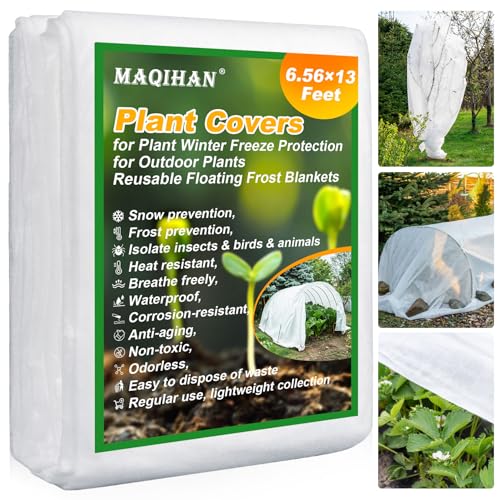
Product Features: Our plant covers are ideal for protecting all plant. Made from premium 1 oz/sq non-woven fabric, their durability and breathability ensuring both insulation against frost and facilitation of sunlight penetration for healthy plant growth
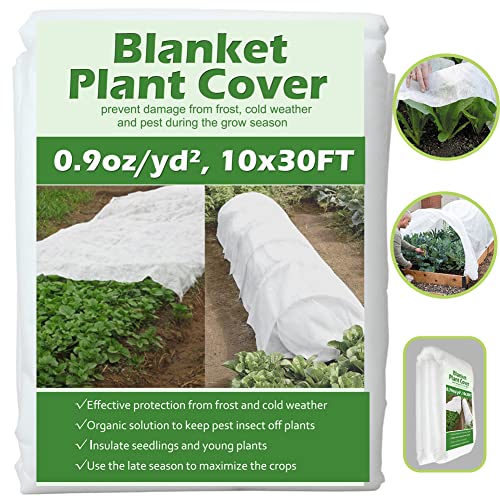
※Big Size to cover large area : The size of our plant cover is 10x30ft, the size can cover large areas. You can cut the plant covers freeze protection into different sizes for different use. You can cover it over the plant such as shrub tomato, pepper, pumpkin, and so on.

THICKER MATERIAL: Our plant freeze protection cover is made of UV stabilized polypropylene. Upgraded thicker 0.9oz./sq.yard lightweight but durable. Soft plant covers are friendly and no harm to your plants. Breathable non-woven fabric allow light, air go through the frost cloths and reach the plants.
Soil Preparation
Good soil preparation sets the foundation for your lettuce. Start by testing the soil pH; lettuce prefers a range of 6.0 to 6.8. Add organic matter like compost to enhance soil structure and fertility. This not only boosts nutrient levels but also improves drainage and moisture retention. Tilling the soil to a depth of about 12 inches allows roots to penetrate easily. Be sure to remove rocks and debris to create a clean planting area. Finally, consider a soil amendment rich in nitrogen, as lettuce thrives on this nutrient.
Temperature Requirements
Temperature plays a crucial role in lettuce growth. Ideally, lettuce grows best when daytime temperatures range from 60°F to 70°F. Nights should ideally stay between 45°F and 55°F. If daytime temperatures exceed this range, growth may slow, and plants might bolt (go to seed). Monitor the weather closely, and be prepared to cover your lettuce with row covers or fleece if unexpected frost threatens. By keeping these temperatures in check, you can promote healthy growth and improve flavors, ensuring a delicious harvest.
Recommended Lettuce Varieties for September
Choosing the right lettuce varieties for September maximizes your chances of a successful harvest. Here’s a list of options that thrive in cooler temperatures:
Recommended Products

4 Popular Heirloom Lettuce Varieties: Includes Red Romaine, Bibb Butterhead, Black Seeded Simpson, and Green Ice lettuce seeds to grow crisp, tender, and colorful salad greens with balanced flavor, texture, and visual appeal.

"Mesclun" comes from the Provençal French word meaning "mixture" — this style of mixed salad greens originated in the Nice region of France and became a staple of fine restaurants worldwide before becoming a home garden favorite.

Beautiful - Large individual packets of Buttercrunch, Jericho, Iceberg, Green Salad Bowl, Little Gem, Red Romaine, Black-Seeded Simpson, All The Year Round, Red Salad Bowl, and Lolla Rosa Lettuce Seed; A wonderful variety of shapes and colors for your salad bowl. Minimum of 600mg per packet.
Butterhead Lettuce
- Butterhead lettuce has a tender, buttery texture.
- Varieties like ‘Buttercrunch’ and ‘Boston’ are ideal for fall planting.
- Butterhead thrives in temperatures between 55°F and 75°F.
Romaine Lettuce
- Romaine lettuce offers a crisp texture and robust flavor.
- ‘Little Gem’ and ‘Parris Island Cos’ perform well in September.
- Romaine tolerates cooler weather and can withstand light frosts.
Leaf Lettuce
- Leaf lettuce includes a variety of colors and textures.
- Varieties like ‘Black Seeded Simpson’ and ‘Red Romaine’ grow quickly.
- Leaf lettuce adapts easily to changing temperatures, making it suitable for early fall.
- Looseleaf varieties are easy to grow and harvest.
- ‘Green Salad Bowl’ and ‘Lollo Rossa’ are great choices for fall.
- They grow quickly and can continue producing through light frosts.
Consider your local climate when selecting varieties. Keep an eye on the average first frost date, as this will guide your planting schedule. With proper care, you can enjoy fresh lettuce even as the weather cools down.
Conclusion
Planting lettuce in September can be a rewarding experience if you choose the right varieties and prepare well. By keeping an eye on your local climate and frost dates you can enjoy fresh greens even as the weather cools down. Remember to pick varieties that thrive in the chillier temperatures and give your lettuce the best chance for success. With a little planning and care your fall garden can flourish with delicious lettuce ready for your salads and sandwiches. Happy gardening!
Frequently Asked Questions
What are the best conditions for growing lettuce in September?
To grow lettuce successfully in September, aim for temperatures between 50°F and 70°F. Select varieties like Butterhead, Romaine, and Leaf Lettuce that thrive in cooler temperatures. Ensure proper watering and consider your local climate and average first frost date for optimal growth.
Which lettuce varieties are recommended for cooler temperatures?
For September planting, Butterhead, Romaine, and Leaf Lettuce are excellent choices. Specifically, varieties like Buttercrunch, Paris Island Romaine, and Red Leaf Lettuce adapt well to cooler conditions, providing a successful harvest as temperatures drop.
How can I prepare my garden for growing lettuce in September?
Start by clearing your garden bed of weeds and debris. Test and amend the soil to ensure it’s fertile and well-draining. Plant lettuce seeds or seedlings that match cooler conditions, and consider using row covers to protect against unexpected frosts.
Why is it important to consider local climate when growing lettuce?
Understanding your local climate helps you choose the right lettuce varieties that can endure specific conditions. It ensures your plants thrive during September, leading to a successful harvest. Knowing your average first frost date also guides when to plant for optimal results.
How can changing weather conditions affect lettuce growth?
Lettuce is sensitive to temperature fluctuations, which can stress the plants. Warmer weather can cause bolting, while frost can kill young seedlings. By selecting the right varieties and timing your planting, you can adapt to changing conditions for a better harvest.
