

Ever wondered if you can boost your garden’s productivity by planting carrots and beets together? Picture this: you’re in your backyard, envisioning a colorful array of fresh, homegrown veggies. But can these two root vegetables really thrive side by side?
Imagine the convenience of harvesting two delicious crops from the same plot. No need to separate them into different beds or sections. By exploring the compatibility of planting carrots and beets together, you’ll unlock a time-saving and space-efficient gardening technique that’s both practical and rewarding.
Curious to learn how this gardening hack can transform your harvest season? Discover the secrets behind successfully growing carrots and beets together in your garden, maximizing your yields with minimal effort.
Benefits of Companion Planting
When planting carrots and beets together, you can reap several benefits that enhance your gardening experience. Here are some advantages of companion planting:
- Enhanced Growth: Pairing carrots with beets can promote healthier growth due to the different root depths of the two vegetables.
- Natural Pest Control: The scents of the plants may deter certain pests, reducing the need for chemical pesticides in your garden.
- Optimized Space: By planting carrots and beets together, you can efficiently utilize available space and grow more in a limited area.
- Soil Nutrient Balance: Carrots and beets have complementary nutrient needs, ensuring that the soil remains balanced over time.
- Convenient Harvest: Harvesting carrots and beets from the same plot saves time and effort, making your gardening tasks more manageable.
- Biodiversity Support: Planting diverse crops like carrots and beets together can promote ecosystem health by attracting beneficial insects to your garden.
- Visual Appeal: The color contrast between orange carrots and deep red beets can add aesthetic value to your garden, enhancing its overall look.
Incorporating companion planting in your garden is a simple yet effective way to maximize yields while creating a balanced and thriving ecosystem.
Characteristics of Carrots and Beets
When planting carrots and beets together, it’s essential to understand the unique characteristics of each vegetable. Here are some key differences:
- Carrots:
- Root vegetable with a sweet flavor
- Prefer loose, well-drained soil
- Long, slender roots that grow underground
- Beets:
- Root vegetable known for its earthy taste
- Thrive in fertile, moist soil
- Bulbous roots that vary in color (red, golden, or striped)
By recognizing these distinctions, you can optimize growing conditions for both carrots and beets in your garden.
Soil Preparation for Planting
When preparing the soil for planting carrots and beets together, ensure it’s loose, well-drained, and rich in nutrients. Here’s how you can properly prepare your soil:
- Clear the planting area of any debris or weeds.
- Loosen the soil to a depth of at least 12 inches using a garden fork or shovel.
- Incorporate compost or aged manure to improve soil structure and fertility.
- Avoid using fresh manure, as it can cause root crops to fork or become misshapen.
- Perform a soil test to check pH levels and adjust if necessary.
- Ensure the soil is moist but not waterlogged before planting.
By following these simple steps, you’ll create the ideal growing environment for your carrots and beets.
Recommended Products

Quick, at home results for Soil pH, Nitrogen, Phosphorous and Potash Innovative and inexpensive soil test kit features an easy-to-use capsule system and patented color comparators

Kindly NOTE: This soil tester can not be applied to test pH value of any other liquid. If the soil is too dry the indicator will not move, and water it before testing.

KNOW BEFORE YOU GROW | Grow the healthiest, sustainable lawn and garden with the most accurate and easy to use professional soil test kit on the market
Planting Techniques
When it comes to planting carrots and beets together, follow these practical tips for a successful harvest:
- Sow Depth: Plant carrot seeds slightly deeper than beets to prevent sunlight exposure.
- Spacing: Ensure ample space between each seed to avoid crowding and competition.
- Weeding: Keep the area free of weeds to prevent interference with root development.
- Thinning: Thin out seedlings to the recommended spacing to promote healthy growth.
- Mulching: Consider mulching around plants to regulate soil temperature and moisture levels.
Remember, proper planting techniques contribute significantly to the success of growing carrots and beets together.
Recommended Products
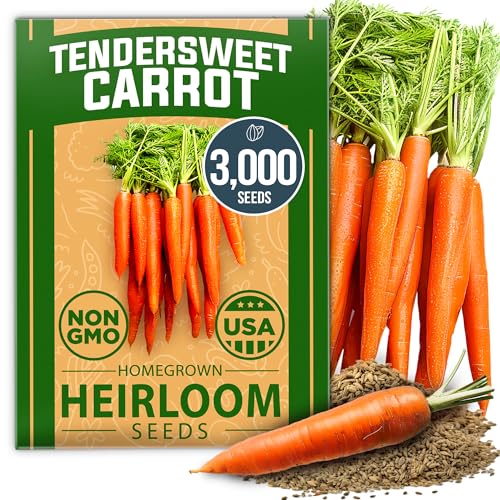
Premium Tendersweet Carrot Seeds: Authentic Open-Pollinated Premium Heirloom Seeds (USA) Non-GMO, Untreated, High Germination Rate. Phenomenal dessert Brix profile. High-impact carotene energy. An outstanding orange monolith for open ground, high ridges, and patio containers. Your garden bed is your pride.
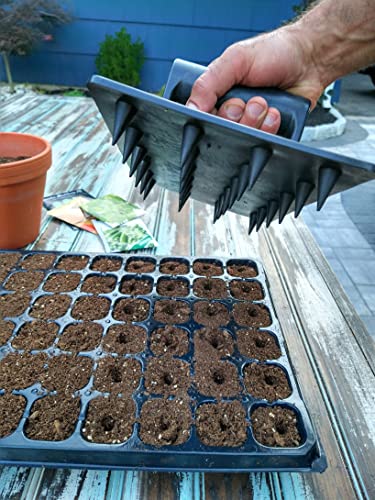
Efficiently start seeds indoors by creating perfect planting holes in 72-cell seed trays

PRECISION SEED SPACING TOOL The Plant Ruler helps gardeners create evenly spaced planting rows for seeds and seedlings, supporting healthier root development and organized vegetable gardens.
Harvesting Tips
When harvesting carrots and beets that you’ve planted together, there are a few key points to keep in mind to ensure a successful and bountiful harvest:
- Timing is crucial: Carrots are usually ready for harvest around 60-80 days after planting, while beets are ready in about 50-70 days. Consider this timeline when planning your harvest.
- Size matters: Carrots are often harvested when they reach the desired size, usually around half an inch in diameter. On the other hand, beets can be harvested when they are about the size of a golf ball.
- Gentle harvesting: When pulling up carrots and beets, do so gently to avoid damaging the vegetables. Use a garden fork or trowel to carefully loosen the soil around the plants before lifting them out.
- Storage tips: Carrots and beets can both be stored for extended periods in a cool, dark place. Cut off the tops of the vegetables before storing them, as this helps them stay fresh longer.
- Continuous harvesting: For a prolonged harvest period, consider succession planting. This involves planting new seeds every few weeks to ensure a continuous supply of fresh carrots and beets throughout the growing season.
Recommended Products
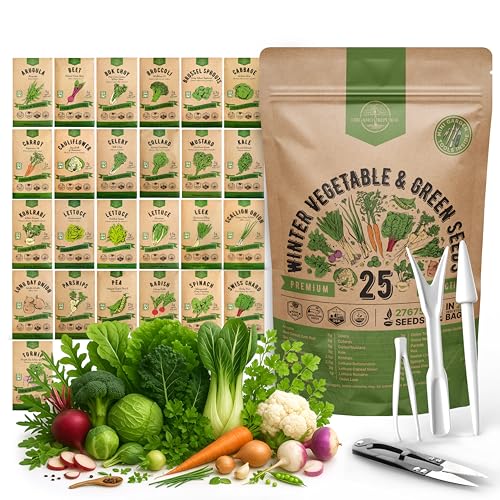
Gardening Kit: 25 Winter Vegetable & Greens Garden Seeds Variety Pack NON GMO Heirloom Seeds LESS THAN $1.00 PER SEED VARIETY PACK 27,675+ seeds including: Arugula, Beet Detroit Dark Red, Bok Choy, Broccoli, Brussel Sprouts, Cabbage, Carrot Imperator 58, Cauliflower, Celery, Collards, Curled Mustard, Kale, Kohlrabi, Buttercrunch, Oakleaf Green, Romaine, Leek, Tokyo Long White Scallion, Walla Walla, Parsnip, Pea, Radish Cherry Belle, Spinach, Swiss Chard, Turnip
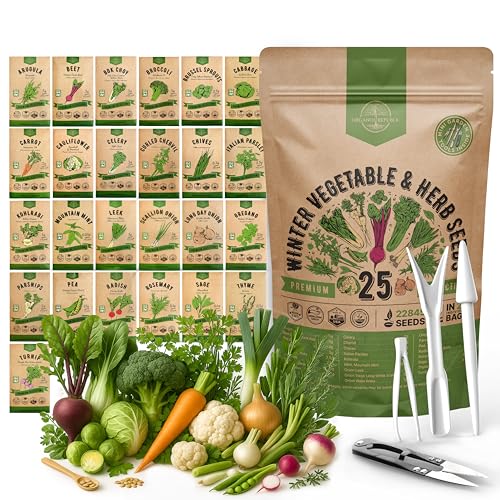
Gardening Kit: 25 Winter Vegetable & Herb Garden Seeds Variety Pack NON GMO Heirloom Seeds LESS THAN $1.00 PER SEED VARIETY PACK 22,845+ seeds including: Arugula, Beet Detroit Dark Red, Bok Choy, Broccoli, Brussel Sprouts, Cabbage, Carrot Imperator 58, Cauliflower, Celery, Chervil, Chives, Italian Parsley, Kohlrabi, Mountain Mint, Leek, Tokyo Long White Scallion, Walla Walla, Oregano, Parsnip, Pea, Radish Cherry Belle, Rosemary, Sage, Thyme, Turnip.

Effortless Carrot Curls: With dimensions of 6 x 2.25 x 2.5 inches, this carrot cutter and peeler is designed to make creating carrot curls a breeze. Crafted from durable ABS with a stainless steel blade, it ensures consistent and precise results every time
Conclusion
You now have a wealth of knowledge on planting and harvesting carrots and beets together. By understanding the timing, size considerations, gentle harvesting techniques, storage tips, and the concept of succession planting, you’re well-equipped to ensure a successful and abundant harvest. Implementing these insights will help you maximize the yield and quality of your carrots and beets throughout the growing season. Happy gardening!
Frequently Asked Questions
How can I effectively plant carrots and beets together?
To plant carrots and beets together, ensure loose, well-draining soil for optimal growth. Sow seeds directly into the ground, maintaining adequate spacing for each plant. Water regularly to keep the soil moist but not waterlogged.
What are the key harvesting tips for carrots and beets?
Harvest carrots and beets when they reach the desired size, typically indicated on seed packets. Gently loosen the soil around the vegetables before carefully pulling them out to prevent damage. Trim the greens but leave a small portion attached to prolong freshness.
What should I know about storing carrots and beets after harvest?
Store carrots and beets in a cool, dark place with high humidity to maintain freshness. Remove the tops to prevent wilting and store the vegetables in perforated plastic bags or containers to retain moisture.
How can I ensure a continuous supply of carrots and beets throughout the growing season?
Practice succession planting by sowing small batches of seeds every few weeks. This staggered approach ensures a continuous harvest of fresh carrots and beets as mature plants are ready for harvest while new seedlings are still growing.
