

Have you ever wondered if you can plant that leftover head of lettuce sitting in your fridge? You’re not alone. Many people find themselves with extra produce and wonder if they can turn it into a thriving garden.
Imagine stepping into your kitchen, snipping off the base of that lettuce, and watching it sprout new leaves right on your windowsill. Not only is it a fun project, but it also saves you money and gives you fresh greens at your fingertips. This article will show you how to turn kitchen scraps into a mini garden, making your meals even more rewarding. Ready to get started?
Key Takeaways
- Lettuce Planting is Easy: You can grow lettuce from the leftover head in your fridge by following simple steps, making it a fun and sustainable gardening project.
- Choose the Right Variety: Select a healthy head of lettuce suitable for your taste and climate, with popular options like romaine, butterhead, and leaf lettuce.
- Preparation is Key: Cut 1-2 inches off the head, soak the base in water, and make sure to plant it correctly in a container filled with potting soil.
- Optimal Growing Conditions: Lettuce thrives in bright, indirect sunlight and requires consistent moisture, ideally in temperatures between 60°F and 70°F.
- Regular Care Needed: Maintain a watering schedule, apply fertilizer every few weeks, and keep an eye out for pests to ensure healthy growth and a fruitful harvest.
- Harvesting for Freshness: After about two weeks, you can start harvesting outer leaves while allowing the inner leaves to continue growing, ensuring a continuous supply of fresh lettuce.
Understanding Lettuce Planting
Planting a head of lettuce can be a simple and rewarding task. Follow these guidelines to successfully grow your own greens.
Choosing the Right Lettuce
Select a healthy head of lettuce. Look for firm, vibrant leaves with no signs of wilting or spoilage. Common types include romaine, butterhead, and iceberg. Each variety grows differently, so choose based on your taste preferences and growing conditions.
Preparing the Lettuce
Cut the head of lettuce approximately 1 to 2 inches above the base. Ensure parts of the base remain intact for regrowth. You can also soak the cut base in water for a few hours to help it absorb moisture before planting.
Planting Process
- Gather Supplies: You’ll need a shallow container, potting soil, and water.
- Fill the Container: Add potting soil to the container, leaving about an inch of space at the top.
- Place the Base: Make a small hole in the soil and insert the lettuce base. Ensure the cut end is facing up, then cover it lightly with soil.
- Water: Gently water the soil until it’s moist but not overflowing.
Ideal Conditions
Lettuce thrives in bright, indirect sunlight. Place your container near a window, ensuring it receives 12 to 14 hours of light daily. If natural light is inadequate, consider using grow lights.
Care and Maintenance
- Watering: Keep the soil consistently moist. Check daily during warm weather to prevent drying out.
- Fertilizing: Use a balanced, water-soluble fertilizer every 2 to 3 weeks to promote growth.
- Harvesting: After about two weeks, new leaves should start to sprout. You can harvest as needed, cutting outer leaves first to allow inner leaves to continue growing.
Troubleshooting
Watch for common pests like aphids and snails. Use organic insecticidal soap or hand-pick pests to manage infestations. If leaves yellow, it may signal overwatering or nutrient deficiency.
Growing lettuce from a head offers a fun, sustainable gardening experience. Enjoy fresh produce from your mini garden right in your kitchen.
Preparing to Plant Lettuce
Planting lettuce from a head is a rewarding project that maximizes leftover produce. To succeed, follow these straightforward steps.
Recommended Products
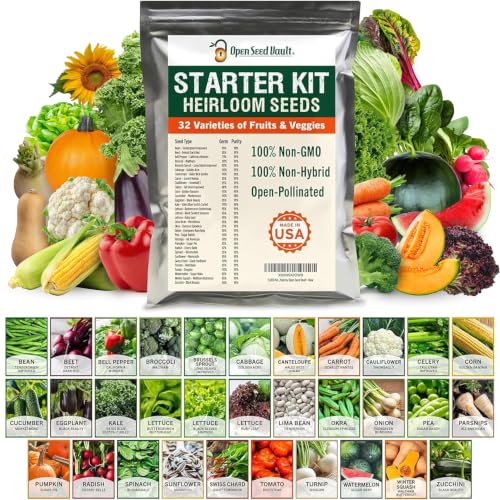
COMPLETE VEGETABLE GARDEN VARIETY PACK – Grow a thriving home garden with 32 popular vegetable seeds including Bean, Beet, Bell Pepper, Broccoli, Brussels Sprout, Cabbage, Cantaloupe, Carrot, Cauliflower, Celery, Corn, Cucumber, Eggplant, Kale, Lettuce (3 types), Lima Bean, Okra, Onion, Pea, Parsnip, Pumpkin, Radish, Spinach, Sunflower, Swiss Chard, Tomato, Turnip, Watermelon, Zucchini. A diverse mix perfect for fresh meals, backyard gardens, and sustainable growing.

USDA Certified Organic by Oregon Tilth

Vegetable seeds variety pack: Grow 35 varieties of leafy greens, root vegetables, tomatoes, peppers, beans, peas, squash, melons, and more. Includes 16,000+ vegetable seeds for planting outdoors in raised beds, garden rows, or containers.
Selecting the Right Lettuce Type
Choose varieties based on your climate and personal taste. Common choices include:
- Romaine: Crunchy and slightly bitter, great for salads.
- Butterhead: Soft leaves with a sweet flavor, perfect for wraps.
- Leaf Lettuce: Fast-growing and easy to maintain, ideal for a quick harvest.
Selecting the right type enhances your gardening experience and ensures delicious results.
Essential Tools and Materials
Gather the following tools and materials before planting. Each item plays a critical role in your gardening success.
- Container: Use a shallow dish or small pot with drainage holes.
- Potting Soil: Preferably organic, it promotes healthy root development.
- Watering Can: A gentle pour helps avoid soil disturbance.
- Plastic Wrap: To cover the container for moisture retention during germination.
Having the right tools makes planting easier and more efficient, setting you up for a thriving mini garden.
Planting a Head of Lettuce
Planting a head of lettuce can be straightforward and rewarding. Follow these steps to ensure successful growth in your garden or containers.
Recommended Products

CONTAINS: This organic Seed Stating soil mix is a rich blend of sphagnum peat moss & perlite with yucca extract and lime to ensure correct pH.

Miracle-Gro Indoor Potting Mix for Seed Starting grows stronger roots for seeding success (vs unfed when used as directed)

Ready to Use - Seed starter mix eliminates the need for complex soil preparation, making it a time-saving and effortless option
Step-by-Step Planting Guide
- Select a Lettuce Type: Choose varieties like romaine, butterhead, or looseleaf based on your taste and climate.
- Prepare Your Materials: Gather containers, potting soil, a watering can, and plastic wrap.
- Cut the Lettuce Head: Use a sharp knife to cut the base of the lettuce head, leaving about 2 inches intact.
- Soak in Water: Place the cut lettuce head in a bowl of water for a few hours. This will help rehydrate the plant.
- Planting: Fill your container with potting soil, making a small hole for the lettuce base. Place the head in the hole and cover it lightly with soil.
- Water Carefully: Lightly water the soil around the plant. Ensure it’s damp but not soggy.
- Cover with Plastic Wrap: Use plastic wrap to create a mini greenhouse effect. Remove it once the lettuce sprouts.
Ideal Growing Conditions
Lettuce grows best with certain conditions in mind:
- Temperature: Aim for a temperature range of 60°F to 70°F for optimal growth.
- Light: Place your lettuce in a spot that receives about 6 to 8 hours of indirect sunlight daily. Too much direct sunlight can cause wilting.
- Moisture: Keep the soil consistently moist but not waterlogged. Checking the soil every couple of days helps maintain the right moisture level.
- Soil Quality: Use soil that’s rich in organic matter, with good drainage. Consider mixing in compost to enhance nutrient availability.
Following these guidelines ensures your lettuce thrives, providing fresh greens for your kitchen.
Caring for Your Lettuce
Caring for your lettuce ensures healthy growth and a bountiful harvest. Focus on watering and nutrient management while keeping pests at bay.
Watering and Nutrient Needs
Water your lettuce consistently to keep the soil moist. Check the top inch of the soil; if it feels dry, it’s time to water. Typically, lettuce requires about 1 to 1.5 inches of water per week. Adjust according to your climate and growing conditions.
Use a balanced fertilizer every few weeks to provide essential nutrients. Look for fertilizers with ratios like 10-10-10, which indicate equal parts nitrogen, phosphorus, and potassium. Additionally, consider adding organic compost to enrich the soil, enhancing both structure and nutrient availability.
Pest Control and Maintenance
Monitor your plants regularly for signs of pests. Common pests include aphids, slugs, and caterpillars. For aphids, spray insecticidal soap directly onto the affected leaves. Hand-picking slugs during evening hours can significantly reduce their population.
Maintain a clean garden area by removing debris and weeds, which can harbor pests. Introduce beneficial insects, like ladybugs, to naturally control pest populations. Lastly, rotate your lettuce with other crops each season to prevent soil-borne diseases.
Conclusion
Planting a head of lettuce is a fun and rewarding way to enjoy fresh greens right from your home. With just a little effort and care you can transform kitchen scraps into a thriving mini garden.
Remember to keep an eye on watering and nutrients to ensure your lettuce thrives. By staying proactive with pest control and maintenance you’ll set yourself up for a successful harvest.
So grab that leftover lettuce and start your gardening adventure. You’ll love the taste of homegrown greens and the satisfaction that comes with growing your own food. Happy planting!
Frequently Asked Questions
What are the benefits of planting leftover lettuce?
Planting leftover lettuce saves money and provides fresh greens right at home. It’s an eco-friendly way to repurpose food scraps and promotes healthy eating by having readily available produce.
How do I plant a head of lettuce?
To plant a head of lettuce, first cut the base of the lettuce, leaving about an inch attached. Place it in a shallow dish with water, ensuring the cut edge is submerged. After a few days of growth, transfer it to soil in a pot or garden.
What are the ideal growing conditions for lettuce?
Lettuce thrives in cool temperatures between 60°F and 70°F. It needs well-drained soil rich in organic matter, and a spot that gets partial sun, ideally receiving about 4 to 6 hours of light daily.
How do I water lettuce plants effectively?
Water lettuce plants consistently, keeping the soil moist but not soggy. Water when the top inch of soil feels dry, and use a gentle spray or drip irrigation to avoid disrupting the roots.
What nutrients do lettuce plants need?
Lettuce requires a balanced supply of nutrients, particularly nitrogen for leafy growth. Use a balanced fertilizer or organic compost to enrich the soil, ensuring your plants receive essential minerals for optimal growth.
How can I manage pests when growing lettuce?
Monitor lettuce plants regularly for pests like aphids or snails. Use organic pest control methods such as introducing beneficial insects, applying neem oil, or manually removing pests to safeguard your plants.
What maintenance practices should I follow for healthy lettuce?
For healthy lettuce, practice crop rotation and keep the garden area clean. Regularly check for pests and diseases, water consistently, and apply organic compost or balanced fertilizers as needed to foster growth.
