

Have you ever wondered if you’re giving your lettuce too much water? It’s a common worry for many gardeners. You want your greens to thrive, but too much love can lead to problems.
Key Takeaways
- Balanced Watering is Key: Lettuce thrives with consistent moisture; too much water can lead to root rot, while too little can stunt growth.
- Recognize Overwatering Symptoms: Look for wilting, yellowing leaves, and mushy roots, which indicate excess moisture and unhealthy plants.
- Adjust for Variable Conditions: Factors such as soil type, weather, plant size, and growing stage influence lettuce watering needs—adapt your routine accordingly.
- Implement Best Practices: Regularly check soil moisture, water early in the morning, and use drip irrigation to maintain optimal conditions and reduce disease risk.
- Debunk Common Myths: More water does not equal faster growth, and different lettuce varieties have unique watering requirements that should be respected for healthy development.
Understanding Lettuce Watering Needs
Lettuce requires careful attention when it comes to watering. Too much water can lead to problems like root rot, while too little can stunt growth. Balancing moisture is essential for healthy lettuce.
Recommended Products

Accurate Soil Moisture Detection: The XLUX Soil Moisture Meter can tell you if the soil deep inside your pot or garden is dry, moist or wet; whereas your eyes and fingers can only determine the moisture level of the soil surface. The probe is 5.5 inches (14 cm) longer than regular styles, allowing it to measure the soil moisture at the bottom of larger and deeper flower pots.

Kindly NOTE: This soil tester can not be applied to test pH value of any other liquid. If the soil is too dry the indicator will not move, and water it before testing.
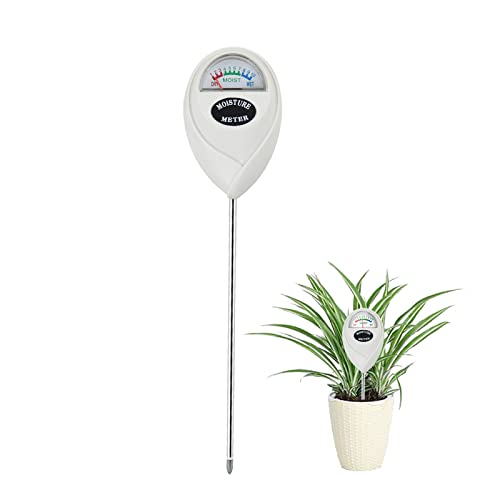
【SAVE YOUR PLANTS】: Over watering can cause problems with your plants or even kill them. This soil moisture meter helps you know the soil is dry, moist or wet.No more over watering!
Importance of Proper Watering
Proper watering directly affects lettuce growth and flavor. Consistent moisture helps maintain crisp leaves, preventing bitterness. Overwatering can suffocate roots and encourage disease. Aim for soil that feels damp but not soggy. You can test this by sticking your finger about an inch into the soil; if it feels dry, it’s time to water.
Factors Influencing Water Requirements
Several factors influence how much water lettuce needs:
- Soil Type: Sandy soils drain quickly and require more frequent watering. Clay soils retain moisture longer, so they need less water.
- Weather Conditions: Hot, sunny days increase water evaporation, requiring additional irrigation. Conversely, cooler, cloudy days reduce water needs.
- Plant Size: Young seedlings need less water than fully grown lettuce. Adjust your watering schedule as plants mature.
- Growth Stage: Lettuce plants require more water during the leaf development stage compared to when they’re establishing roots.
- Container vs. Ground: Lettuce in containers dries out faster than ground-planted lettuce. Monitor containers closely and adjust watering accordingly.
By understanding these factors, you can better manage your watering routine and keep your lettuce thriving.
Signs of Overwatering Lettuce
Recognizing the signs of overwatering lettuce helps you maintain healthy plants. Here are some key indicators to watch for.
Recommended Products

Revive plants affected by poor soil airflow by increasing oxygen around roots and helping prevent root rot caused by excess moisture.

COMPLETE KIT: Set includes 15 plant aeration tubes made of durable PP plastic and 1 metal soil loosening tool for comprehensive root care and ventilation needs

4-Hole Side Design: This high-performance tree watering spike makes it easy to deliver water and fertilizer directly to the root zone. The upgraded side-hole design helps improve watering efficiency, while the sharp tip makes it easy to push into hard or compact soil. The 4 side outlets help reduce clogging and distribute water more evenly for deep root watering and feeding.
Leaf Wilting and Yellowing
Leaves that wilt or turn yellow often signal overwatering. Soft, limp leaves may appear droopy, losing their firmness. Additionally, yellowing usually starts at the bottom and can spread upward. This change indicates that the roots struggle to take up water and nutrients due to waterlogged conditions. If you notice these symptoms, reduce your watering frequency and ensure proper drainage.
Root Health Indicators
Healthy roots appear white and firm. However, overwatered roots often look brown and mushy. You can check root health by gently pulling the plant from the soil. Look for signs of rot, such as a slimy texture. Roots impacted by excess moisture struggle to provide the necessary nutrients to the leaves, leading to overall poor plant health. If rot is present, consider repotting or adjusting your watering routine.
Best Practices for Watering Lettuce
Watering lettuce requires attention for optimal growth. Maintaining consistent moisture promotes healthy leaves without risking overwatering.
Recommended Products
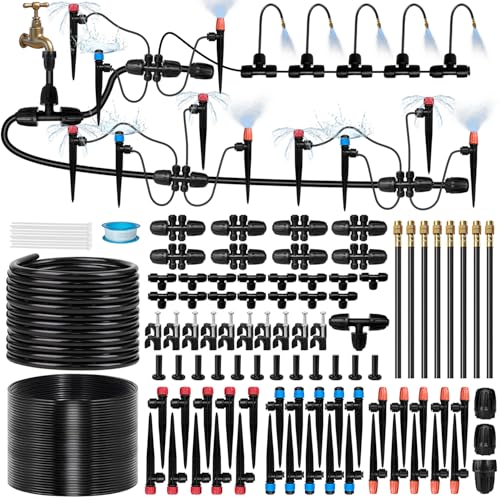
【Upgraded Tube Design & Water Saving】 Our garden watering system is upgraded to 1/2” diameter to support high water pressure. The 1/2” tee connector allows seamless splitting into 2 independent zones for customized watering schedules. By delivering moisture directly to root zones, this drip Irrigation system significantly reduces evaporation and runoff—saving more water compared to conventional sprinklers while eliminating the need for manual watering.

Automatic Drip Irrigation System Kit: The universal connector adapts to different tubing sizes with a secure, leak-free fit; the dual-channel connector splits a single line into two separate watering paths for multi-zone irrigation. The garden bed watering system includes 100FT 1/4" Water Pipe, Cable Ties x 24, Universal Connector x 1, Dual Channel Connector x 1, Quick Tees x 24, Sealing Tape x 1, Fixing Clips x 24, End Plus x 4, and Brass Nozzles x 24. Simply unbox and start building automatic misting system.

【Upgraded Tube Design & Water Saving】 Our adjustable garden watering system is upgraded to 1/2” diameter to support high water pressure. The 1/2” tee connector in the package so you can easily set up 2 drip irrigation systems as needed. Garden watering systems minimize stage water loss by recharging water directly to plant roots. While traditional irrigation often results in wasted water, this drip irrigation system saves up to 70% of water, no need for manual watering, saves water.
Soil Moisture Management
Check your soil moisture regularly. Use your finger to test the top inch of soil; if it feels dry, it’s time to water. Ideally, lettuce prefers soil that’s consistently damp but not soaked. Consider using a moisture meter for accurate readings. Adjust your watering based on the soil type; sandy soil drains quickly, while clay soil retains more moisture. Remember, overwatering can lead to root rot, so avoid watering if the soil remains wet from previous days.
Timing and Frequency of Watering
Water your lettuce early in the morning. This allows plants to absorb moisture before the sun heats the soil. Depending on weather conditions, water every two to three days. In hotter climates, you might need to water daily. It’s essential to observe your plants; if you notice drooping leaves, they might be thirsty. Drip irrigation systems can deliver water directly to the roots, reducing waste and minimizing disease risk. Adjust watering frequency based on rainfall; always prioritize the health of your lettuce plants.
Common Myths About Lettuce Watering
Understanding the myths around watering lettuce helps you better care for your plants. Here are two prevalent misconceptions that can lead to poor watering practices.
Myth: More Water Equals Faster Growth
You might think that giving lettuce more water speeds up its growth. In reality, overwatering creates adverse conditions that harm the roots. Roots need air to breathe, and excess water deprives them of oxygen. This leads to root rot and stunted growth. Instead, aim for consistently moist soil—not soggy soil—to support healthy growth. Monitor the soil moisture regularly and water only when the top inch feels dry.
Myth: All Lettuce Types Require the Same Watering
You may believe that all types of lettuce need the same amount of water. Different lettuce varieties, like romaine, butterhead, and leaf lettuce, have varying water requirements. For instance, romaine prefers slightly drier soil compared to butterhead, which thrives in consistently moist conditions. Research specific needs for your chosen variety and adjust your watering schedule accordingly. Regularly check moisture levels based on each type’s requirements to promote optimal growth.
Conclusion
Taking care of your lettuce means paying close attention to how much water it gets. Overwatering can lead to problems that affect both the plant’s health and your harvest. By understanding your lettuce’s specific needs and keeping an eye on the soil moisture you can ensure your plants thrive.
Remember that each variety has its own preferences so adjust your watering routine accordingly. With a little practice and observation you’ll be on your way to growing delicious lettuce without the worry of overwatering. Happy gardening!
Frequently Asked Questions
Why is proper watering important for lettuce plants?
Proper watering is crucial for lettuce as it helps prevent issues like root rot and stunted growth. Consistent moisture promotes healthy growth and enhances the flavor of the leaves.
What factors affect the water needs of lettuce?
Lettuce water needs vary based on soil type, growth stage, and environmental conditions. For example, sandy soils require more frequent watering than clay soils.
How can I tell if my lettuce is overwatered?
Signs of overwatering in lettuce include leaf wilting, yellowing, and softened stems. If you notice these symptoms, reduce watering immediately.
What are the best practices for watering lettuce?
To water lettuce effectively, maintain consistent moisture levels, monitor soil moisture, adjust watering according to soil type, and consider using drip irrigation systems for efficiency.
Are there myths about lettuce watering I should know?
Yes, common myths include the belief that more water leads to faster growth and that all lettuce varieties have the same water requirements. It’s vital to understand that different varieties need tailored watering schedules.
