

Have you ever wondered if you can keep enjoying fresh lettuce from your garden without replanting? You’re not alone. Many gardeners face the same question, especially when they want to maximize their harvest.
Imagine stepping outside to pick crisp greens for your salad, knowing you can do it again in just a few weeks. This article will guide you through the process of harvesting lettuce multiple times, helping you make the most of your gardening efforts. You’ll discover the best techniques to ensure your lettuce keeps growing and providing delicious leaves throughout the season.
Key Takeaways
- Multiple Harvests are Possible: You can enjoy lettuce multiple times through the “cut and come again” method, picking outer leaves while allowing inner leaves to continue growing.
- Best Timing: Harvest lettuce when leaves reach 6 to 8 inches long for optimal taste and tenderness, checking plants every few days to promote rapid regrowth.
- Select the Right Varieties: Choose loose-leaf varieties like ‘Buttercrunch’ and ‘Red Romaine’ or baby greens like ‘Mesclun’ for successful repeated harvests.
- Maintain Soil and Watering: Ensure loose, well-drained soil and keep moisture consistent, avoiding soggy conditions. Aim for cooler temperatures to prevent bolting.
- Pest and Disease Management: Regularly monitor for pests like aphids and diseases such as downy mildew, using organic methods for effective control.
- Extend Your Growing Season: By regularly harvesting and maintaining your plants, you can prolong the availability of fresh lettuce for several months.
Can You Harvest Lettuce More Than Once?
Yes, you can harvest lettuce more than once. This method, known as “cut and come again,” allows you to enjoy fresh greens multiple times during the growing season. Here’s how to do it effectively:
Recommended Products
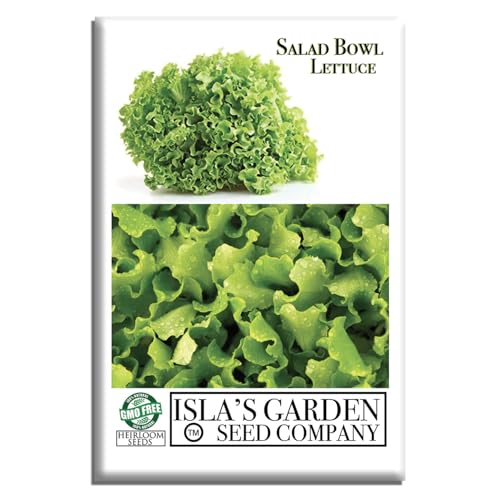
🥬 Includes 1,000+ Non-GMO Heirloom Salad Bowl Lettuce Seeds (Lactuca sativa) — a tender, oakleaf-type variety producing loose, ruffled leaves with a mild, sweet flavor perfect for salads, sandwiches, and wraps.
🥬 Tender Oakleaf Cut-and-Come-Again Variety: Salad Bowl Lettuce is a classic loose-leaf oakleaf variety known for its deeply lobed leaves and tender texture. These productive plants allow gardeners to harvest outer leaves repeatedly, making it ideal for cut-and-come-again harvesting. Gardeners appreciate this variety for its steady production of mild, flavorful greens perfect for fresh salads and garden meals.

Complete Lettuce Garden Starter Kit Indoor – 5 heirloom salad and green seed packets, 8 biodegradable soil disks, 8 plant markers, and 8 starter pots. Romaine, Spinach, Arugula, Kale and Buttercrunch lettuce heirloom seeds are the star of the set!
Techniques for Multiple Harvests
- Selective Harvesting: Pick outer leaves while leaving the inner leaves to continue growing. This approach encourages the plant to produce new growth.
- Timing: Harvest when leaves reach about 6 to 8 inches long. This size provides a balance of taste and tenderness.
- Regular Maintenance: Check your lettuce every few days. Picking regularly promotes faster regrowth.
Best Varieties for Repeated Harvests
- Loose-Leaf Lettuce: Varieties such as ‘Buttercrunch’ and ‘Red Romaine’ thrive under repeated harvesting.
- Baby Leaf Greens: ‘Mesclun’ mixes are ideal for quick harvests since they grow rapidly.
Growing Conditions for Success
- Soil Quality: Loose, well-drained soil rich in organic matter promotes healthy growth.
- Watering: Keep soil consistently moist but not soggy. Lettuce prefers cooler temperatures and can bolt in heat, reducing harvest quality.
- Sunlight: Aim for partial shade, especially during the hottest parts of the day. Too much sun can stress the plants.
- Pests: Watch for aphids and slugs, as they can damage your lettuce. Use natural repellents or insecticidal soap to manage infestations.
- Diseases: Identify signs of downy mildew or root rot early. Avoid overcrowding plants and provide good airflow to reduce disease risks.
By implementing these strategies, you can enjoy a continuous supply of fresh lettuce throughout the season without the need for constant replanting.
Benefits of Multiple Harvests
Harvesting lettuce multiple times offers various advantages, ensuring you enjoy a steady supply of fresh greens throughout the season.
Increased Yield
Increased yield is a primary benefit of multiple harvests. By practicing “cut and come again,” you can harvest outer leaves while allowing the inner ones to continue growing. For instance, harvesting a single mature head of butterhead lettuce yields about 1-2 heads. In contrast, repeated harvests can provide 3-4 times more leafy greens over the same period. This method maximizes your garden’s output without requiring additional planting.
Extended Growing Season
Extended growing seasons complement the harvest strategy. You can prolong the availability of fresh lettuce by harvesting regularly and properly maintaining the plants. For example, if you harvest every 2-3 weeks, your lettuce can thrive for up to 3 months in suitable conditions. Warm weather can lead to bolting, so picking leaves frequently reduces the risk and encourages robust new growth. Implementing proper soil and watering practices also contributes to sustaining an extended growing season, keeping your lettuce patch producing longer.
Techniques for Multiple Harvests
Lettuce can thrive with multiple harvests through effective techniques. Utilizing methods like the cut-and-come-again approach enhances your yield and provides continuous greens throughout the season.
Recommended Products

The blades are made of Japanese high-quality stainless steel and rounded outside edges to protect and reduce product or stem damage.

Chop Salad in the Bowl: These salad chopper scissors turn a bowl of lettuce and toppings into a finely chopped salad. The salad cutter tool has a curved anti-splash head and needs no chopping board
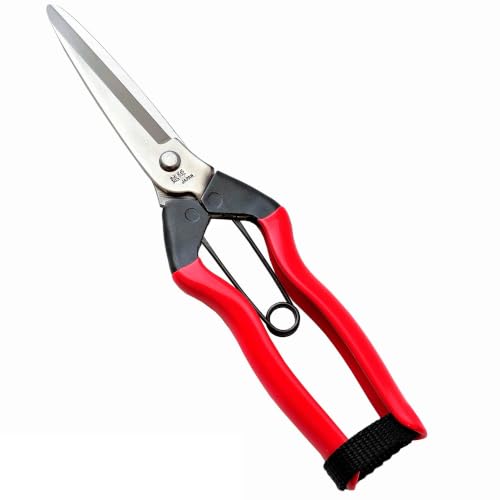
[JAPANESE HARVEST SCISSORS] Perfect gardening scissors for harvesting fruits and vegetables, trimming garlic and onion stems, and cutting roots. The rounded tips prevent accidental damage to fruits, allowing you to harvest cleanly without bruising or cutting the skin.
Cut-and-Come-Again Method
The cut-and-come-again method involves harvesting outer leaves while allowing the inner leaves to continue growing. To implement this technique, follow these steps:
- Choose the Right Timing: Harvest the outer leaves when they reach around 4-6 inches in length. This promotes sustained growth.
- Use Sharp Tools: Always use sharp scissors or garden shears to avoid damaging the plant. Clean cuts minimize stress on the leaves.
- Leave Sufficient Leaves: Remove only 1/3 to 1/2 of the outer leaves. This ensures enough foliage remains for photosynthesis and future growth.
- Water Regularly: Keep the plants well-watered to promote faster regrowth after cutting. Aim for consistent moisture for optimal results.
Selecting Regenerative Varieties
Selecting the right lettuce varieties can significantly impact your success with multiple harvests. Some lettuce types regenerate more effectively than others. Consider these varieties:
- Butterhead: Known for its tender leaves, butterhead varieties like ‘Boston’ or ‘Bibb’ produce new leaves quickly after harvesting.
- Looseleaf: Varieties such as ‘Red Romaine’ and ‘Green Coral’ grow rapidly and are well-suited for continuous harvesting.
- Frisée: This curly-leaf lettuce not only adds texture but also regenerates effectively. Harvest outer leaves while allowing the central crown to thrive.
Incorporate these techniques and select the right varieties to maximize your lettuce harvests. With proper care, you can enjoy fresh, homegrown lettuce for several months.
Best Practices for Harvesting Lettuce
Harvest lettuce efficiently to prolong growth and ensure quality. Following these best practices will maximize your harvests and keep your plants healthy.
Timing Your Harvests
Harvest at the right times for optimal leaves. Best practice involves picking lettuce when leaves reach 4-6 inches in height, ensuring they’re mature but still tender. Monitor growth regularly and aim to harvest in the morning when temperatures are cooler. Cool conditions preserve flavor and crunch. If you’re practicing the cut-and-come-again method, harvest outer leaves regularly at 1-2-inch intervals, allowing inner leaves time to grow.
Ensuring Plant Health
Maintain healthy plants for continuous harvesting. Water lettuce consistently, providing around 1 inch of water per week to prevent wilting. Check soil quality and amend with organic matter to enhance drainage and nutrient retention. Protect against pests by using row covers or natural repellents. Regularly inspect your plants for signs of disease, like wilt or discoloration. Remove affected leaves promptly to prevent spread. Healthy plants can yield multiple harvests over several months, allowing you to enjoy fresh greens longer.
Challenges and Considerations
Navigating the challenges of multiple lettuce harvests enhances your gardening success. Focus on pest control and environmental conditions to ensure a continuous supply of fresh greens.
Pest and Disease Management
Managing pests and diseases is crucial for healthy lettuce. Use integrated pest management (IPM) techniques.
- Monitor plants regularly for signs of pests like aphids and slugs.
- Use beneficial insects, such as ladybugs, to reduce pest populations naturally.
- Implement organic pesticides when necessary, following application guidelines carefully.
- Rotate crops each season to minimize disease recurrence and maintain soil health.
- Remove any infected plants immediately to prevent the spread of diseases like downy mildew.
Environmental Factors
Environmental factors significantly influence your lettuce yield. Ensure optimum growing conditions for the best results.
- Light: Aim for 6 to 8 hours of direct sunlight daily for robust growth.
- Temperature: Cultivate lettuce in cooler temperatures, ideally between 60°F and 70°F, to enhance flavor and prevent bolting.
- Soil: Maintain well-draining, nutrient-rich soil for healthy roots. Test soil pH, keeping it between 6.0 and 7.0 for optimum growth.
- Watering: Water regularly, ensuring soil stays moist but not waterlogged. Aim for about 1 inch of water per week, adjusting during dry spells.
- Spacing: Thin seedlings to allow adequate airflow and reduce competition for nutrients, promoting healthier plants.
By addressing pest management and environmental factors, you can optimize your multiple lettuce harvests and enjoy continuous greens throughout the season.
Conclusion
Growing lettuce can be a rewarding experience when you know how to maximize your harvest. By using techniques like the “cut and come again” method you can enjoy fresh greens for a longer period. Remember to keep an eye on pests and maintain healthy soil to ensure your plants thrive.
With the right care and attention you can create a continuous supply of delicious lettuce right from your garden. So get out there and start harvesting—your salads will thank you!
Frequently Asked Questions
What is the “cut and come again” technique for lettuce?
The “cut and come again” technique involves harvesting the outer leaves of lettuce while allowing the inner leaves to continue growing. This method enables multiple harvests from a single plant, extending the growing season and maximizing yields.
Which lettuce varieties are best for this technique?
Leafy varieties like Butterhead, Romaine, and Looseleaf are ideal for the “cut and come again” technique. These cultivars grow back quickly after harvesting, making them perfect for continuous supply throughout the growing season.
How do I manage pests while growing lettuce?
To effectively manage pests, monitor your plants regularly, introduce beneficial insects, and use organic pesticides when necessary. Crop rotation and maintaining healthy soil are also essential for preventing pest infestations and supporting robust growth.
What environmental factors affect lettuce growth?
Lettuce thrives in well-draining soil with adequate light, consistent temperatures (ideally 60-70°F), and proper watering. Spacing your plants appropriately also ensures they receive enough nutrients and air circulation for optimal growth.
How can I improve soil health for better lettuce yields?
Improving soil health involves adding organic matter like compost, ensuring proper drainage, and conducting regular soil tests for nutrient levels. Crop rotation and mulching also promote healthier soil, which results in better yields for your lettuce plants.
