

Have you ever wondered if you can grow spinach and lettuce side by side in your garden? If you’re looking to maximize your space and enjoy fresh greens, this question is more relevant than ever. Both crops are popular for their nutritional benefits and versatility in the kitchen, but they also have unique growing needs.
Key Takeaways
- Companion Planting Benefits: Growing spinach and lettuce together allows for efficient nutrient utilization, as they have varying root depths, and can deter pests, leading to healthier crops.
- Ideal Growth Conditions: Both crops thrive in well-draining soil with a pH of 6.0 to 7.0, and they require full sun to partial shade with at least 6 hours of sunlight daily.
- Efficient Space Utilization: Planting lettuce on the surface while allowing spinach to grow beneath optimizes garden space, effectively doubling your yield in small areas.
- Planting Techniques: Utilize proper seed spacing (12 inches for spinach and 10-12 inches for lettuce) and stagger planting to extend your harvest season.
- Regular Maintenance: Consistent watering, mulching for moisture retention, pest monitoring, and fertilizing every four to six weeks are essential for a successful crop yield.
Understanding Companion Planting
Companion planting involves growing different crops in proximity for mutual benefits. It’s an essential technique for maximizing garden efficiency and improving plant health. You can enhance nutrient uptake and deter pests by pairing compatible plants.
Benefits of Companion Planting
- Nutrient Utilization: Some plants, like lettuce and spinach, have varying root depths. Lettuce grows shallow roots while spinach roots go deeper, allowing efficient use of soil nutrients.
- Pest Control: Certain plants can repel harmful insects. For instance, planting marigolds nearby can deter pests that threaten your greens.
- Microclimate Creation: Taller plants can provide shade for shorter ones, helping to regulate temperature and moisture levels.
Tips for Successful Companion Planting
- Choose Compatible Crops: Spinach and lettuce thrive together, as they both prefer similar growing conditions, like cooler temperatures and consistent moisture.
- Plan Layout: Space plants adequately to allow for airflow and growth. Aim for rows with at least 8-10 inches between plants.
- Monitor Growth: Regularly check for signs of pests or disease. Healthy plants reciprocally benefit each other.
Example Combinations
- Spinach and Lettuce: Both grow well in similar soil types and conditions.
- Radishes and Spinach: Radishes can act as a trap crop, drawing pests away from spinach.
- Beans and Lettuce: Beans, known for fixing nitrogen, can boost soil fertility beneficially affecting nearby lettuce.
- Spring Planting: In early spring, sow both spinach and lettuce seeds a few weeks before the last frost date.
- Succession Planting: Follow harvest by replanting with a quick-growing crop, which maintains productivity in the garden.
Utilizing companion planting principles can lead to a thriving garden. You gain multiple benefits, from healthier crops to increased yields, simply by choosing the right combinations and layouts in your space.
Benefits Of Growing Spinach And Lettuce Together
Growing spinach and lettuce together offers multiple advantages for gardeners seeking to maximize their yield and health of the crops.
Recommended Products
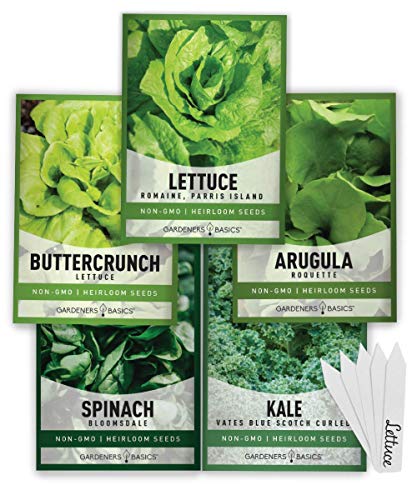
Five leafy greens varieties: Plant Parris Island romaine lettuce seeds, Buttercrunch lettuce seeds, Roquette arugula seeds, Vates Blue Scotch Curled kale seeds, and Bloomsdale spinach seeds. Includes 4,500+ seeds in five separate labeled packets.

USDA Certified Organic by Oregon Tilth

Beautiful - Bloomsdale Spinach (Spinacia oleracea), Arugula (Eruca sativa), Lacinato Kale (Brassica oleracea var. palmifolia), Bronze Arrow Lettuce (Lactuca sativa), Black Knight Tat Soi (Brassica rapa var. narinosa), Buttercrunch Lettuce (Lactuca sativa), White Stem Pak Choi (Brassica rapa subsp. chinensis), Greenwave Mustard Greens (Brassica var. Greenwave), Corn Salad Lamb’s Lettuce (Valerianella locusta), and Fordhook Swiss Chard (Beta vulgaris var. cicla).
Improved Space Utilization
Utilizing vertical space becomes easier with spinach and lettuce. Both crops thrive in similar conditions but occupy different levels of the garden bed. Planting lettuce on the surface allows spinach to grow beneath, making efficient use of every inch. For instance, in a 4-foot by 4-foot square, you can grow several heads of lettuce alongside rows of spinach, creating a lush garden with double the produce.
Pest Management
Effective pest control benefits from companion planting. Spinach and lettuce repel certain pests when grown together. For example, the aroma of spinach can deter aphids, which often target lettuce. You not only promote healthier crops but also reduce the need for chemical treatments. Encouraging beneficial insects, like ladybugs and lacewings, can further minimize pest issues. Planting marigolds near your spinach and lettuce enhances this protection, as they attract these helpful insects.
Ideal Conditions For Growing Together
To successfully grow spinach and lettuce together, create conditions that favor both crops. Focus on maintaining optimal soil and light conditions.
Recommended Products

【High Quality ,More sizes, Give you more choices】- Our Shade Cloth can resist rays and most sunlight while air can still flow through so as to create a comfortable cool and shaded place for people or plants.

Balanced 40%-55% Shade for Healthy Plant Growth - Provides sun protection without overly blocking sunlight. Helps reduce heat stress, leaf burn and moisture loss while still allowing enough light for vegetables, flowers and greenhouse plants during hot summer weather.
【 Sunshade and Breathable 】- Our Shade Cloth can resist rays and most sunlight while air can still flow through so as to create a comfortable cool and shaded place for people or plants.
Soil Requirements
You want well-draining soil for both spinach and lettuce. A pH between 6.0 and 7.0 works best. Mixing organic matter like compost improves soil fertility and structure. Avoid compacted soil; it limits root growth. Aim for a loose, loamy texture that retains moisture while draining excess water. You might consider adding a layer of mulch to maintain soil humidity and regulate temperature.
Light Preferences
Both spinach and lettuce thrive in full sun to partial shade. Aim for at least 6 hours of sunlight daily. In hotter climates, some afternoon shade helps prevent bolting, especially for lettuce. Monitor your plants closely, as they might show signs of stress if exposed to too much heat. A great option is to set up a shade cloth during peak sunlight hours, which can protect your crops without limiting growth.
Tips For Successful Growth
Growing spinach and lettuce together can yield great results with the right techniques and care. Focus on creating an environment that supports both crops effectively.
Recommended Products

10-Variety Lettuce Seed Collection – Enjoy a continuous harvest of fresh, flavorful greens! This lettuce seed collection includes Bloomsdale Spinach, Lacinato Kale, Arugula, Black Seeded Simpson, Red Romaine, Iceberg, Buttercrunch, Grand Rapids TBR, Parris Island Cos, and Lolla Rossa Lettuce.

4 Popular Heirloom Lettuce Varieties: Includes Red Romaine, Bibb Butterhead, Black Seeded Simpson, and Green Ice lettuce seeds to grow crisp, tender, and colorful salad greens with balanced flavor, texture, and visual appeal.

Complete Lettuce Garden Starter Kit Indoor – 5 heirloom salad and green seed packets, 8 biodegradable soil disks, 8 plant markers, and 8 starter pots. Romaine, Spinach, Arugula, Kale and Buttercrunch lettuce heirloom seeds are the star of the set!
Planting Techniques
- Seed Placement: Space spinach seeds about 12 inches apart and lettuce seeds around 10 to 12 inches apart. This setup allows ample room for both crops to grow without overcrowding.
- Row Orientation: Plant in rows running north to south. This orientation maximizes sunlight exposure for both crops, ensuring even growth.
- Staggered Planting: To extend your harvest, stagger your planting. Plant spinach seeds every two weeks, while lettuce can be sown more frequently due to its quicker growth cycle.
- Soil Preparation: Enrich the soil with compost or aged manure before planting. Aim for a well-draining, fertile mix with organic material for optimal nutrient retention.
- Consistent Watering: Keep the soil consistently moist, especially during the germination phase. Aim for about 1 inch of water per week, adjusting for rainfall.
- Mulching: Apply a 2-3 inch layer of mulch around your plants. Mulch retains moisture, regulates soil temperature, and suppresses weeds.
- Pest Monitoring: Regularly inspect plants for pests. Look for signs of aphids or slugs, which can affect lettuce. Use organic methods like neem oil or insecticidal soap for control.
- Fertilizing: Fertilize every four to six weeks during the growing season. Opt for a balanced fertilizer suitable for leafy greens to promote healthy growth.
Following these tips ensures a bountiful harvest of both spinach and lettuce, providing you with fresh greens for your meals.
Conclusion
Growing spinach and lettuce together can be a rewarding experience for your garden. By utilizing companion planting techniques you can maximize your space while enjoying the benefits of both crops. With a little planning and attention to their specific needs you’ll likely see healthier plants and a more fruitful harvest.
Remember to keep an eye on soil conditions and ensure they get enough sunlight. By following the tips shared you can create an environment where both spinach and lettuce thrive. So go ahead and give it a try—your taste buds will thank you for the fresh greens!
Frequently Asked Questions
Can spinach and lettuce be grown together?
Yes, spinach and lettuce can be grown together successfully. Both crops thrive in similar conditions and occupy different levels of space in the garden bed, allowing for efficient use of area and potentially doubling your yield.
What are the benefits of companion planting with spinach and lettuce?
Companion planting can improve nutrient utilization, aid in pest control, and create beneficial microclimates. Growing spinach alongside lettuce helps deter pests like aphids, promoting healthier plants and reducing the need for chemicals.
What soil conditions are best for growing spinach and lettuce?
Both crops prefer well-draining soil with a pH between 6.0 and 7.0. Adding organic matter like compost enhances fertility and structure. Loose, loamy soil helps roots grow without compaction, ensuring optimal moisture retention.
How much sunlight do spinach and lettuce need?
Spinach and lettuce require at least 6 hours of sunlight daily. In hotter climates, providing some afternoon shade can prevent lettuce from bolting, and using shade cloth can protect the crops while allowing them to grow.
What are tips for planting spinach and lettuce together?
To plant spinach and lettuce together, use proper techniques like staggered planting and row orientation to extend the harvest. Ensure good soil preparation, consistent watering, mulching, and regular fertilization for a successful garden.
