

Ever wondered if you can enjoy fresh lettuce all year round? If you love salads but find yourself stuck with store-bought greens during the colder months, you’re not alone. Many home gardeners face the same challenge.
Key Takeaways
- Lettuce Growth Conditions: Optimal temperatures for growing lettuce range from 60°F to 70°F; extreme heat or cold can hinder growth.
- Varieties Matter: Different types of lettuce, such as Romaine, Butterhead, and Leaf Lettuce, each thrive under varying conditions, making selection essential.
- Growing Methods: Lettuce can be grown directly in the ground or in containers; both methods have unique benefits, including space efficiency and soil control.
- Lighting and Watering Needs: Ensure at least 12 hours of light daily and consistent soil moisture to promote healthy lettuce growth.
- Pest Management: Regular inspections and natural remedies like insecticidal soap can help mitigate common pests affecting lettuce crops.
- Year-Round Options: Utilizing hydroponics or greenhouses can effectively extend the growing season, allowing for fresh lettuce production throughout the year.
Understanding Lettuce Growth
Lettuce thrives in specific conditions, making it adaptable for year-round growth. Understanding these conditions is key to successful cultivation.
Ideal Temperature Ranges
Lettuce grows best in temperatures between 60°F and 70°F. When temperatures fall below 40°F, growth slows significantly. Warmer temperatures above 80°F can cause bolting, leading to bitterness. To optimize growth, consider using season extension tools like hoop houses or cold frames during colder months.
Types of Lettuce
Different lettuce varieties offer unique growth characteristics. Consider these popular types:
- Romaine: Provides crisp leaves and grows well in cooler temperatures.
- Butterhead: Known for its tender leaves, it prefers slightly warmer conditions.
- Leaf Lettuce: Tolerates a range of temperatures and grows quickly, making it ideal for continuous harvests.
Growing Methods
You can grow lettuce directly in the ground or in containers. Each method has its benefits:
- In-Ground: Provides ample space and moisture retention.
- Container Gardening: Offers flexibility and control over soil quality. Ensure containers have drainage holes to prevent waterlogging.
Lighting Requirements
Lettuce requires at least 12 hours of light daily for optimal growth. If natural sunlight is limited, consider supplemental grow lights. Fluorescent lights work well, especially for indoor gardening.
Watering Needs
Lettuce has shallow roots and needs consistent moisture. Water the plants when the top inch of soil feels dry. Use a drip irrigation system for efficient moisture management, reducing the risk of over or under-watering.
Fertilization Tips
Use a balanced fertilizer high in nitrogen to promote healthy growth. Apply it every four weeks during the growing season. Compost also improves soil fertility and enhances growth by providing essential nutrients.
Pest Management
Common pests like aphids and slugs can affect your lettuce. Regularly inspect your plants and employ natural remedies like insecticidal soap or diatomaceous earth if infestations occur. Crop rotation also helps mitigate pest problems.
Troubleshooting Growth Problems
If your lettuce faces challenges, such as wilting or yellowing leaves, check for issues like inadequate watering or poor soil drainage. Adjust your care routine to address these issues promptly.
By understanding these key aspects of lettuce growth, you can successfully cultivate fresh greens throughout the year, ensuring a steady supply of delicious salads regardless of the season.
Factors Affecting Lettuce Growth Year Round
Several factors influence your ability to grow lettuce throughout the year. Understanding these elements can help you create the ideal conditions for your growing greens.
Recommended Products

【High Quality ,More sizes, Give you more choices】- Our Shade Cloth can resist rays and most sunlight while air can still flow through so as to create a comfortable cool and shaded place for people or plants.

75% Black Shade Cloth for Outdoor Garden Plants: 6.5 x 5 FT 75% garden plant shade is designed to block 50% of sunlight, reduce heat and prevent sun damage while allowing air circulation and rain through, creating a cool and comfortable environment outdoors for plants, pets, or yards.
Climate Considerations
Climate significantly impacts lettuce growth. Lettuce thrives best in temperatures between 60°F and 70°F. Extreme heat can cause bolting, leading to a bitter taste. When temperatures exceed 75°F, consider shade cloth to protect your plants. Conversely, temperatures below 40°F can stunt growth. If you’re in a colder region, a greenhouse or cold frame can maintain a suitable environment for your lettuce.
Soil Requirements
Soil quality is crucial for lettuce cultivation. Choose nutrient-rich, well-draining soil with a pH between 6.0 and 7.0 for optimal results. Incorporating compost or aged manure before planting enriches the soil. Regular testing ensures you meet nutrient needs. Maintaining consistent moisture in the soil will also prevent issues like root rot while promoting strong growth.
By focusing on these factors—climate and soil—you can enhance your chances of successful lettuce gardening year-round.
Methods of Growing Lettuce Year Round
Growing lettuce year-round is completely achievable through specific methods. Let’s delve into two effective approaches: indoor hydroponics and greenhouse cultivation.
Indoor Hydroponics
Hydroponics is a soilless method that relies on water and nutrient solutions. This method allows you to control the environment closely, promoting rapid growth.
- Choose the Right System: Deep water culture, nutrient film technique, or aeroponics work well for lettuce. Each system has unique benefits, so select one that suits your space and budget.
- Maintain Ideal Conditions: Keep temperatures between 60°F and 70°F. Ensure that the nutrient solution has the right pH level, ideally between 5.5 and 6.5.
- Ensure Proper Lighting: Use grow lights for 12-16 hours daily. LED lights are energy-efficient and effective for indoor setups.
- Monitor and Adjust Nutrients: Regularly check nutrient levels and replace the solution every two weeks to keep plants healthy.
Greenhouse Cultivation
Greenhouses provide a controlled environment, ideal for growing lettuce year-round. They protect plants from extreme weather while maximizing sunlight exposure.
- Select the Right Greenhouse Type: Choose a structure that fits your space. Options include freestanding, lean-to, or hoop houses.
- Manage Temperature: Use heaters or fans to maintain a stable temperature. Ventilation is crucial, especially during hot months to prevent overheating.
- Optimize Light Exposure: Position your greenhouse to capture maximum sunlight. Use shading materials during peak summer to reduce light intensity and heat.
- Utilize Hydroponics or Soil: You can grow lettuce in pots with well-draining soil or integrate hydroponic systems. Ensure consistent moisture levels to support healthy growth.
By leveraging these methods, you can enjoy fresh lettuce all year, regardless of external conditions.
Common Challenges and Solutions
Growing lettuce year-round presents various challenges, but understanding these hurdles and finding effective solutions can lead to successful gardening.
Recommended Products

Ultra-Fine Mesh Netting: Large Size 2pack 10x33 Feet provide more security, Ultra Fine Garden Netting has a 0.04in ultra-fine mesh, It also allows sunlight | artificial light as well as air and rain to pass through. Light material, no burden for plant buds. Provide healthy growth environment for plants. Tip:(Not two packages, it's one package with two 10*33FT garden nets inside)
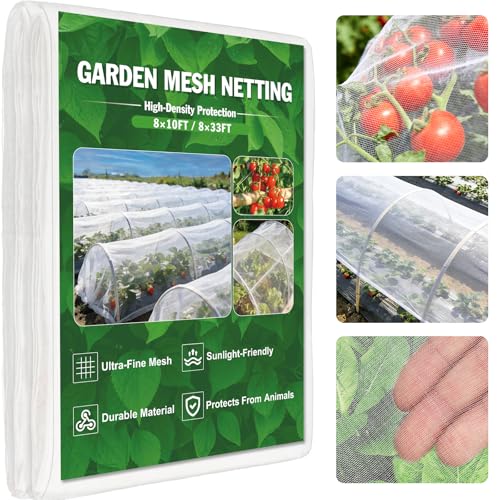
【Upgraded Fine Mesh Netting】This fine mesh garden netting uses 0.7*0.8mm high-density garden insect netting to block, birds, and small animals, offering reliable plant protection netting for vegetables and flowers
Pest Management
Pests can threaten your lettuce crop. Common offenders include aphids, slugs, and caterpillars. Regular inspections of your plants can help spot these pests early. For aphids, use insecticidal soap or neem oil. Slugs respond well to copper tape around the base of your pots or soil. Handpicking caterpillars off your plants allows for direct removal.
Enhancing the habitat of beneficial insects, like ladybugs and lacewings, can promote natural pest control. Consider planting flowers nearby to attract these friends. Additionally, using row covers can protect your lettuce from many pests while allowing light and moisture to reach the plants.
Temperature Control
Maintaining the ideal temperature is crucial for growing lettuce year-round. Lettuce thrives best between 60°F and 70°F. During hot summer months, excessive heat can cause bolting, which makes your lettuce bitter. Use shade cloth to shield your plants when temperatures exceed 75°F.
In colder climates, using a greenhouse or cold frame can help moderate temperature fluctuations. Make sure to monitor the humidity levels inside the greenhouse as well. Utilize thermostats and fans to maintain airflow. Regularly check soil temperature too, as cold soil can stunt growth. By ensuring optimal temperatures, you can enjoy crisp lettuce throughout the year.
Conclusion
Growing lettuce year-round is totally possible with the right approach. By understanding your plants’ needs and creating optimal conditions you can enjoy fresh greens no matter the season. Whether you choose to grow indoors using hydroponics or in a greenhouse you’ll find that a little planning goes a long way.
Keep an eye on temperature and moisture levels and don’t forget to manage pests effectively. With some patience and care your lettuce garden can thrive throughout the year. So go ahead and get started on your journey to fresh salads anytime you want!
Frequently Asked Questions
What types of lettuce can I grow year-round?
You can grow various types of lettuce year-round, including Romaine, Butterhead, and Leaf Lettuce. Each type has unique growing characteristics and thrives in specific conditions. Experiment with different varieties to find the ones you enjoy most.
What temperature is ideal for growing lettuce?
Lettuce thrives best in temperatures between 60°F and 70°F. Maintaining this temperature range is crucial to prevent issues like bolting and bitter taste. Consider using shade cloth or a greenhouse to protect your plants from extreme heat.
How can I grow lettuce indoors?
Growing lettuce indoors is possible through methods like hydroponics or container gardening. Ensure you provide adequate lighting, consistent watering, and nutrient-rich, well-draining soil for optimal growth. A sunny spot or supplemental grow lights is essential for success.
What are common pests to watch out for when growing lettuce?
Common pests that affect lettuce include aphids, slugs, and caterpillars. To manage these pests, you can use insecticidal soap, copper tape, or handpicking. Encouraging beneficial insects and using row covers can also help protect your plants.
How do I prevent bolting in lettuce?
To prevent bolting, keep lettuce in a temperature range below 75°F. Using shade cloth during hot weather can help maintain cooler temperatures. Additionally, ensure consistent watering and avoid stressors that may trigger the plants to flower too early.
What are the best growing methods for lettuce year-round?
For year-round lettuce production, the best methods include indoor hydroponics and greenhouse cultivation. Hydroponics allows for controlled environments, while greenhouses protect plants from extreme weather conditions, maximizing growth potential and sunlight exposure.
How important is soil quality for growing lettuce?
Soil quality is vital for growing lettuce. It should be nutrient-rich, well-draining, and have a pH between 6.0 and 7.0. Regular soil testing and moisture maintenance will help prevent issues like root rot, ensuring healthy plants and optimal growth.
