

Have you ever wondered if you can grow lettuce next to tomatoes in your garden? It’s a common dilemma for many gardeners who want to maximize their space and yield. You might be looking to create a vibrant vegetable patch but are unsure about which plants can thrive together.
This article will help you understand the compatibility of lettuce and tomatoes. You’ll discover tips on how to arrange your garden for optimal growth. By the end, you’ll feel confident about planting these two favorites side by side, ensuring a bountiful harvest while making the most of your gardening efforts.
Key Takeaways
- Companion Planting Benefits: Growing lettuce next to tomatoes can enhance growth, deter pests, and optimize space, making them compatible garden neighbors.
- Watering Needs: Be mindful of differing water preferences; while lettuce thrives in consistently moist soil, tomatoes prefer drier conditions.
- Spacing is Crucial: Maintain at least 12 inches of space between lettuce and tomato plants to prevent overshadowing and promote good air circulation.
- Plant Timing: Start lettuce earlier in the season to allow it to mature before tomatoes grow larger, thereby minimizing competition for resources.
- Soil Requirements: Ensure well-drained, loamy soil with a pH level between 6.0 and 7.0 for optimal growth of both plants, enriched with organic matter.
- Regular Monitoring: Conduct weekly inspections for pests and diseases, and encourage beneficial insects to support a healthy garden ecosystem.
Understanding Companion Planting
Companion planting involves growing different plants together to enhance growth, deter pests, and optimize space. This practice affects how successfully you can grow lettuce alongside tomatoes.
Benefits of Companion Planting
- Pest Deterrence: Certain plants repel pests. For instance, marigolds deter aphids that may harm tomatoes.
- Nutrient Sharing: Some plants extract different nutrients from the soil. Lettuce’s shallow roots and tomatoes’ deep roots allow them to coexist without competing for the same resources.
- Microclimate Creation: Taller plants like tomatoes provide shade. This can protect lettuce from the sun’s harsh rays, prolonging its growth period.
- Improved Growth: Companion plants can support each other’s growth. Lettuce planted with tomatoes may experience increased yields due to good air circulation and sunlight exposure.
- Space Competition: Both lettuce and tomatoes require space for optimal growth. Monitor spacing to ensure neither plant overshadows the other.
- Water Needs: These plants have different watering preferences. Tomatoes prefer drier soil, while lettuce thrives in consistently moist conditions. Maintain separate watering routines.
- Disease Transmission: Close proximity can lead to disease spread. Use healthy seedlings to minimize this risk and rotate crops yearly.
- Growth Rate Disparities: Lettuce grows quickly and may bolt in warm conditions. Understanding planting time helps avoid this issue when growing next to slower-growing tomatoes.
With careful planning, companion planting can lead to a thriving garden. Adjust your arrangements and keep an eye on both plants to maximize their benefits.
Can You Grow Lettuce Next to Tomatoes?
Yes, you can grow lettuce next to tomatoes. Both plants can thrive together in the garden under the right conditions. Understanding their compatibility helps you maximize growth and health.
Recommended Products

Premium Cherry Tomato Seeds: Authentic Open-Pollinated Premium Heirloom Seeds (USA) Non-GMO, Untreated, High Germination Rate. High-growing variety for open ground, greenhouses, patio containers, and urban farming. Explosive berry flavor. Cascades of glossy ruby clusters. Prolonged fruiting cycle.

USDA Certified Organic by Oregon Tilth
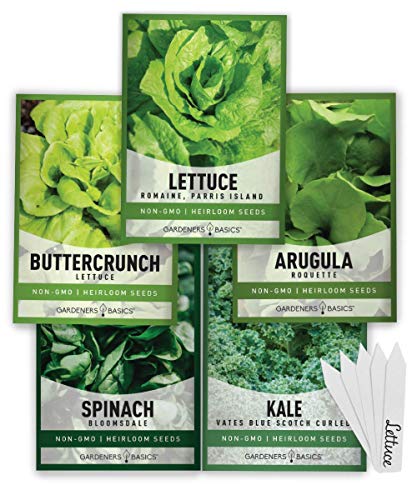
Five leafy greens varieties: Plant Parris Island romaine lettuce seeds, Buttercrunch lettuce seeds, Roquette arugula seeds, Vates Blue Scotch Curled kale seeds, and Bloomsdale spinach seeds. Includes 4,500+ seeds in five separate labeled packets.
Scientific Insights
Research shows that lettuce and tomatoes fit well together. Lettuce grows quickly and benefits from the shade provided by taller tomato plants. This shade helps lettuce retain moisture and remains cool, essential for optimal growth. Tomatoes prefer well-drained soil, while lettuce can tolerate a bit more moisture. Both plants thrive in similar pH levels, around 6.0 to 7.0, ensuring nutrient availability.
Here’s a quick overview of their growth conditions:
| Plant | Ideal pH Range | Water Needs | Growth Rate |
|---|---|---|---|
| Lettuce | 6.0 -7.0 | Moderate | Fast (30-60 days) |
| Tomatoes | 6.0 – 7.0 | Moderate to High | Slow (70-100 days) |
Expert Opinions
Garden experts often recommend companion planting to enhance growth and deter pests. Many horticulturists emphasize the benefits of pairing lettuce with tomatoes. They note that the two plants do not compete for nutrients, making them excellent neighbors. However, some caution against over-crowding. Give each plant ample space to thrive.
When growing lettuce next to tomatoes, consider these tips:
- Plant Timing: Start lettuce earlier in the season. It matures quickly and can be harvested before tomato plants need more space.
- Monitor Watering: Observe water needs closely. Adjust watering schedules since lettuce prefers consistent moisture while tomatoes require less frequent watering.
- Spacing: Allow at least 12 inches between lettuce and tomato plants. This space promotes air circulation and reduces disease risks.
Following these insights can lead to a successful and productive garden with both lettuce and tomatoes.
Ideal Growing Conditions
To maximize the success of growing lettuce alongside tomatoes, you must consider optimal growing conditions for both plants. Understanding their specific needs will enhance your gardening experience and yield better results.
Recommended Products

PROFESSIONAL-GRADE ACCURACY: Engineered specifically for soil pH testing, delivering results quickly (in about 60 seconds). With a 3rd Generation, 3-pad ph tester strips design, our soil ph test kit ensures consistent, repeatable results for all your lawn, landscape and garden needs.

Package contains 4 pounds organic vegetable and tomato fertilizer grains and is produced to avoid wasteful runoff, mess, hazards and smells

Soil Requirements
Both lettuce and tomatoes prefer well-drained soil rich in organic matter. Aim for a loamy soil texture, which balances moisture retention and drainage.
- pH Level: Maintain a pH level between 6.0 and 7.0 for best growth.
- Nutrient Enrichment: Mix in compost or aged manure before planting to provide essential nutrients.
- Drainage: Ensure proper drainage by adding perlite or vermiculite if your soil is heavy.
Sunlight and Water Needs
Lettuce and tomatoes thrive in similar lighting conditions, making them compatible.
- Sunlight: Both plants require at least 6 to 8 hours of sunlight daily. Place tomato plants where they can receive full sun, while planting lettuce in partial shade, especially during hot weather.
- Watering: Water needs differ slightly; tomatoes prefer deep watering less frequently, while lettuce benefits from consistent moisture. Keep the soil slightly damp for lettuce, especially in warm conditions. Aim for around 1 to 2 inches of water per week, adjusting based on rainfall.
By meeting these growing conditions, you can effectively grow lettuce next to tomatoes, taking advantage of their complementary nature while promoting healthy plant growth.
Best Practices for Growing Lettuce and Tomatoes Together
Growing lettuce and tomatoes together can be successful when you implement specific practices. Focus on planting techniques and effective pest management strategies for optimal results.
Recommended Products

FUNGAL DISEASE CONTROL: Prevents and controls black spot on roses, powdery mildew, rust, downy mildew, and other listed fungal diseases when applied on a 7–14 day schedule

Protect your oasis with 3 garden products in 1 from Captain Jack’s; Bonide Captain Jack’s Ready-to-Use Neem Oil spray for plants is a multi-purpose fungicide, insecticide and miticide for your lawn & garden

PLANT DISEASE CONTROL: Natria Neem Oil acts as an insecticide and fungicide in one convenient spray; Ready-to-use trigger sprayer requires no mixing
Planting Techniques
- Start Early: Begin planting lettuce before tomatoes. This timing allows lettuce to mature before the tomatoes cast shade.
- Spacing Matters: Maintain at least 12 inches between the plants. This distance promotes air circulation and reduces the risk of diseases.
- Choose Varieties Wisely: Select heat-tolerant lettuce varieties for warm weather, like Butterhead or Romaine. These types resist bolting better under tomato canopies.
- Layer Planting: Position taller tomato plants behind shorter lettuce rows. This setup provides lettuce with partial shade, conserving moisture during hot days.
- Rotate Crops: Practice crop rotation each season. Avoid planting tomatoes and lettuce in the same spot yearly to minimize soil-borne diseases and nutrient depletion.
- Companion Planting: Use herbs like basil or marigolds near your lettuce and tomatoes. These plants deter common pests such as aphids and whiteflies.
- Regular Inspections: Check both plants weekly for any signs of pests or diseases. Early detection prevents larger infestations later.
- Organic Solutions: Utilize neem oil or insecticidal soap for pest control. These treatments are safe for vegetables and effective against various pests.
- Encourage Beneficial Insects: Attract ladybugs and lacewings by planting flowers such as alyssum. These insects feed on harmful pests, aiding in natural pest control.
- Maintain Healthy Plants: Proper watering and fertilization play a crucial role. Healthy plants are more resistant to pests and diseases, leading to a better yield.
Implementing these best practices enhances the productivity of your garden while allowing you to enjoy the benefits of growing lettuce alongside tomatoes.
Conclusion
Growing lettuce next to tomatoes can be a rewarding experience if you follow the right practices. The benefits of companion planting can enhance your garden’s productivity while making the most of your space. With a little planning and attention to detail you can enjoy the advantages of both plants thriving together.
Remember to start your lettuce early and keep an eye on their watering needs. Maintaining proper spacing will help prevent overcrowding and disease. By choosing the right varieties and creating a supportive environment you’ll set yourself up for a successful harvest. So go ahead and give it a try—your garden will thank you!
Frequently Asked Questions
Can lettuce be grown alongside tomatoes?
Yes, lettuce can be grown alongside tomatoes. They can thrive together in a garden setting, with lettuce benefiting from the shade of taller tomato plants. Both plants have similar pH levels and compatible water needs, making them good companions.
What is companion planting?
Companion planting involves growing different plants together to enhance growth and deter pests. It aims to improve the overall health of the garden by allowing plants to share nutrients, create beneficial microclimates, and reduce disease transmission.
What are the benefits of planting lettuce and tomatoes together?
Lettuce benefits from the shade provided by tomatoes, helping it retain moisture. Both plants have similar nutrient needs and won’t compete for resources when spaced correctly. This arrangement can also lead to improved growth and reduced pest issues.
What are the challenges of growing lettuce with tomatoes?
Challenges include space competition, differing water needs, and potential disease transmission. It’s important to monitor each plant closely and provide adequate spacing to prevent overcrowding and ensure proper air circulation.
How should I space lettuce and tomatoes in my garden?
Maintain at least 12 inches of space between lettuce and tomatoes to promote air circulation and reduce disease risks. This spacing allows both plants to thrive without competing for resources.
What are the ideal growing conditions for lettuce and tomatoes?
Both plants prefer well-drained, loamy soil rich in organic matter. Key factors include a pH level between 6.0 and 7.0, at least 6 to 8 hours of sunlight daily, and proper watering practices suited to each plant’s needs.
When should I plant lettuce alongside tomatoes?
Start lettuce earlier in the season to ensure an early harvest. This allows it to benefit from the initial growth of tomatoes while avoiding competition for light and space later in the season.
How can I manage pests when growing these plants together?
Practice regular inspections and consider companion planting with herbs like basil or marigolds to deter pests. Use organic pest control methods when necessary and ensure healthy growth through good soil management practices.
