

Ever wondered if you can enjoy fresh, crisp lettuce right from your kitchen all year long? Imagine stepping into your home and plucking a handful of greens for your salad, no matter the season outside.
Growing lettuce indoors might sound like a challenge, but it’s easier than you think. This article will guide you through the steps to create the perfect indoor garden, ensuring you have a steady supply of delicious lettuce whenever you want. You’ll discover tips on lighting, watering, and the best varieties to grow, making it simple for you to start your indoor gardening adventure.
Key Takeaways
- Indoor Gardening Benefits: Growing lettuce indoors ensures a fresh, year-round supply of greens, allowing for immediate harvesting and reducing the reliance on store-bought produce.
- Optimal Conditions: Maintaining a consistent environment with 12-16 hours of light, temperatures between 60-70°F, and humidity levels of 40-70% is crucial for healthy lettuce growth.
- Suitable Varieties: Choose from various lettuce types for indoor gardening, such as Buttercrunch, Oak Leaf, and Red Romaine, to explore diverse flavors and textures.
- Essential Equipment: Invest in quality grow lights, proper containers with drainage, and high-quality potting soil to create an ideal indoor garden setup for lettuce.
- Watering and Nutrients: Regularly check soil moisture, water consistently, and use balanced fertilizers every 2-4 weeks to support robust growth and prevent issues like root rot.
- Adaptation and Experimentation: Adjust lighting and care practices based on the chosen lettuce variety to maximize growth potential and flavor, ensuring a thriving indoor garden year-round.
Understanding Indoor Lettuce Growth
Growing lettuce indoors year-round provides a consistent supply of fresh greens. Understanding the process involves knowing the benefits and the ideal conditions required for successful growth.
Benefits of Growing Lettuce Indoors
- Freshness: Indoor lettuce offers fresher produce. Plants remain close at hand, so you harvest just before meals.
- Control: You control growth conditions like temperature, humidity, and light. This control results in healthier plants with fewer pests.
- Space-Saving: Growing lettuce indoors works even in small spaces. You can use shelves or windowsills to maximize your gardening area.
- Variety: Indoor gardening allows you to experiment with different lettuce varieties. Try butterhead, romaine, or leaf lettuce to find your favorites.
- Year-Round Supply: Enjoy homegrown lettuce regardless of seasonal changes. This creates a sustainable food source throughout the year.
- Light: Provide 12-16 hours of light daily. Use grow lights if natural light is insufficient. Position lights 6-12 inches above plants for best results.
- Temperature: Maintain a temperature range of 60-70°F (15-21°C). Ensure cooler temperatures during the night to mimic outdoor conditions.
- Humidity: Keep humidity levels between 40-70%. Utilize a humidity tray or a small humidifier if necessary.
- Soil: Use a high-quality potting mix. Ensure it retains moisture while providing good drainage to prevent root rot.
- Watering: Water lettuce consistently. Check soil moisture regularly, aiming for moist but not soggy soil. Adjust frequency based on environmental conditions.
By following these guidelines, you create an optimal environment for growing lettuce indoors, ensuring a bountiful supply of greens throughout the year.
Types of Lettuce Suitable for Indoor Growth
Growing lettuce indoors offers various options. You can choose from multiple lettuce types that thrive in controlled environments. Here are some suitable varieties:
Recommended Products
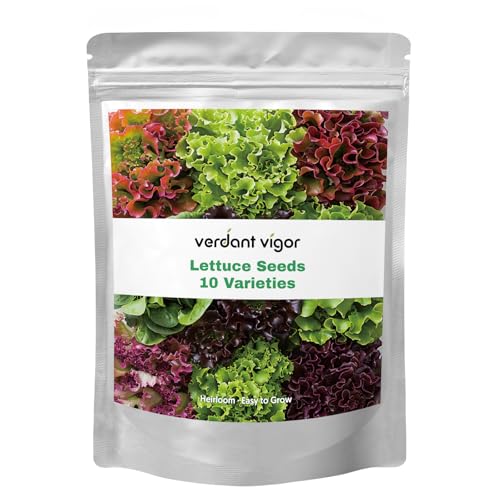
Healthy Food Source: Because of its tender flavor, lettuce is a popular vegetable for salad, sandwiches, wraps, soups, stir-fries and juice. There are over 20,000 seeds, 10 kinds of lettuce collection, including bibb, boston, iceberg, buttercrunch, grand rapids TBR, oakleaf, ruby leaf, cimmaron romaine and waldmann's

FIVE FLAVORFUL VARIETIES FOR A COMPLETE SALAD GARDEN SOLUTION. This lettuce seed pack includes black seeded simpson, red romaine, bibb, buttercrunch, and iceberg. Perfect for salads, wraps, smoothies, and toppings with fresh, homegrown flavors year-round.

USDA Certified Organic by Oregon Tilth
Leaf Lettuce Varieties
- Buttercrunch: This leaf lettuce has a sweet and buttery flavor. It tolerates heat well, making it perfect for indoor growth.
- Oak Leaf: With its lobed leaves and tender texture, oak leaf lettuce grows quickly. You’ll enjoy its mild taste and attractive appearance.
- Red Romaine: This variety features crisp, dark red leaves. Red romaine adds color and a robust flavor to salads.
- Lollo Rossa: Known for its frilly edges and deep red color, Lollo Rossa brings visual appeal. It’s both flavorful and easy to grow indoors.
- Iceberg: Popular for its crunchy texture, iceberg lettuce grows well in containers. It requires consistent moisture to reach its full potential.
- Butterhead: This type has loose leaves that form a soft head. Butterhead offers a rich, creamy flavor and prefers cooler temperatures.
- Little Gem: A small romaine with a compact shape, Little Gem produces sweet, tender leaves. This variety is ideal for small spaces.
- Romaine: Classic romaine lettuce boasts elongated heads and crisp leaves. It’s versatile and can be harvested in stages, allowing for continuous growth.
By selecting these varieties, you can enjoy homegrown lettuce year-round. Remember, growing conditions influence flavor and texture. Adjust lighting and watering based on your chosen lettuce type to maximize your indoor garden’s success.
Essential Equipment for Indoor Lettuce Cultivation
Growing lettuce indoors year-round requires specific equipment to ensure optimal conditions for healthy growth. Focus on these key items.
Grow Lights
Grow lights provide the necessary light spectrum that lettuce needs for photosynthesis. When choosing grow lights:
- Select LED Grow Lights: They’re energy-efficient and produce minimal heat, reducing the risk of overheating your plants.
- Choose Full Spectrum: This type mimics natural sunlight, aiding in vegetative growth.
- Ensure Adequate Coverage: Position lights so they cover your growing area, providing 12-16 hours of light daily.
When using grow lights, adjust their height as your lettuce grows to maintain the optimal distance and avoid leggy plants.
Containers and Soil
Containers and soil play critical roles in indoor gardening. Consider these aspects:
- Containers: Use pots with drainage holes to prevent waterlogging. Choose sizes that allow adequate root space. Options include 6- to 12-inch pots for individual plants or larger containers for multiple plants.
- Quality Soil: Opt for a high-quality potting mix that retains moisture while providing good drainage. Look for organic or specialized mixes designed for vegetable gardening.
Start with well-drained soil and regularly check moisture levels. This balance encourages robust root development and healthier plants.
By securing the right equipment, you lay a solid foundation for thriving indoor lettuce growth.
Best Practices for Year-Round Lettuce Growth
You can optimize your indoor lettuce garden by focusing on temperature, humidity, watering, and nutrient management. These elements significantly influence the growth and health of your plants.
Recommended Products

High planting efficiency: Start an indoor herb garden with the Ahopegarden hydroponic growing system, which includes a water reservoir, an overhead LED grow light, and a circulation system that keeps the water fresh. The hydroponic setup and lighting systems allow plants to grow up to faster and healthier in controlled conditions. Simply add plant seeds, water, and nutrients to the reservoir and watch the plants grow

Avant-garde and modern design: Our smart hydroponics growing system kit merges urban farming innovation with minimalist aesthetics. Crafted from durable ABS, its 17" space-saving profile features an LCD touchscreen for one-touch control, perfect for tech-savvy gardeners or as a unique gift. The integrated full-spectrum panel adapts seamlessly to indoor hydroponics, blending functionality with sleek vertical farming appeal.

5 TIMES FASTER GROW: Hydroponics growing system with a 24-watt LED light that simulates the effects of sunlight which promotes photosynthesis for plants. Even if leave indoor garden in a corner, plants also germinate and grow quickly. Harvest fresh all year round. indoor herb garden LED panel can be adjusted to 180°maximum and 21 inches maximum height. Compact design fits on any windowsill or kitchen shelf, gardening gifts for women
Temperature and Humidity Control
Maintain a temperature range of 60-70°F for optimal lettuce growth. Within this range, lettuce thrives and produces lush, flavorful leaves. If temperatures drop below 55°F or rise above 75°F, growth may slow or become stunted.
Humidity levels also play a crucial role. Aim for humidity between 40-70%. If the air in your indoor garden is too dry, it can result in leaf wilting and poor growth. To increase humidity, mist the plants regularly or use a humidifier. Conversely, if humidity is too high, it might encourage mold or pests. Proper air circulation helps regulate humidity effectively.
Watering and Nutrient Management
Water your lettuce consistently to keep the soil moist but not soggy. Use your finger to check the top inch of soil; if it feels dry, it’s time to water. Over-watering can lead to root rot, so ensure containers have drainage holes.
Fertilizing your lettuce is essential for healthy growth. Use a balanced, water-soluble fertilizer every 2-4 weeks. Look for fertilizers with ratios like 10-10-10 or similar. Follow the package instructions for proper dilution.
You can also consider adding compost or organic matter to enrich the soil. Compost improves nutrient content and promotes healthy root development.
By carefully controlling temperature, humidity, watering, and nutrient levels, you can cultivate vibrant, healthy lettuce indoors all year round.
Conclusion
Growing lettuce indoors year-round is not just a dream; it’s an achievable goal. With the right setup and a bit of care you can enjoy fresh greens whenever you like.
By selecting the right varieties and maintaining optimal conditions you’ll create a thriving indoor garden that brings a burst of flavor to your meals. Plus it’s a fun and rewarding hobby that lets you take control of what you eat.
So go ahead and give it a try. Your taste buds will thank you for the crisp and delicious lettuce you’ll harvest right from your own home. Happy gardening!
Frequently Asked Questions
Can I grow lettuce indoors year-round?
Absolutely! You can grow lettuce indoors year-round by providing the right conditions, such as adequate light, temperature, and humidity. Following the guidelines in our article will help you enjoy fresh greens regardless of the season.
What type of lighting do indoor lettuce plants need?
Indoor lettuce requires 12-16 hours of light daily. LED grow lights are ideal as they provide a full spectrum of light and are energy-efficient, ensuring your plants thrive indoors.
What temperature is best for growing lettuce indoors?
Lettuce grows best in a temperature range of 60-70°F. Keeping your indoor environment within this range helps ensure healthy growth and vibrant leaves.
How often should I water indoor lettuce?
Water your indoor lettuce regularly to keep the soil moist but not soggy. It’s best to check the soil periodically and water as needed to maintain even moisture.
What are the best lettuce varieties for indoor gardening?
Some of the best varieties for indoor growth include Buttercrunch, Oak Leaf, Red Romaine, and Lollo Rossa. Each variety offers unique flavors and textures, enhancing your indoor gardening experience.
Do I need special equipment to grow lettuce indoors?
Yes, essential equipment includes energy-efficient LED grow lights, containers with drainage holes, and high-quality potting mix. This setup ensures optimal growth conditions for your lettuce.
How can I manage humidity for indoor lettuce?
Maintain humidity levels between 40-70% for optimal lettuce growth. You can manage humidity by misting the plants, using a humidifier, or placing water trays nearby.
What nutrients do indoor lettuce plants need?
Indoor lettuce benefits from balanced, water-soluble fertilizer every 2-4 weeks. This ensures your plants receive adequate nutrients to support healthy growth and vibrant leaves.
