

Have you ever wanted to enjoy fresh, homegrown lettuce but thought you didn’t have enough space? You’re not alone. Many people face the challenge of limited gardening areas but still crave that crisp, garden-fresh taste.
Key Takeaways
- Space Efficiency: Grow bags maximize limited spaces, allowing for vertical and horizontal gardening without the need for traditional beds.
- Right Grow Bag Selection: Choose grow bags that are 5 to 10 gallons in size and made from breathable materials to enhance drainage and root development.
- Optimal Soil and Nutrients: Use high-quality, well-draining potting soil rich in organic matter and regularly fertilize to ensure healthy lettuce growth.
- Watering and Light Needs: Maintain consistently moist soil and provide 12 to 14 hours of sunlight daily for optimal growth and yield.
- Best Lettuce Varieties: Leafy greens like Butterhead and Romaine thrive in grow bags, with staggered planting for continuous harvesting.
- Harvesting Techniques: Begin harvesting outer leaves about 30 to 45 days after planting, allowing the center to keep growing for multiple harvests.
Overview Of Growing Lettuce
Growing lettuce in grow bags offers a practical solution for those with limited gardening space. You can achieve a successful lettuce crop by understanding the key factors involved.
Choosing The Right Grow Bag
Selecting the right grow bag impacts lettuce growth. Opt for bags that are at least 5 to 10 gallons in size. This provides ample room for root development. Consider breathable materials, like fabric, which enhance drainage.
Soil and Nutrients
Using high-quality potting soil is crucial. Look for soil blends rich in organic matter. Adding compost or well-rotted manure boosts nutrient levels, promoting healthy lettuce growth.
Planting Lettuce Seeds
Plant lettuce seeds about ¼ inch deep. Space seeds based on the variety; smaller varieties require less space than larger ones. For example, plant leaf lettuce seeds 4 to 6 inches apart. This spacing allows for adequate airflow and light.
Watering Your Lettuce
Keep the soil consistently moist but not waterlogged. Water deeply, then allow the surface soil to dry slightly before the next watering. Lettuce prefers cooler temperatures, so it thrives with regular hydration.
Light Requirements
Lettuce needs 12 to 14 hours of sunlight daily for optimal growth. Position your grow bags in a sunny spot, or consider using grow lights to supplement natural light during shorter days.
Harvesting Lettuce
You can begin harvesting leaf lettuce about 30 to 45 days after planting. Cut outer leaves while allowing the center to continue growing. For head varieties, wait until they reach desired size, then cut at the base.
By addressing these aspects, you can successfully grow fresh, homegrown lettuce in grow bags, enhancing your culinary experiences and maximizing your gardening potential.
Benefits Of Using Grow Bags
Grow bags offer several advantages for growing lettuce, especially in limited spaces. These benefits enhance your gardening experience and improve plant health.
Recommended Products

300G THICKENED FABRIC, BUILT FOR MULTIPLE SEASONS — 300 g/m² non-woven fabric (vs. 200 g/m² or thinner on entry-level bags), so the walls hold their shape when filled and resist tearing at the seams. Each empty bag weighs 4 oz — 16 oz for the 4-pack. Fold flat and store indoors over winter and they are built to be replanted season after season 3.

300G THICKENED FABRIC, BUILT FOR MULTIPLE SEASONS — 300 g/m² non-woven fabric (vs. 200 g/m² or thinner on entry-level bags), so the walls hold their shape when filled and resist tearing at the seams. Each empty bag weighs 4 oz — 16 oz for the 4-pack. Fold flat and store indoors over winter and they are built to be replanted season after season 3.
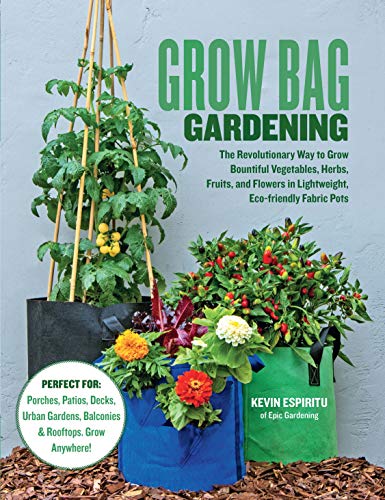
Space Efficiency
Grow bags maximize vertical and horizontal space. You can arrange them on patios, balconies, or small gardens. This flexibility allows you to grow more lettuce without needing a traditional garden bed. Stack grow bags or place them closely together to create a compact growing area. Many gardeners successfully grow lettuce in multiple bags, leading to higher yields.
Improved Drainage
Proper drainage is crucial for lettuce health. Grow bags facilitate excellent drainage, preventing root rot. They allow excess water to escape while retaining sufficient moisture for the plants. The breathable fabric of grow bags encourages air circulation, which promotes healthy root growth. For example, if you overwater, the water drains out quickly, keeping your lettuce healthy and vibrant.
Selecting The Right Grow Bag
Choosing the right grow bag significantly influences the success of your lettuce cultivation. Focus on size and material to ensure optimal growing conditions for your plants.
Size Considerations
Select grow bags that fit your available space and the number of lettuce plants you want to grow. Common sizes include:
- 1-gallon bags: Suitable for one or two lettuce plants.
- 3-gallon bags: Ideal for three to four plants, providing ample root space.
- 5-gallon bags: Great for larger varieties or multiple seedlings, supporting healthy growth.
Ensure the bags are deep enough to accommodate the root systems of your chosen lettuce varieties.
Material Options
Choose bags made from breathable materials to promote healthy root development. Common options include:
- Fabric grow bags: These enable excellent drainage and air circulation, reducing the risk of root rot.
- Plastic grow bags: While more affordable and lightweight, ensure they have drainage holes to prevent waterlogging.
- Biodegradable options: Eco-friendly materials like jute or natural fibers decompose over time, enriching the soil as they break down.
Evaluate the durability and weather resistance of materials, especially if you plan to place your bags outdoors.
Best Lettuce Varieties For Grow Bags
Choosing the right lettuce varieties enhances your success when growing in bags. Certain types thrive better in limited space and different growing conditions.
Leafy Greens
Leafy greens like loose-leaf lettuce adapt well to grow bags. Varieties such as Butterhead, Romaine, and Oak Leaf produce tender leaves that you can continuously harvest. They grow quickly, typically maturing within 30 to 60 days. Select a 1- or 2-gallon bag for adequate room for root development. Frequently harvesting outer leaves encourages further growth and maximizes yield.
Head Lettuce
Head lettuce varieties like Butterhead and Iceberg also perform well in grow bags. Choose a 5-gallon bag to support their larger root systems. These varieties take longer to mature, averaging 70 to 80 days. Ensure you provide enough sunlight and regular watering to maintain consistent moisture levels. Consider staggered planting for a continuous supply.
Tips For Successful Lettuce Cultivation
Cultivating lettuce in grow bags can be rewarding. Focus on soil requirements and watering techniques for optimal growth.
Soil Requirements
Select well-draining soil for your grow bags. Use a mix designed for container gardening, containing organic compost, peat moss, and perlite. This blend provides nutrients and promotes airflow around the roots.
Incorporate fertilizer into the soil mix, opting for a balanced blend with nitrogen, phosphorus, and potassium. Fertilize your lettuce every four weeks with a water-soluble option for continuous growth.
Monitor soil pH, aiming for a range of 6.0 to 7.0. Test kits are available at gardening stores for easy evaluation.
Watering Techniques
Water your lettuce regularly to keep the soil consistently moist but not soggy. Check the top inch of soil; if it feels dry, it’s time to water.
Use drip irrigation or a watering can to apply water directly to the soil, avoiding leaves to prevent disease. Aim for an inch of water weekly, adjusting based on weather conditions.
Add mulch to the top of the soil within the grow bag. Organic materials like straw or shredded leaves help retain moisture and regulate temperature.
Implement a routine, watering early in the morning or late in the afternoon. This timing minimizes evaporation and helps your lettuce thrive.
Conclusion
Growing lettuce in grow bags can be a rewarding experience. You get to enjoy fresh greens right from your own space while maximizing limited areas. With the right choice of bags and attention to soil and watering needs, you’ll set yourself up for success.
Don’t hesitate to experiment with different lettuce varieties and techniques. Each season brings new opportunities to refine your approach. Before you know it, you’ll be harvesting crisp, delicious lettuce that you’ve nurtured with your own hands. Happy gardening!
Frequently Asked Questions
What are the best types of grow bags for lettuce?
Using breathable fabric grow bags, plastic bags with drainage holes, or biodegradable options are ideal for lettuce cultivation. Each type ensures proper drainage and air flow, promoting healthy root growth.
How do I choose the right size grow bag for lettuce?
Select a grow bag that is at least 5-10 gallons in size for optimal lettuce growth. This allows adequate space for roots to expand and absorb nutrients effectively.
What soil mix is best for growing lettuce in bags?
A well-draining soil mix containing organic compost, peat moss, and perlite is recommended. This blend supports healthy growth and prevents waterlogging.
How often should I water lettuce in grow bags?
Water lettuce regularly to keep the soil moist but not soggy. A routine schedule, using drip irrigation or a watering can, is essential for optimal growth.
What are the benefits of using grow bags for lettuce?
Grow bags save space and allow for efficient root growth. They also provide better drainage and air circulation compared to traditional planters, leading to healthier plants.
Can I grow different lettuce varieties in the same grow bag?
It’s best to grow one variety per grow bag to avoid competition for nutrients and space. However, smaller varieties may coexist if there’s enough room.
How can I ensure my lettuce grows well in limited spaces?
Establish a watering routine, choose the right soil mix, and select appropriate grow bag sizes. Regularly monitor plant health and adjust care as needed for best results.
