

Have you ever thought about growing your own lettuce but felt limited by space? If you’re short on room but want fresh greens at your fingertips, vertical gardening might be the solution you need. Imagine plucking crisp lettuce leaves right from your own home, all while maximizing every inch of your garden.
Key Takeaways
- Vertical Gardening Basics: Vertical gardening offers an efficient way to maximize limited space, ideal for growing lettuce and other plants in urban settings.
- Space Efficiency: Implementing vertical structures can increase plant capacity, allowing up to five times more lettuce in a small area compared to traditional gardening.
- Optimal Varieties for Growth: Choose compact lettuce varieties such as Butterhead, Romaine, and Looseleaf that thrive in vertical gardens for the best yields.
- Maintenance Essentials: Ensure proper lighting, regular watering, and nutrient-rich, well-draining soil to promote healthy growth and avoid diseases.
- Pest Management: Utilize integrated pest management (IPM) strategies, including beneficial insects and organic sprays, to combat common pests and diseases effectively.
- Container Selection: Use containers designed for good drainage and adequate depth to accommodate root systems, ensuring the overall health of your vertical garden.
Overview Of Vertical Gardening
Vertical gardening involves growing plants in a vertical manner instead of traditional horizontal methods. This technique maximizes limited space, making it ideal for urban areas or smaller homes.
Benefits of Vertical Gardening
- Space Efficiency: Use vertical space to grow more plants in less area. For example, you can install wall planters or shelves.
- Improved Air Circulation: Enhance plant health through better airflow. Improved circulation reduces the risk of disease.
- Ease of Access: Reach your plants without bending or kneeling. This convenience makes tending your garden less physically demanding.
- Aesthetic Appeal: Create visual interest in your gardening space. A well-designed vertical garden serves as a striking focal point.
Types of Vertical Gardens
- Wall Planters: Install modular planters on walls or fences. These can hold multiple plants in a compact area.
- Trellises: Use trellises for climbing plants. Lettuce doesn’t climb, but other plants can support your vertical garden.
- Hanging Baskets: Hang baskets from ceilings or hooks. This option is perfect for herbs or smaller leafy greens.
- Pallet Gardens: Repurpose wooden pallets as a planting structure. Fill the slats with soil and plants for a rustic look.
- Choose the Right Plants: Select compact varieties suitable for vertical spaces. Lettuce, herbs, and strawberries thrive well in these conditions.
- Ensure Proper Lighting: Position your garden where it gets adequate sunlight. Most greens need at least six hours of light each day.
- Water Regularly: Maintain consistent moisture, especially for densely planted vertical gardens. Check the soil frequently to prevent drying out.
- Consider Soil Type: Use lightweight, well-draining soil mixes. This prevents excess weight and promotes healthy roots.
Vertical gardening offers a practical and efficient way to grow your own lettuce, even in small spaces. By understanding the benefits, types, and maintenance tips, you can create a thriving vertical garden that enhances your living area and provides fresh produce.
Benefits Of Growing Lettuce Vertically
Growing lettuce in a vertical garden offers numerous advantages. These benefits make it an exceptional choice for urban gardeners and those with limited space.
Space Efficiency
Growing lettuce vertically maximizes your available space. You can fit multiple plants in a small area by utilizing vertical structures like wall planters or towers. For example, a vertical garden can hold up to five times more lettuce than traditional ground beds. This method not only frees up floor space but also enables you to incorporate other plants, creating a diverse garden.
Improved Airflow
Vertical gardening promotes better airflow around your lettuce plants. This circulation reduces the likelihood of fungal diseases and pests, ensuring healthier growth. When lettuce receives proper airflow, it aids in transpiration, allowing plants to absorb nutrients efficiently. Additionally, better airflow can enhance growth rates, providing a quicker harvest.
Suitable Varieties Of Lettuce For Vertical Gardens
Growing lettuce in a vertical garden requires selecting the right varieties that thrive in this unique setup. Consider the following types to maximize your yields and ensure healthy plants.
Recommended Products
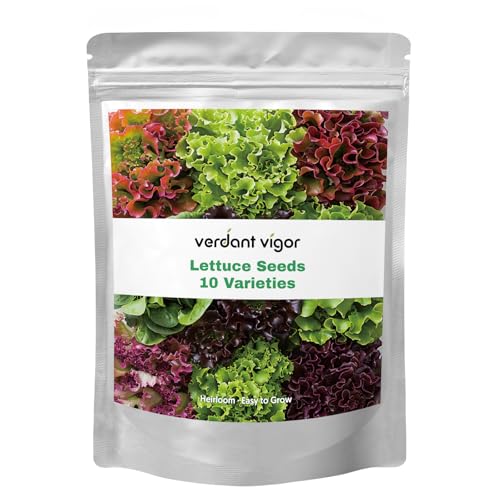
Healthy Food Source: Because of its tender flavor, lettuce is a popular vegetable for salad, sandwiches, wraps, soups, stir-fries and juice. There are over 20,000 seeds, 10 kinds of lettuce collection, including bibb, boston, iceberg, buttercrunch, grand rapids TBR, oakleaf, ruby leaf, cimmaron romaine and waldmann's

20 COMPACT VEGETABLE & HERB VARIETIES – Chinese Celery, Lolla Rossa Lettuce, Sugar Daddy Snap Pea, Buttercrunch Lettuce, Spacemaster Cucumber, Little Fingers Carrot, Opal Basil, Arugula, Thyme, Viroflay Spinach, Flat Leaf Parsley, Tokyo Long White Bunching Onion, Dwarf Mix Petunia, French Breakfast Radish, Serrano Pepper, Catnip, Lemon Balm, Red Russian Kale, Marconi Red Pepper, Cilantro

5-Variety Lettuce Seed Collection - Enjoy a continuous harvest of fresh, flavorful greens! This lettuce seed collection includes Black Seeded Simpson, Iceberg, Buttercrunch, Parris Island Cos, and Lolla Rossa Lettuce.
Leafy Greens
Leafy greens include several varieties that grow well in vertical gardens. Popular options are:
- Butterhead Lettuce: This variety offers tender leaves and a sweet flavor. It’s compact, making it suitable for limited vertical space.
- Romaine Lettuce: Known for its crisp texture, romaine can grow tall and organically. Ensure it gets sufficient sunlight and space to thrive.
- Looseleaf Lettuce: Versatile and easy to grow, looseleaf varieties provide continuous harvests. Regularly picking outer leaves encourages more growth.
Head Lettuce
Head lettuce varieties also adapt well to vertical gardening. Key options are:
- Iceberg Lettuce: This classic variety forms tight, crunchy heads. It requires adequate support and can flourish in a vertical system with proper care.
- Crisphead Lettuce: Similar to iceberg, crisphead types develop dense heads and require consistent watering to stay crisp and fresh.
When selecting lettuce varieties, consider factors like growth habits, space requirements, and local climate. Choosing the right types ensures a successful vertical garden and fresh produce at your fingertips.
Tips For Successful Vertical Lettuce Gardening
Growing lettuce in a vertical garden can be highly rewarding. Here are some practical tips to ensure success.
Choosing The Right Containers
Choose containers that promote good drainage. Look for options such as:
- Wall planters: These are great for saving space.
- Vertical garden towers: These maximize growing area on narrow surfaces.
- Hanging baskets: Opt for lightweight varieties that allow for easy maintenance.
Select containers that are at least 6-8 inches deep to accommodate root systems. Ensure each container has sufficient holes to prevent waterlogging. Use a container material that retains heat, like ceramic or plastic, for optimal growth.
Optimal Soil And Nutrients
Use high-quality potting mix specialized for vegetables. The soil should be lightweight and well-draining.
- Incorporate compost: This enriches the soil with nutrients.
- Add perlite or vermiculite: These materials enhance drainage and aeration.
Maintain a balanced nutrient mix. A general-purpose liquid fertilizer works well. Apply every two weeks during the growing season to ensure plants receive necessary nutrients. Monitor pH levels; aim for a range of 6.0 to 7.0 for optimal lettuce growth.
Common Challenges And Solutions
Growing lettuce in a vertical garden comes with unique challenges. Addressing these issues effectively ensures a fruitful harvest.
Pests And Diseases
Pests pose a significant threat to your vertical lettuce garden. Common pests include aphids, spider mites, and snails. To combat these invaders, employ integrated pest management (IPM) practices. Use beneficial insects like ladybugs to naturally control pests. Introduce neem oil or insecticidal soap as organic sprays. Regularly inspect your plants, removing any affected leaves promptly.
Diseases like powdery mildew and root rot can also occur. Improve air circulation around your plants to reduce humidity. Choose disease-resistant lettuce varieties when possible. Rotate crops each season to minimize disease buildup in the soil.
Watering Strategies
Watering your vertical garden requires careful attention. Lettuce needs consistent moisture but can suffer from overwatering. Implement a drip irrigation system to provide steady, targeted hydration. Check the soil moisture regularly; it should be damp but not soggy.
Consider using self-watering containers to simplify this process. These containers draw water from a reservoir, allowing plants to absorb moisture as needed. Make sure to monitor the drainage, preventing water from pooling in the base of the container.
Establish a routine for watering, ideally early in the morning or late afternoon. This timeframe minimizes evaporation and allows your vegetables to absorb water efficiently.
Conclusion
Growing lettuce in a vertical garden is not just possible; it’s a fantastic way to make the most of your space. By embracing this method, you can enjoy fresh greens right from your home while adding a touch of beauty to your environment.
With the right containers, soil, and care, you’ll find that vertical gardening can lead to bountiful harvests and healthier plants. Plus, it’s a fun and rewarding experience that brings a little bit of nature into your life.
So why not give it a try? Your taste buds and your garden will thank you!
Frequently Asked Questions
What is vertical gardening?
Vertical gardening is a method of growing plants vertically instead of horizontally. It is especially useful for limited spaces, allowing individuals to grow more produce, like lettuce, in smaller areas. This approach enhances space efficiency, improves air circulation, and adds aesthetic appeal to urban environments.
What are the benefits of vertical gardening?
Vertical gardening offers several benefits, including maximizing space, improving air circulation around plants, ease of access for harvesting, and enhanced aesthetics. It also reduces the risk of pests and diseases, leading to healthier plants and quicker harvests, particularly for greens like lettuce.
Which types of lettuce are best for vertical gardening?
Leafy greens such as Butterhead, Romaine, and Looseleaf lettuce are ideal for vertical gardening due to their compact growth. Head lettuce varieties like Iceberg and Crisphead can also thrive vertically with proper care, allowing for continuous harvests in small spaces.
How do I maintain a vertical garden for lettuce?
Successful vertical gardening requires choosing appropriate containers with good drainage, using high-quality potting mix, regular watering, and maintaining nutrient balance. It’s also essential to monitor pH levels and ensure adequate light for optimal growth.
What watering strategies should I follow for vertical lettuce gardens?
Establish a consistent watering routine while avoiding overwatering. Implementing a drip irrigation system or self-watering containers can help maintain optimal soil moisture levels. Water during cooler parts of the day to minimize evaporation and ensure the plants receive adequate hydration.
How can I manage pests and diseases in vertical gardens?
To manage pests like aphids and spider mites, practice integrated pest management (IPM) by using beneficial insects and organic sprays. To prevent diseases such as powdery mildew, improve air circulation and rotate crops to ensure healthier plants in your vertical garden.
