

Have you ever wondered if you can grow lettuce and cucumbers side by side in your garden? If you’re looking to maximize your space and enjoy fresh veggies, this question is more than just a curiosity. Many gardeners face challenges when planning their plots, and knowing which plants can thrive together can make all the difference.
Key Takeaways
- Companion Planting Benefits: Growing lettuce and cucumbers together promotes healthier growth, pest control, and improved space utilization in the garden.
- Optimal Planting Coordination: Lettuce should be sown in late winter or early spring, while cucumbers are planted after the last frost to ensure staggered harvesting.
- Nutrient and Microclimate Compatibility: Lettuce thrives in the shade provided by cucumbers, helping maintain soil moisture and preventing premature bolting.
- Soil and Watering Requirements: Both plants prefer well-draining, nutrient-rich soil and consistent moisture, making proper soil preparation and mulching essential for success.
- Essential Gardening Techniques: Utilizing raised beds, vertical growing methods, and interplanting can maximize space and encourage healthy growth for both crops.
- Regular Monitoring: Keep an eye on the growth of both plants and manage their spacing to prevent one from overshadowing the other, ensuring a thriving garden ecosystem.
Overview of Companion Planting
Companion planting involves pairing plants that benefit each other when grown together. This practice promotes healthy growth and maximizes garden space. Understanding these relationships helps you create a more productive garden.
Benefits of Companion Planting
- Pest Control: Some plants repel pests that can harm others. For instance, cucumbers might thrive if planted near aromatic herbs like basil or dill, which deter cucumber beetles.
- Nutrient Sharing: Different plants often have unique nutrient requirements. Lettuce, which prefers low nutrients, can grow alongside cucumbers that utilize more resources from the soil.
- Microclimate Creation: Taller plants can provide shade to shorter companions, helping to maintain a cooler environment. Cucumbers offer shade to lettuce during hotter months, reducing bolting.
- Improved Flavor: Certain combinations enhance flavors. For example, planting cucumbers with dill may yield tastier cucumbers.
Suitable Plant Partners
Lettuce and cucumbers work well in the same garden due to complementary needs. Here are other suitable partners for each:
For Lettuce:
- Radishes: Act as a natural pest deterrent.
- Carrots: Their root systems utilize different soil layers.
For Cucumbers:
- Beans: Provide nitrogen to the soil, promoting growth.
- Marigolds: Deter nematodes and other pests.
- Timing: Plant cucumbers after the last frost, while sowing lettuce seeds in late winter or early spring for staggered harvests.
- Spacing: Maintain adequate spacing for airflow. Plant lettuce 6 to 12 inches apart and cucumbers 12 to 36 inches apart.
- Monitoring: Keep an eye on both types of plants. If one starts overshadowing the other, trim back the growth as necessary.
By understanding companion planting, you create a thriving garden that maximizes yield and minimizes pests.
Benefits of Growing Lettuce and Cucumbers Together
Growing lettuce and cucumbers together offers several advantages. These plants complement each other, leading to a more productive garden.
Improved Space Utilization
Improved space utilization occurs when you plant lettuce and cucumbers side by side. Lettuce grows low to the ground, while cucumbers thrive vertically on trellises. This combination maximizes garden space and allows for a greater variety of produce. By planting lettuce in the shade of cucumber vines, you extend the harvest season for both crops, with lettuce maturing quickly before cucumbers take over the space.
Pest Management
Effective pest management is another significant benefit. Growing lettuce with cucumbers can deter pests. For instance, the scent of cucumbers can confuse aphids that typically target lettuce. Additionally, the close planting reduces open soil space, minimizing habitats for weeds and unwanted insects. Regular monitoring enables you to address any pest issues quickly, keeping both crops healthy.
Considerations for Growing Together
Understanding the unique needs of lettuce and cucumbers helps you create an ideal environment for both crops. Consider soil requirements and watering needs to ensure thriving plants.
Recommended Products

PROFESSIONAL-GRADE ACCURACY: Engineered specifically for soil pH testing, delivering results quickly (in about 60 seconds). With a 3rd Generation, 3-pad ph tester strips design, our soil ph test kit ensures consistent, repeatable results for all your lawn, landscape and garden needs.

2-in-1 Soil Moisture Meter & Soil pH Meter: Designed for beginners, upgraded testing structure, a creative Dual-Dial design, can meet your different needs. Simply unbox and use. This soil meter takes the guesswork out of taking care of your plants and elevates your planting experience to the next level. Helps you to plant lush and healthy house plants.

2-in-1 Soil Test Kit: Compared to single-function soil moisture meter, our multifunctional soil test kit combines soil moisture and soil pH monitoring into one tool, which can better help you take care of plants, prevent excessive watering and fertilization. The plant moisture meter is perfect for garden soil, lawn, farm, outdoor and indoor use
Soil Requirements
Lettuce thrives in loose, well-draining soil rich in organic matter. Aim for a pH level between 6.0 and 7.0 for optimal growth. Cucumbers prefer similar conditions but require slightly warmer soil, ideally around 70°F.
To prepare your garden bed, mix compost or well-rotted manure into the soil before planting. This provides essential nutrients for both plants and enhances moisture retention.
Watering Needs
Lettuce and cucumbers share similar watering preferences, enjoying consistent moisture. Water the plants deeply once or twice a week, depending on rainfall and temperature. Avoid overhead watering to reduce the risk of fungal diseases.
Mulching around your plants helps retain soil moisture while suppressing weeds. Use straw, grass clippings, or shredded leaves to keep the soil cool and damp. Regularly check soil moisture, ensuring it doesn’t dry out, especially in hot weather.
Tips for Successful Growth
Growing lettuce and cucumbers together can be highly rewarding. Here are some essential tips to ensure a successful partnership between these two crops.
Recommended Products

【HIGH COST PERFORMANCE】Besides the frame trellis, we also provide multiple accessories for your need.Includes 8 x panel trellis, 12 x screw, 6 x ground stakes,20Pcs cable zip ties,a pair of gloves.You may assemble the unit according to the picture.It can also be combined into your favorite or suitable shape.
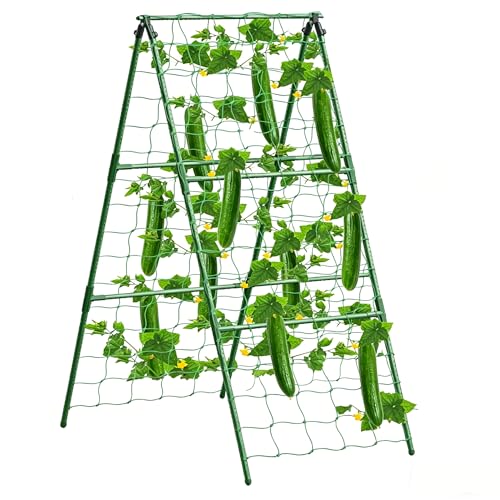
【Package included】:This Trellis for Climbing Plants Outdoor comes complete with everything you need to get started: 17pcs metal stakes, 8pcs T shape connect pipe, 2 A-shaped connectors, and a 0.9x1.8meter plant net.

【Package included】: This Trellis for Climbing Plants Outdoor comes complete with everything you need to get started: 17pcs metal stakes, 8pcs stainless wire connect pipe, 2 A-shaped connectors, and a 0.9x1.8meter Bird net.
Planting Techniques
- Raised Beds: Create raised beds for optimal drainage and soil warmth. Cucumbers thrive in slightly warmer conditions, making this method effective.
- Vertical Growing: Use trellises for cucumbers. This supports their upward growth while providing shade for lettuce, helping both plants flourish.
- Interplanting: Space seeds or seedlings of lettuce between cucumber plants. This maximizes space and encourages mutual benefits from their growth habits.
- Spring Planting: Plant cucumber seeds after the last frost, ideally in late spring. Lettuce can be sown earlier for an earlier harvest.
- Succession Planting: For continuous yields, plant lettuce in intervals of every two weeks throughout spring. This ensures a steady supply while cucumbers start to grow.
- Observe Temperature: Monitor temperature closely. When daytime temps consistently exceed 70°F, the growth of lettuce may slow. Adjust planting schedules accordingly to prevent heat stress.
Implementing these strategies will help you maximize your harvest of lettuce and cucumbers while maintaining a healthy garden ecosystem.
Conclusion
Growing lettuce and cucumbers together can be a rewarding experience that enhances your garden’s productivity. By understanding their unique needs and employing companion planting techniques, you can create a thriving environment for both crops.
With careful planning and attention to detail, you’ll enjoy fresh, delicious produce while keeping pests at bay. Don’t forget to monitor your plants regularly and adjust your care as needed.
Embrace the joy of gardening and watch your lettuce and cucumbers flourish side by side. Happy gardening!
Frequently Asked Questions
Can lettuce and cucumbers be grown together?
Yes, lettuce and cucumbers can be grown together. This combination is beneficial as lettuce can thrive in the shade of vertically trellised cucumbers, optimizing space and extending the harvest season.
What is companion planting?
Companion planting is the practice of growing different plants together to benefit one another. It can enhance growth, reduce pests, improve flavor, and create a healthier garden ecosystem.
What are the benefits of growing lettuce with cucumbers?
Growing lettuce with cucumbers maximizes space, improves pest management, and allows for a varied harvest. The scent of cucumbers can confuse pests that typically target lettuce.
What are the soil requirements for lettuce and cucumbers?
Both lettuce and cucumbers prefer loose, well-draining soil rich in organic matter, with a pH level between 6.0 and 7.0. Cucumbers enjoy slightly warmer soil around 70°F.
How often should I water lettuce and cucumbers?
Both crops require consistent moisture. Deep watering once or twice a week is ideal, with mulch recommended to retain soil moisture and suppress weeds.
When should I plant cucumbers and lettuce?
Plant cucumber seeds after the last frost in late spring, while lettuce can be sown earlier for a head start. Consider succession planting lettuce every two weeks for continuous yields.
What is the ideal temperature for growing lettuce and cucumbers?
Cucumbers prefer consistent daytime temperatures above 70°F, while higher temperatures can slow lettuce growth. Monitor temperatures to prevent heat stress on lettuce.
