

Ever wondered if your shady garden spot could be the perfect carrot haven? Picture this: you’re yearning to grow your own crunchy, vibrant carrots, but sunlight is a luxury in your garden. Don’t fret! In this article, we’ll explore the fascinating world of growing carrots in partial shade. You’ll uncover the secrets to nurturing these root veggies even in less sunny corners of your garden.
Benefits of Growing Carrots in Partial Shade
When growing carrots in partial shade, there are some unique benefits to consider. Here’s why it can be advantageous:
- Less Prone to Bolting: In partial shade, carrots are less likely to bolt. This means you have a better chance of enjoying sweet, crisp roots without them turning excessively woody.
- Extended Growing Season: The partial shade helps protect the carrots from the scorching sun, allowing you to potentially extend the growing season. This can result in a more prolonged harvest period.
- Reduced Water Needs: With the sunlight filtered by the shade, the soil in partially shaded areas tends to retain moisture better. As a result, carrots in partial shade require less frequent watering compared to those in full sun.
- Versatility in Garden Planning: Growing carrots in partial shade allows you to make the most of all areas of your garden. It optimizes space by utilizing spots that may not receive full sunlight.
- Less Sunburn Risk: Carrots in partial shade are less vulnerable to sunburn, which can affect the quality of their roots. This reduces the chances of bitter or cracked carrots.
By taking advantage of the benefits of growing carrots in partial shade, you can enjoy healthier, more robust harvests, even in areas with limited sunlight.
Understanding Carrot Plant Needs
When it comes to growing carrots in partial shade, knowing the plant’s needs is crucial for a successful harvest.
Light Requirements
Carrots thrive in full sun, but they can still grow well in partial shade. Aim for at least 4-6 hours of sunlight daily for optimal growth.
Soil Quality
Well-draining, loamy soil is ideal for carrots. Ensure the soil is loose and free of rocks to encourage straight root growth.
Watering
Consistent moisture is essential for carrot development. Avoid overwatering or letting the soil dry out completely to prevent stunted or forked roots.
Temperature
Carrots prefer cool temperatures and can withstand light frost. Plant early in the spring or late summer for the best results.
Pests and Diseases
Keep an eye out for common carrot pests like carrot rust fly and diseases such as carrot blight. Rotate crops yearly to minimize issues.
Spacing
Proper spacing is key to growing healthy carrots. Thin seedlings to 2-3 inches apart to allow room for root expansion.
Planting Depth
Plant carrot seeds about 1/4 inch deep in the soil. Cover lightly with soil and water gently to avoid dislodging the seeds.
Fertilization
Avoid excessive nitrogen as it can lead to foliage growth at the expense of root development. Use a balanced fertilizer sparingly.
Harvesting
Carrots are ready for harvest when they reach full color and desired size. Gently pull them from the ground to avoid breakage.
Storage
Store harvested carrots in a cool, dark place to maintain freshness. Consider refrigeration or root cellar storage for longer shelf life.
Enjoy the Harvest
With proper care and attention to their needs, you can grow delicious carrots in partial shade and savor the fruits of your labor.
Choosing the Right Carrot Varieties for Shade
When selecting carrot varieties to grow in partial shade, opt for those known for tolerating limited sunlight. Consider these tips to help you choose the best carrot types for your shaded garden:
- Chantenay Carrots: Ideal for partial shade due to their shorter roots and adaptable nature.
- Danvers Carrots: Known for their ability to thrive in less sunny conditions.
- Parisian Carrots: Perfect for partial shade gardens, these carrots have a round shape and are well-suited for growing in containers.
- Nantes Carrots: Another great option for partial shade, known for their sweet flavor and cylindrical shape.
Remember to check seed packets for specific recommendations tailored to partial shade conditions to ensure a successful carrot harvest in your garden.
Recommended Products

Sweet, Coreless Roots: Heirloom carrots with tender 9-10 inches orange taproots and high sugar content. Grow in 3-10 USDA zones. Great carrots seeds for planting in any home garden.
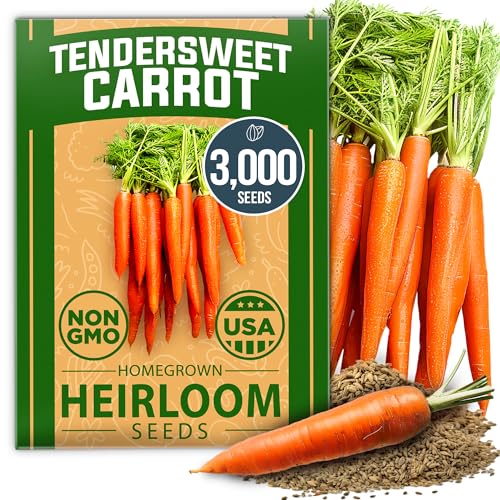
Premium Tendersweet Carrot Seeds: Authentic Open-Pollinated Premium Heirloom Seeds (USA) Non-GMO, Untreated, High Germination Rate. Phenomenal dessert Brix profile. High-impact carotene energy. An outstanding orange monolith for open ground, high ridges, and patio containers. Your garden bed is your pride.
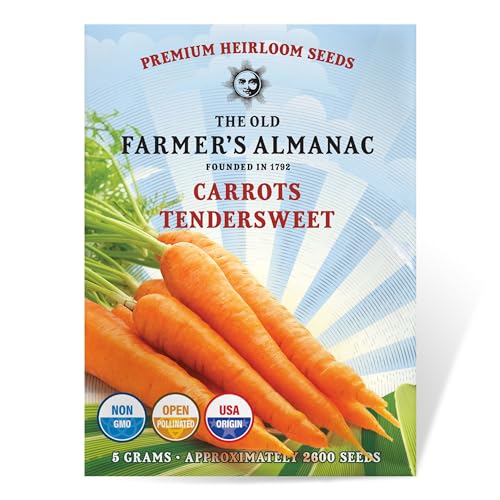
Premium Seeds: Tendersweet heirloom carrot variety offering approximately 2600 seeds for extensive garden planting and multiple growing seasons
Tips for Successfully Growing Carrots in Partial Shade
- Spacing: Ensure proper spacing between carrot seeds to allow room for growth without overcrowding.
- Soil Quality: Use well-draining, loose soil enriched with compost for optimal growth.
- Watering: Keep the soil consistently moist, especially during dry spells, to support healthy carrot development.
- Mulching: Apply a layer of mulch to help retain moisture and regulate soil temperature in partially shaded areas.
- Fertilization: Use a balanced fertilizer to provide essential nutrients for robust carrot growth.
- Monitoring: Regularly check for pests and diseases that may affect carrot plants in shady conditions.
- Adjusting Planting Time: Consider planting carrots earlier in the season to maximize sunlight exposure for better yields.
| Important Tips for Growing Carrots in Partial Shade |
|---|
| Spacing |
| Soil Quality |
| Watering |
| Mulching |
| Fertilization |
| Monitoring |
| Planting Time |
Harvesting and Storing Shade-Grown Carrots
When it comes to harvesting your shade-grown carrots, ensure they reach maturity before pulling them from the ground. Tender leaves and a vibrant root color are signs that your carrots are ready.
To harvest, gently loosen the soil around the carrots with a trowel or garden fork. Once they’re out, trim the tops to about an inch above the root to help store them longer.
- Trim the green tops as they can continue to draw moisture from the root.
- Brush off excess soil but avoid washing them to prevent spoilage.
- Store in a cool, dark place in a container filled with damp sand or peat moss for prolonged freshness.
| Temperature | Humidity | Shelf Life |
|---|---|---|
| 32-40°F | 90-95% | 4-6 months |
Conclusion
Growing carrots in partial shade is not only possible but can also yield delicious and nutritious results. Remember to wait for your carrots to mature before harvesting, ensuring optimal flavor and texture. When it’s time to harvest, gently loosen the soil and trim the tops for the best results. Storing your shade-grown carrots properly is key to maintaining their freshness for longer periods. By following the recommended storage tips, such as avoiding washing them and storing them in a cool, dark place, you can enjoy your home-grown carrots well beyond the harvest season. With the right care and attention, you can successfully grow and enjoy carrots even in areas with partial shade. Happy gardening!
Frequently Asked Questions
1. How can I determine if my shade-grown carrots are ready for harvesting?
Wait for your shade-grown carrots to reach maturity before harvesting. Look for signs like tender leaves and vibrant root color.
2. What is the recommended method for harvesting shade-grown carrots?
When harvesting, gently loosen the soil around the carrots and trim the tops to facilitate easier removal.
3. How should I store my shade-grown carrots for extended freshness?
Brush off excess soil from the harvested carrots, avoid washing them, and store them in a cool, dark place in damp sand or peat moss.
