

Have you ever noticed a strange reaction after munching on a fresh salad? You’re not alone. Many people enjoy romaine lettuce without a second thought, but for some, it can trigger unexpected symptoms. If you’ve been feeling under the weather after a healthy meal, you might wonder if you could be allergic to romaine lettuce.
This article will explore the signs of a romaine lettuce allergy and help you understand what to look for. Whether you’re a salad lover or just curious about food allergies, you’ll find valuable insights here. Let’s uncover the facts so you can enjoy your meals with confidence.
Key Takeaways
- Food Allergy Awareness: Be mindful that food allergies can develop at any age, and romaine lettuce is a potential allergen for some individuals.
- Identifying Symptoms: Common symptoms of a romaine lettuce allergy include hives, swelling, gastrointestinal issues, and, in severe cases, anaphylaxis.
- Diagnosis Process: A proper diagnosis typically involves a medical history review, a food diary, skin prick tests, and blood tests to confirm sensitivity to romaine lettuce.
- Avoidance is Key: The primary strategy to prevent allergic reactions is to avoid consuming romaine lettuce and check ingredient labels carefully.
- Treatment Options: For mild reactions, over-the-counter antihistamines can help; in severe cases, carrying an epinephrine auto-injector is essential for immediate treatment.
- Consult Healthcare Professionals: Regular consultations with allergists can provide personalized advice and effective management strategies for those with food allergies.
Understanding Food Allergies
Food allergies occur when your immune system mistakenly identifies a harmless substance as a threat. This response can trigger a variety of symptoms, which range from mild to severe. Common symptoms include hives, swelling, abdominal pain, nausea, and difficulty breathing. In extreme cases, an allergic reaction can lead to anaphylaxis, a life-threatening condition that requires immediate medical attention.
You can develop an allergy to nearly any food, including vegetables like romaine lettuce. Although rare, some individuals experience reactions specifically linked to certain proteins or contaminants in the lettuce. Sensitivity to other related foods, like celery or carrots, can indicate a broader food allergy.
To recognize potential food allergies, observe your body’s reactions after eating specific foods. If symptoms arise consistently after consuming romaine lettuce or any other item, consider keeping a food diary. Note the foods eaten, symptoms experienced, and timing. This information proves invaluable when consulting a healthcare professional.
Diagnosis often involves skin prick tests or blood tests. These tests help identify specific allergies so you can manage your dietary choices effectively. Avoiding known allergens is the primary strategy for prevention. When shopping, check labels for potential allergens and inform restaurant staff about your dietary restrictions.
Understanding food allergies requires awareness of your body’s responses and knowledge about the foods you consume. Taking proactive steps can help you enjoy your meals without concern for unnecessary allergic reactions.
Recommended Products

Homeopathic medicine that relieves Allergy symptoms
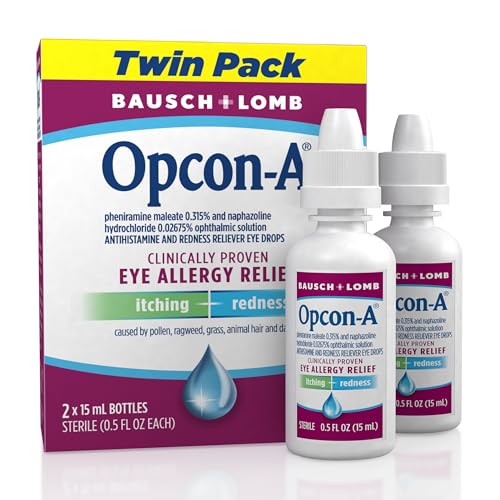
EYE DROPS FOR ALLERGIES AND EYE ITCHING: Opcon A eye drops combine an antihistamine with a redness reliever to help relieve itchy, red, irritated eyes. Temporary relief from itching & redness caused by pollen, ragweed, grass, animal hair & dander
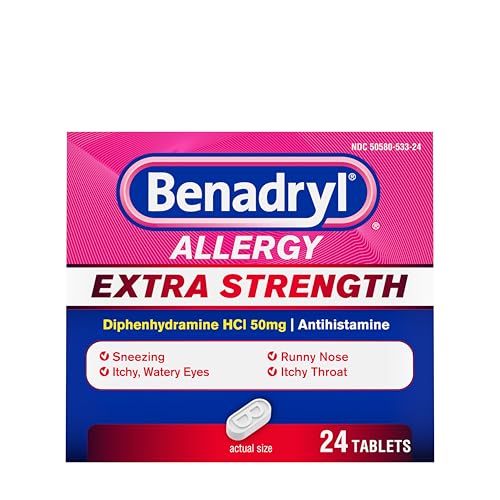
Keep Benadryl allergy relief medication on hand when you need relief for unexpected flare-ups; doctor recommended, extra strength allergy relief pills; safe, effective relief when used as directed
The Science Behind Allergies
Understanding allergies involves exploring how your immune system responds to different substances, including foods like romaine lettuce. When exposed to a protein in lettuce, your immune system can mistakenly view it as harmful, triggering an allergic reaction.
Immune System Response
Your immune system reacts to allergens by producing antibodies called Immunoglobulin E (IgE). When you consume romaine lettuce and your body identifies it as a threat, IgE antibodies attack the proteins present in the lettuce. This response causes the release of chemicals like histamines, leading to symptoms such as itching, swelling, or even severe reactions. If you notice symptoms after eating lettuce for the first time or after long periods without issues, it may indicate an allergy.
Common Allergens in Foods
Several foods are known to cause allergies, with romaine lettuce being less common. Common allergens include:
- Shellfish: Often triggers severe reactions, affecting many adults.
- Peanuts: Can cause anaphylaxis, particularly in children.
- Milk: A primary allergen in infants, presenting in various forms.
- Eggs: Common in children, many outgrow this allergy.
- Wheat: Includes gluten-related allergies and sensitivities.
- Soy: Present in many processed foods, causing reactions for some.
- Tree nuts: Typically linked to severe allergic responses.
- Fish: Common in adults and often linked to cross-reactivity.
It’s essential to pay attention to these allergens, as well as any others that may trigger symptoms. Always read labels carefully and consult a healthcare professional if you suspect a food allergy. Keeping a food diary helps track your reactions and can support any discussions with a doctor.
Can You Be Allergic to Romaine Lettuce?
Yes, it’s possible to be allergic to romaine lettuce. Some individuals experience allergic reactions after consuming this leafy green, often due to specific proteins. Understanding the symptoms and diagnosis can help you navigate your dietary choices safely.
Symptoms of Romaine Lettuce Allergy
Symptoms of a romaine lettuce allergy can vary widely. Common reactions may include:
- Hives: Raised, itchy welts on the skin.
- Swelling: Typically around the face, lips, tongue, or throat.
- Itching: Not just localized, this can affect various body parts.
- Gastrointestinal issues: Symptoms like nausea, vomiting, or diarrhea.
- Respiratory problems: Breathing difficulties, wheezing, or nasal congestion.
In severe cases, anaphylaxis may occur. This life-threatening reaction requires immediate medical attention. If you suspect an allergy, track your symptoms closely and consult a healthcare professional.
Diagnosis of Romaine Lettuce Allergy
Diagnosing a romaine lettuce allergy typically involves a combination of methods. Consider the following steps:
- Medical History Review: Your doctor will ask about your symptoms, food intake, and family history of allergies.
- Food Diary: Keeping a record of what you eat and any reactions can help pinpoint triggers.
- Skin Prick Test: A small amount of the allergen is applied to your skin to observe for a reaction.
- Blood Test: This test measures IgE antibodies to assess sensitivity to romaine lettuce.
Once diagnosed, the primary prevention strategy remains simple: avoid romaine lettuce and related foods. Stay informed about ingredients in packaged foods to minimize your risk of exposure.
Mitigating Allergic Reactions
Understanding how to mitigate allergic reactions to romaine lettuce can enhance your dining experience and ensure safety. Here are practical steps to consider.
Recommended Products

For Training Purposes Only

PERFECT FIT FOR EPIPEN & AUVI-Q: Designed to hold 1 EpiPen, epinephrine auto injector, Auvi-Q, or similar allergy medication. The compact size helps keep emergency medication protected and easy to locate at home, work, school, or while traveling.

【Perfect Fit for 1 EpiPen】The zipper opening and specially designed size make it easy to store a single EpiPen, allowing you to organize your epinephrine pen and quickly access your medication. The Epipen pouch ensures that your EpiPen is always within reach and won’t get lost.
Avoiding Romaine Lettuce
Avoiding romaine lettuce is crucial for anyone with a confirmed allergy. Always check ingredient lists on packaged foods. This includes salads, sandwiches, and dressings, as romaine lettuce may be hidden in unexpected places. Inform restaurant staff about your allergy to ensure they take proper precautions. Consider alternatives, such as spinach or arugula, to use in salads and other dishes.
Treatment Options
Treatment options for allergic reactions vary based on severity. For mild reactions, over-the-counter antihistamines can alleviate symptoms like itching and hives. It’s essential to keep these medications on hand, especially when dining out. Should you experience more severe symptoms, having an epinephrine auto-injector (EpiPen) available is vital. This device offers immediate treatment for anaphylaxis, a life-threatening reaction. Always follow up with a healthcare professional after using an EpiPen to ensure proper care.
Regular consultations with an allergist can provide significant insights and monitoring. They can offer personalized advice about managing your allergy and may suggest additional treatment options, including allergy shots if appropriate.
Conclusion
Being aware of potential allergies to romaine lettuce can help you enjoy your meals without worry. If you’ve experienced any unusual symptoms after eating it, it’s worth paying attention to your body’s signals. Keeping a food diary and consulting with a healthcare professional can provide clarity and guidance.
Remember to read ingredient labels and communicate your allergy to restaurant staff to ensure your safety. Alternatives like spinach or arugula can be delicious substitutes in your salads. Taking these steps will help you navigate your food choices confidently and keep those pesky allergic reactions at bay.
Frequently Asked Questions
Can you be allergic to romaine lettuce?
Yes, some individuals can develop an allergy to romaine lettuce. Symptoms may include hives, swelling, itching, gastrointestinal issues, or even respiratory problems. In severe cases, anaphylaxis can occur, requiring immediate medical attention.
What are the symptoms of a romaine lettuce allergy?
Symptoms can vary widely and may include hives, swelling, itching, stomach problems, and respiratory issues. On rare occasions, severe reactions like anaphylaxis can occur, which is life-threatening and requires immediate care.
How can I diagnose a romaine lettuce allergy?
Diagnosis typically involves a review of your medical history, maintaining a food diary, and performing skin prick or blood tests. Consulting with a healthcare professional is crucial for accurate diagnosis and guidance.
What should I do if I have a romaine lettuce allergy?
If you have a romaine lettuce allergy, avoid it entirely and inform others about your allergy. Always check ingredient lists on packaged foods and choose safe alternatives. Consult with an allergist for personalized management.
What are some alternatives to romaine lettuce?
If you’re allergic to romaine lettuce, consider using spinach or arugula as alternatives for salads. These leafy greens can provide a similar crunch and nutritional value without the allergy risks.
How can I manage mild allergic reactions?
For mild allergic reactions, over-the-counter antihistamines can help alleviate symptoms. However, always consult with a healthcare professional for personalized advice and treatment options.
What should I do in case of a severe allergic reaction?
In case of a severe allergic reaction, such as anaphylaxis, use an epinephrine auto-injector (EpiPen) immediately and seek emergency medical help. Quick action is crucial for your safety.
Is it important to consult with an allergist?
Yes, regular consultations with an allergist are important for personalized management of food allergies, including potential additional treatment options like allergy shots. They can provide valuable insights and help create a safety plan.
