

Ever wondered if your struggling tomato plants can bounce back from a pesky aphid infestation? Picture this: you’ve lovingly tended to your garden, only to find these tiny insects wreaking havoc on your precious tomatoes. But fret not! In this article, you’ll discover simple yet effective ways to help your tomato plants recover and thrive once again.
Have you noticed curled leaves or sticky honeydew residue on your tomato plants? These are telltale signs of aphids at work. But don’t despair – with the right knowledge and strategies, you can turn the tide in favor of your beloved tomatoes. By the end of this read, you’ll be equipped with practical tips to combat aphids and restore your tomato plants to their former glory.
Key Takeaways
- Early detection of aphids on tomato plants is crucial to prevent significant damage.
- Aphids can stunt plant growth and spread diseases, impacting the overall health of tomato plants.
- Strategies to combat aphids include natural predators, biological controls, and chemical or organic pesticides.
- Signs of recovery in tomato plants post-treatment include new growth and rejuvenated leaves within a few days to weeks.
- Prevention tips like crop rotation, mulching, proper spacing, regular inspections, pruning infested parts, and using strong water sprays can help avoid future aphid infestations.
Understanding Aphid Infestation on Tomato Plants
Aphids are tiny insects that can wreak havoc on your tomato plants if left unchecked. Here’s what you need to know about aphid infestations on your beloved tomatoes:
Identifying Aphid Presence
Spotting aphids early is crucial for preventing widespread damage to your tomato plants. Look out for these signs of aphid presence:
- Curled Leaves: If you notice curling or distortion in the leaves of your tomato plant, it could be a sign of aphids.
- Sticky Honeydew Residue: Aphids excrete a sticky substance called honeydew, which can attract ants and mold, further harming your plants.
Impact on Tomato Plant Health
Aphids can negatively impact the health of your tomato plants in several ways:
- Stunted Growth: Aphids feed on the sap of the plants, leading to stunted growth and reduced yields.
- Spread of Diseases: These pests can also transmit diseases from plant to plant, causing further damage to your garden.
By understanding how aphids affect your tomato plants, you can take proactive measures to protect them and ensure a bountiful harvest.
Strategies to Combat Aphids
When dealing with aphid infestations on your tomato plants, there are effective strategies you can implement to combat these pests. By utilizing natural predators and biological controls, as well as considering chemical and organic pesticides, you can protect your plants and ensure a successful harvest.
Recommended Products
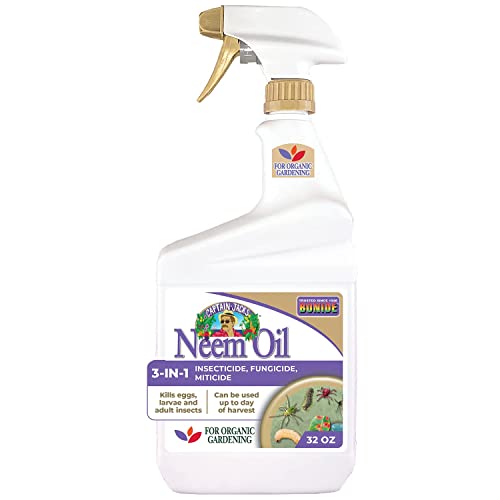
Protect your oasis with 3 garden products in 1 from Captain Jack’s; Bonide Captain Jack’s Ready-to-Use Neem Oil spray for plants is a multi-purpose fungicide, insecticide and miticide for your lawn & garden

FUNGAL DISEASE CONTROL: Prevents and controls black spot on roses, powdery mildew, rust, downy mildew, and other listed fungal diseases when applied on a 7–14 day schedule
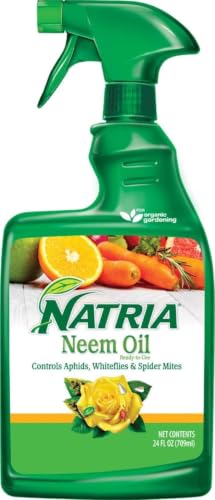
PLANT DISEASE CONTROL: Natria Neem Oil acts as an insecticide and fungicide in one convenient spray; Ready-to-use trigger sprayer requires no mixing
Natural Predators and Biological Controls
To naturally combat aphids in your garden, consider attracting beneficial insects like ladybugs, lacewings, or parasitic wasps. These predators feed on aphids, helping to keep their populations in check without the need for chemicals. Additionally, planting companion plants such as marigolds or dill can attract these beneficial insects to your garden.
Chemical and Organic Pesticides
If the aphid infestation is severe and requires immediate action, you may opt for chemical or organic pesticides. Chemical options like neem oil or insecticidal soap can effectively control aphids but should be used sparingly to minimize harm to beneficial insects. Organic alternatives such as garlic spray or pyrethrin-based products offer a more environmentally friendly approach while still targeting aphids effectively.
By incorporating a combination of these strategies based on the severity of the infestation and your gardening preferences, you can combat aphids effectively while promoting the health and vitality of your tomato plants.
Recovery Process for Tomato Plants
Recommended Products

3-in-1 FORMULA: Aphid spray for outdoor plants for use on roses, flowers, shrubs and trees to control listed insects, disease and mites
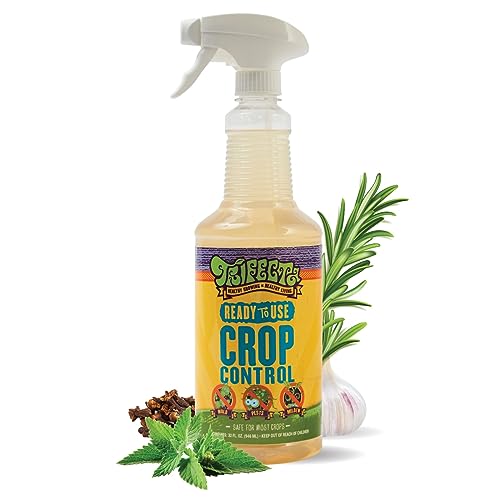
CROP, GARDEN & HOUSEPLANT INSECT CONTROL. Trifecta Crop Control all-natural, plant-based formula effectively combats destructive spider mites, aphids, whiteflies, fungus gnats, and other soft-bodied pests on indoor and outdoor plants. Our biodegradable, eco-friendly solution is safe for use on edible crops, without chemical residues. Our gentle yet potent plant spray suffocates and dehydrates pests without harming beneficial insects or the environment, making it ideal for organic gardening.

Signs of Recovery
After successfully treating aphid infestations on your tomato plants, you may start noticing signs of recovery within a few days. New growth appearing on previously affected areas is a positive indicator that your plants are bouncing back. Look out for rejuvenated leaves and stems as clear signals that your tomatoes are recovering.
Timeframe and Expectations
The timeframe for complete recovery can vary based on the severity of the aphid damage and the effectiveness of your chosen treatment methods. Typically, with proper care and monitoring, tomato plants can fully recover from aphid attacks in 2 to 4 weeks. However, it’s important to manage your expectations; some plants may take longer to regain their full health depending on individual factors like overall plant condition and environmental conditions.
By staying vigilant and providing ongoing care post-treatment, you can help expedite the recovery process for your tomato plants. Keep an eye on any lingering signs of distress and continue implementing preventive measures to ensure long-term plant health.
Prevention Tips for Future Infestations
To prevent future aphid infestations on your tomato plants, here are some practical tips you can follow:
Recommended Products

READY-TO-USE CONTACT SPRAY: No mixing required. Thoroughly spray insecticide on all plant parts, including the underside of leaves. Pests must be sprayed directly to achieve control

(3) bottles 8 OZ, Ready To Use, Tomato & Blossom Set Spray

Increase yield and promote a healthy harvest in your home garden with Tomato & Blossom Set Spray from Bonide
Cultural Practices
- Rotate Your Crops: Planting tomatoes in the same spot year after year can lead to pest buildup. Rotating crops helps disrupt the life cycle of pests like aphids.
- Mulch Regularly: Applying mulch around your tomato plants helps retain moisture, regulate soil temperature, and reduce weed growth, creating a less hospitable environment for aphids.
- Proper Spacing: Ensure adequate spacing between tomato plants to promote air circulation and minimize the spread of aphids from plant to plant.
- Inspect Plants Often: Regularly check your tomato plants for any signs of aphids, such as clusters of small insects or sticky honeydew residue on leaves.
- Prune Infested Parts: If you spot aphids on your plants, promptly prune and dispose of heavily infested areas to prevent further spread.
- Use Strong Sprays: Spray your plants with a strong stream of water to dislodge aphids. This physical method can help control small infestations without resorting to chemicals.
By incorporating these preventive measures into your gardening routine, you can significantly reduce the risk of future aphid infestations and ensure the continued health of your tomato plants.
Conclusion
Now that you’ve learned about the impact of aphids on tomato plants and effective strategies to combat them, remember that timely intervention is key. Observing signs of recovery after treatment, such as new growth and healthier leaves, reassures you that your efforts are paying off. Looking ahead, implementing preventive measures like crop rotation and regular plant inspections can safeguard your tomato plants from future infestations. By staying vigilant and proactive in your approach to aphid management, you’ll ensure the continued well-being of your garden’s prized tomatoes.
Frequently Asked Questions
How can I identify aphids on my tomato plants?
Aphids are small, pear-shaped insects that can be green, black, red, or brown. They cluster on new growth and the undersides of leaves. Look for sticky honeydew residue and sooty mold as signs of their presence.
What are the negative impacts of aphids on tomato plants?
Aphids can cause stunted growth, distorted leaves, yellowing, wilting, and even transmit diseases like viruses to your tomato plants.
How can I combat aphids on my tomato plants?
Use natural predators like ladybugs or lacewings, biological controls such as parasitic wasps, or organic pesticides like neem oil or garlic spray to control aphid infestations effectively.
How long does it take for tomato plants to recover from an aphid infestation post-treatment?
Typically, you can expect to see signs of recovery within 2 to 4 weeks after implementing treatment measures. Look for new growth and rejuvenated leaves and stems as positive indicators.
What preventive measures can I take to avoid future aphid infestations on my tomato plants?
Prevent future infestations by practicing crop rotation, mulching around plants, ensuring proper spacing between tomatoes, conducting regular plant inspections for early detection, pruning off heavily infested parts promptly, and using strong water sprays to dislodge aphids.
