

Have you ever wondered if you can still grow lettuce when the temperatures rise? Many gardeners face this challenge during the hot summer months. It can be frustrating to see your favorite greens wilt or bolt under the sun’s intensity.
But don’t worry—this article will explore how you can successfully grow lettuce even in the heat. You’ll discover tips on choosing the right varieties and techniques to keep your plants thriving. Whether you’re an experienced gardener or just starting out, you’ll find valuable insights to help you enjoy fresh, crunchy lettuce all summer long.
Key Takeaways
- Lettuce Growth Temperatures: Lettuce prefers cooler conditions, ideally thriving between 60°F to 70°F (15°C to 21°C), with excessive heat leading to bolting and bitterness.
- Heat-Resistant Varieties: Consider planting heat-tolerant varieties such as Romaine, Butterhead, and Looseleaf, which resist bolting and maintain flavor in warmer temperatures.
- Effective Planting Techniques: Use strategies like timing your planting, succession planting, and mulching to promote continuous growth and healthy moisture levels during hot weather.
- Identifying Heat Stress: Watch for signs of heat stress, such as wilting, bitterness, bolting, and leaf discoloration, to take prompt corrective measures like shading and increased watering.
- Optimal Watering Practices: Water deeply but less frequently, aiming for 1 to 2 inches per week, and utilize drip irrigation to maximize efficiency and reduce evaporation.
- Utilizing Shade: Provide partial shade during peak sun hours using shade cloth or row covers, and apply organic mulch to help retain soil moisture and regulate temperature.
Overview of Lettuce Growth
Lettuce thrives in cooler temperatures, often flourishing between 60°F and 70°F (15°C and 21°C). When temperatures exceed 75°F (24°C), growth can suffer. Higher heat can prompt lettuce to bolt, which leads to flowering and bitter flavor. This makes understanding growth conditions vital for successful gardening in warm weather.
Ideal Conditions for Lettuce
- Soil: Use well-drained, nutrient-rich soil. Aim for a pH between 6.0 and 7.0. Mix compost into your soil to improve fertility.
- Water: Maintain consistent moisture. Aim for 1 to 1.5 inches (2.5 to 3.8 cm) of water per week. Consider using drip irrigation to reduce evaporation.
- Light: Provide partial shade during peak sun hours. Plant your lettuce in areas that receive morning sunlight and afternoon shade.
Best Lettuce Varieties for Heat
Certain varieties of lettuce handle heat better than others. Consider these options:
- Romaine: Known for its crisp leaves and resilience, romaine tends to hold up well against heat.
- Butterhead: Offers a sweet flavor and tends to bolt less quickly in warm conditions compared to other types.
- Looseleaf: Grows quickly and adapts well to varying temperatures. Try varieties like ‘Red Romaine’ for visual interest.
Planting Techniques
- Timing: Start sowing seeds indoors 4-6 weeks before the last frost. Transplant seedlings outdoors as temperatures warm.
- Succession Planting: Plant every 2-3 weeks for continuous harvest. This method provides fresh lettuce throughout the summer.
- Mulching: Apply a layer of organic mulch to keep soil temperatures down and retain moisture. Use straw or shredded leaves for best results.
Troubleshooting Heat Stress
If you notice signs of heat stress, take immediate action:
- Shade: Utilize shade cloth to protect your lettuce from intense sun during the hottest part of the day.
- Watering: Increase watering frequency slightly, ensuring the soil remains moist but not waterlogged.
- Harvesting: Regularly harvest outer leaves to encourage new growth. This practice helps reduce stress on the plant.
By selecting the right varieties and employing effective planting techniques, you can enjoy a bountiful lettuce harvest, even in hot weather.
Effects of Heat on Lettuce
High temperatures significantly affect lettuce growth. Heat can lead to several physiological changes, including accelerated bolting and altered flavor profiles. Understanding these effects helps you mitigate challenges when growing lettuce in hot weather.
Recommended Products

🥬 Heat-Tolerant Upright Romaine: Jericho Romaine Lettuce (Lactuca sativa) forms tall, sturdy heads with crisp ribs and tender, mildly sweet leaves. Known for its strong heat tolerance compared to many romaine varieties, it grows 18–24 inches tall and delivers reliable harvests in extended spring and early summer conditions.
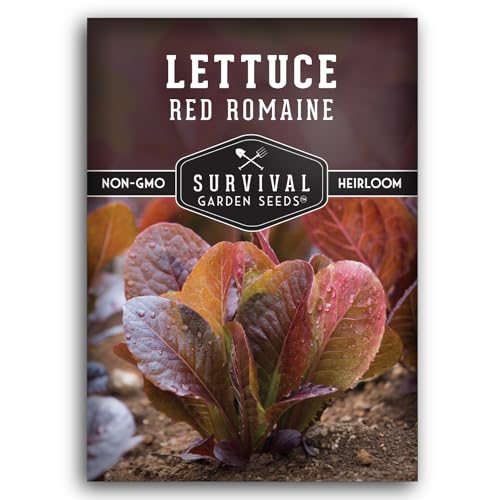
RED ROMAINE SEEDS FOR PLANTING – Striking lettuce has burgundy-to-ruby red leaves with crisp green hearts create a bold contrast in the garden and add vibrant color and flavor to Caesar salad and other dishes

🥬 Winter Density Lettuce: 65 days until Maturity. Latin Name: Lactuca sativa. Open Pollinated. The plant produces heavy yields of dark green romaine lettuce. Leaves are tightly folded and have a delicious sweet flavor. Lettuce retains its crisp sweetness best when harvested in the morning.
Temperature Tolerance
Lettuce thrives best at temperatures ranging from 60°F to 70°F (15°C to 21°C). While some heat-tolerant varieties endure temperatures up to 85°F (29°C), most traditional types struggle. Choosing heat-resistant varieties like Butterhead or Romaine can improve your success in warm conditions. Planting in partial shade or using row covers can further protect plants from extreme heat.
Signs of Heat Stress
Identifying heat stress in lettuce is crucial for timely intervention. Common signs include:
- Wilting: Leaves may droop and lose turgor.
- Bitter Flavor: Increased temperatures can intensify bitterness, diminishing taste quality.
- Bolting: Stalks elongate rapidly, promoting flower production instead of leaf growth.
- Leaf Discoloration: Leaves may turn yellow or exhibit scald marks.
Addressing these signs promptly ensures healthier plants. Regularly monitor your lettuce, particularly during heat waves, and implement watering and shading strategies to alleviate stress.
Types of Lettuce Suitable for Hot Weather
Selecting the right type of lettuce is crucial for successful growth in hot weather. Some lettuce varieties withstand high temperatures and prevent issues like bolting and bitterness.
Recommended Products
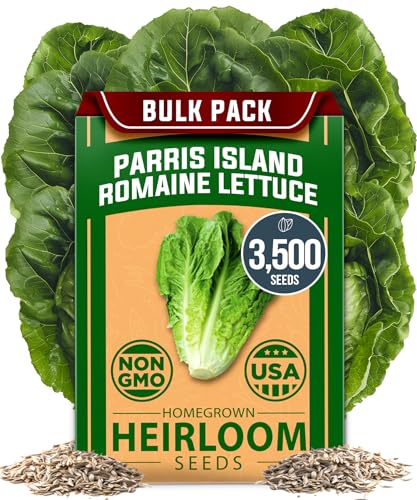
HIGH GERMINATION RATE FOR RELIABLE GROWTH - Our Parris Island Romaine Lettuce Seeds boast an impressive germination rate. High quality and rapid sprouting heirloom lettuce seeds ensuring a bountiful harvest for your vegetable garden.

CLASSIC HEIRLOOM LETTUCE SEEDS – Black-seeded Simpson is a beloved loose-leaf lettuce with light green ruffled leaves and sweet mild taste, ideal for fresh salads and easy harvests from spring through fall

Classic Romaine Variety Parris Island Romaine produces tall, upright heads with dark green outer leaves and a firm, pale center commonly used for fresh salads and wraps.
Heat-Tolerant Varieties
- Romaine: This variety thrives in warm conditions and has a crisp texture. It’s less likely to bolt compared to others.
- Butterhead: Known for its tender leaves, butterhead lettuce shows good heat resistance and maintains a pleasant flavor even in warmer temperatures.
- Looseleaf: Looseleaf varieties grow quickly and can withstand heat better than many other types. They produce multiple harvests from a single plant.
- Crisphead: Certain crisphead varieties offer heat tolerance, making them a suitable choice for summer planting.
- Timing: Plant lettuce early in spring or late summer to avoid extreme heat. Consider using fall planting for a fall harvest.
- Shade: Provide partial shade during the hottest parts of the day. Using shade cloth can help regulate temperature and reduce stress.
- Soil Moisture: Maintain consistent soil moisture through regular watering. Lettuce prefers moist soil but avoid waterlogging, which can lead to root rot.
- Mulching: Apply organic mulch to retain soil moisture and regulate temperature. Pine needles or straw work well for this purpose.
- Companion Planting: Plant heat-tolerant crops nearby. Plants like tomatoes or peppers can offer some shade while optimizing garden space.
Using these heat-tolerant varieties and growing techniques, you can cultivate a thriving lettuce garden even during the hottest months.
Best Practices for Growing Lettuce in Heat
Growing lettuce in hot weather requires specific techniques and practices to ensure healthy plants. Adopting the right methods can enhance your chances of a bountiful harvest, even during sweltering months.
Recommended Products

Exceptional Germination Rates - Achieve a lush garden effortlessly with our Butter Crunch Lettuce seeds, boasting high germination rate. Ideal for both beginners and experienced gardeners, ensuring a successful harvest every time.

YEAR-ROUND GARDEN FAVORITE – Dependable butterhead lettuce that thrives in cool or moderate weather for consistent harvests from spring through fall, even under cover in winter

VIBRANT RED LEAF LETTUCE SEEDS – Distinct curly leaves with rich burgundy color and mild, sweet flavor make Lolla Rossa a standout choice for colorful salads and fresh table greens
Watering and Irrigation
Water lettuce deeply but less frequently. Aim for about 1 to 2 inches of water per week, adjusting for rainfall. Check the soil moisture by sticking your finger an inch deep; if it feels dry, it’s time to water. Use drip irrigation or soaker hoses, which deliver moisture directly to the roots and reduce evaporation. Avoid watering in the evening to prevent fungal diseases. Focus on early morning for optimal results.
Shade and Mulching Techniques
Provide partial shade during the hottest part of the day. Use shade cloth or row covers to protect lettuce from direct sunlight. This helps keep the soil cooler and reduces stress on the plants. Apply a layer of organic mulch, like straw or grass clippings, around the base of the plants. Mulch retains moisture and regulates soil temperature. Aim for a thickness of 2 to 4 inches, ensuring it doesn’t touch the plant stems. These strategies keep your lettuce thriving even under harsh conditions.
Conclusion
Growing lettuce in hot weather doesn’t have to be a struggle. With the right strategies and heat-tolerant varieties you can enjoy fresh, crisp lettuce even during those scorching months. Remember to keep your plants well-watered and provide some shade to protect them from the harsh sun.
By implementing these tips and tricks you’ll set yourself up for success. So go ahead and give it a try. Your summer salads will thank you for it!
Frequently Asked Questions
What are the main challenges of growing lettuce in hot weather?
Growing lettuce in hot temperatures can lead to issues such as bolting, where the plant quickly goes to seed, and a bitter flavor. High heat can stress the plants, making it difficult to produce tender, flavorful leaves.
Which lettuce varieties are best for hot weather?
For hot weather, consider heat-tolerant varieties such as Romaine, Butterhead, Looseleaf, and Crisphead. These types are better suited to withstand high temperatures while maintaining quality.
What techniques can help grow lettuce during summer?
Techniques include early spring or late summer planting, providing shade, maintaining soil moisture, and using mulch. Companion planting can also enhance growth by creating a conducive environment.
How should I water lettuce in hot conditions?
Use deep but infrequent watering methods. Drip irrigation or soaker hoses are recommended, and avoid watering in the evening to prevent fungal issues. This helps maintain soil moisture without over-saturation.
What is the role of shade in growing lettuce in heat?
Providing partial shade can significantly lower soil temperatures and reduce stress on lettuce plants during hot weather. This environment helps prevent bolting and promotes healthy leaf growth.
Why is organic mulch recommended for lettuce?
Organic mulch helps regulate soil temperature and moisture levels, keeping the ground cool in the heat. It also reduces weed competition, which can further benefit lettuce growth during warm months.
