

Have you ever thought about growing your own lettuce but felt limited by space? If you live in an apartment or have a small yard, you might think it’s impossible. The good news is that lettuce is one of the easiest crops to grow in containers, making it a perfect choice for urban gardeners.
Key Takeaways
- Lettuce Thrives in Containers: Growing lettuce in containers is ideal for small spaces such as apartments or patios, providing flexibility in placement and access to sunlight.
- Container Requirements: Use containers that are 6 to 12 inches deep, made from moisture-retaining materials (like plastic, ceramic, or wood), and ensure they have proper drainage to prevent root rot.
- Optimal Growing Conditions: Lettuce requires 6 to 8 hours of sunlight daily and thrives in temperatures between 60°F and 70°F to avoid bolting.
- Watering and Feeding: Keep the soil consistently moist but not soggy, and apply a balanced slow-release fertilizer every 4 to 6 weeks to promote healthy growth.
- Best Varieties for Containers: Leaf lettuce varieties like Butterhead and Oak Leaf or head lettuce such as Crisphead do well in container gardening, providing options for continuous harvesting.
- Pest and Disease Management: Monitor for common pests like aphids and maintain good air circulation around containers to prevent diseases, ensuring a successful container gardening experience.
Can Lettuce Grow in Containers?
Yes, lettuce can thrive in containers. Container gardening suits small spaces, making it perfect for urban areas. Growing lettuce in pots offers flexibility in placement, allowing you to maximize sunlight and convenience.
Choosing the Right Container
- Size: Use containers that are at least 6 to 12 inches deep. This depth supports healthy root growth.
- Material: Select materials like plastic, ceramic, or wood, which retain moisture while being lightweight.
- Drainage: Ensure your container has drainage holes to prevent water from accumulating and causing root rot.
Best Soil for Lettuce
- Potting Mix: Use a high-quality potting mix designed for container gardens. It encourages drainage and provides necessary nutrients.
- Organic Matter: Incorporate compost or well-rotted manure to enrich the soil. This boosts fertility in the container.
Optimal Growing Conditions
- Sunlight: Lettuce prefers 6 to 8 hours of sunlight daily. Position your containers in sunny spots for best results.
- Temperature: Ideal temperatures range from 60°F to 70°F. Monitor heat levels, as excessive heat can cause bolting.
Watering Lettuce in Containers
- Frequency: Water consistently, keeping the soil moist but not soggy. Container soil dries faster than garden soil.
- Method: Water at the base to avoid wetting the leaves. This practice reduces the risk of disease.
Fertilizing Tips
- Type: Use a balanced, slow-release fertilizer every 4 to 6 weeks. This provides steady nutrients as the plants grow.
- Application: Follow package instructions to avoid over-fertilization, which can harm lettuce.
- Common Issues: Watch for aphids and snails. Use organic insecticidal soap or hand-pick pests to manage infestations.
- Disease Prevention: Ensure good air circulation around your containers. Avoid overcrowding to minimize disease risk.
Growing lettuce in containers creates a rewarding gardening experience. With the right conditions and care, you’ll enjoy fresh, home-grown lettuce from your own space.
Benefits of Growing Lettuce in Containers
Growing lettuce in containers offers practical advantages, making it an appealing option for urban gardeners. Container gardening allows you to optimize limited space while enjoying fresh produce.
Space Efficiency
Containers maximize space usage. You can arrange pots on balconies, patios, or even window sills. Use vertical planting options, such as stacking planters, to grow more lettuce without consuming valuable ground space. An array of containers can fit into small areas while still providing a bountiful harvest.
Accessibility
Container gardening enhances accessibility. Moving containers closer to your kitchen simplifies harvesting. With their portability, you can easily relocate pots to adjust sun exposure or protect them from harsh weather. This flexibility means you can tend to your lettuce even if you lack a traditional garden.
Choosing the Right Container
Choosing the right container is essential for successfully growing lettuce. The size and material both influence growth, yield, and ease of care.
Recommended Products

PRODUCE STORAGE CONTAINER + COLANDER: This produce saver features an adjustable air vent & water reservoir to create the ideal environment for fresh fruits & vegetables, keeping them fresh longer.

Tupperware lettuce crisper keeps lettuce fresh and flavorful

DURABLE:This food pan is made of food grade PET material, it's sturdy and reliable. Please noted that the lid cannot provide an airtight seal, but it remains closed when stored. It's perfect for serving salads, fruits, and other dishes.Not recommended for grains and liquids incase be knocked over and difficult to clean.If you mind the lid not being sealed, please do not purchase.
Size and Depth
Select a container that is 6 to 12 inches deep to provide enough room for lettuce roots. A larger volume enhances moisture retention, which is crucial for consistent growth. Consider using multiple smaller containers for variety or different lettuce types. If you’re limited on space, opt for shallower containers, ensuring they still meet the minimum depth requirement.
Material Selection
Choose materials that support healthy plant growth. Options include:
- Plastic: Lightweight and cost-effective, plastic containers often come with drainage holes. They retain moisture well but may heat up quickly in direct sunlight.
- Ceramic: Attractive and heavy, ceramic pots provide stability. Ensure they have drainage holes, as they can retain too much moisture if not emptied regularly.
- Wood: Natural and appealing, wooden containers allow for good drainage. Use untreated wood to avoid chemicals harming the plants, and ensure the wood is thick enough to prevent rotting.
Considering these factors helps ensure your lettuce thrives in any container setup.
Best Lettuce Varieties for Container Gardening
Growing lettuce in containers offers a fun way to enjoy fresh greens. Certain varieties thrive in limited space and adapt well to container conditions. Here are some of the best options for your container gardening:
Recommended Products

Comprehensive 12 Piece Set: this hydroponic herb planting kit provides a comprehensive 12-piece set, includes 12 mason jars, 12 planting baskets, 12 pre-seeded growing plugs, and 12 water absorbent cores to meet all your planting needs

ALL-IN-ONE INDOOR GARDEN KIT: Complete indoor gardening system functions like a compact hydroponics growing system kit, pairing three coordinated Counterstands with a dedicated LED grow light so you can start cultivating herbs and leafy greens right away, ideal for anyone who wants a streamlined indoor gardening system without piecing components together.
Leaf Lettuce
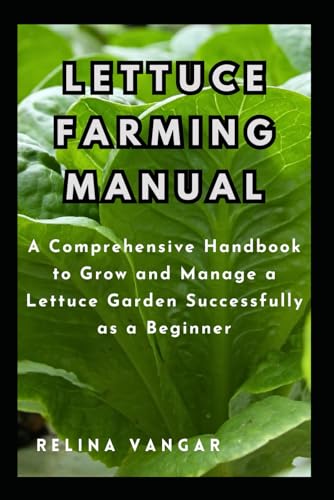
Leaf lettuce is perfect for containers due to its quick growth and continuous harvest potential. Varieties like Butterhead, Oak Leaf, and Red Romaine produce tender leaves you can pick as needed. Leaf lettuce grows well in smaller pots, about 6 to 12 inches deep. Space them roughly 6 to 8 inches apart to allow room for spreading. Because they can tolerate some shade, these varieties adapt well in areas with partial sunlight.
Head Lettuce
Head lettuce, or iceberg lettuce, is another great choice for container gardening. Varieties like Crisphead and Butterhead cultivate firm heads that develop beautifully in larger pots. Aim for pots at least 10 to 12 inches deep for best results. Site them in full sun to promote compact growth and sweeter flavor. When spacing, keep heads about 12 inches apart to ensure they have adequate room to grow. This variety may require more consistent watering to maintain moisture levels in the soil.
By selecting these varieties, you create a thriving container garden for fresh, home-grown lettuce right at your doorstep.
Care and Maintenance Tips
Proper care and maintenance ensure healthy lettuce growth in containers. Follow these tips for successful gardening.
Recommended Products

ALL-NATURAL MIX: Burpee Organic Premium Potting Mix is formulated with plant food & coconut coir to promote seed & root growth and healthy flower, vegetable & herb plants. OMRI Listed for organic use.


Watering and Drainage
Watering requires careful attention. You should water lettuce consistently, aiming for the soil to remain moist but not soggy. Check the top inch of soil; if it feels dry, it’s time to water. Use containers with drainage holes to prevent water from pooling at the bottom. Good drainage stops root rot, ensuring healthy plants.
Consider using a self-watering container if you’re often busy. This type of container provides steady moisture levels. If you can’t monitor daily, choose a container that helps maintain consistent soil moisture.
Fertilization Techniques
Fertilization supports growth and yield. Apply a balanced, slow-release fertilizer every 4 to 6 weeks. Opt for fertilizers with equal parts nitrogen, phosphorus, and potassium (e.g., 10-10-10). These nutrients promote robust growth and encourage lush leaves.
If you prefer organic options, compost tea or worm castings offer excellent nutrients. Mix a handful into the soil every few weeks as an alternative fertilization method.
Remember to follow the manufacturer’s instructions for any fertilizer. Over-fertilization can harm your plants, so it’s best to apply sparingly.
Conclusion
Growing lettuce in containers is a fantastic way to enjoy fresh greens right from your home. With just a little effort and the right conditions you can create a thriving garden even in limited spaces.
Remember to choose the right container and keep an eye on the sunlight and watering needs. Whether you’re a seasoned gardener or just starting out container gardening can be a fun and rewarding hobby.
So go ahead and give it a try. Your taste buds will thank you for the delicious home-grown lettuce!
Frequently Asked Questions
Can I grow lettuce in small spaces?
Yes, you can grow lettuce in small spaces such as apartments or small yards. Container gardening is ideal for this, allowing you to maximize sunlight and space.
What are the best containers for growing lettuce?
Containers that are 6 to 12 inches deep are recommended. Materials such as plastic, ceramic, or untreated wood work well. Ensure your container has proper drainage.
How much sunlight does lettuce need?
Lettuce requires 6 to 8 hours of sunlight daily to thrive. Position your containers accordingly to ensure they receive adequate light.
What is the ideal temperature for growing lettuce?
Lettuce grows best in temperatures between 60°F and 70°F. Keeping your plants within this range can enhance their growth and health.
How often should I water lettuce in containers?
Water lettuce consistently, keeping the soil moist but not soggy. Check your soil regularly to maintain proper moisture levels.
What type of fertilizer should I use for lettuce?
Use a balanced, slow-release fertilizer every 4 to 6 weeks. You can also opt for organic alternatives like compost tea or worm castings.
What are the best lettuce varieties for containers?
Leaf lettuces like Butterhead and Oak Leaf are excellent for smaller pots. Head lettuce varieties like Crisphead and Butterhead are also good but need larger pots.
How can I prevent pests when growing lettuce?
Monitor for common pests like aphids and snails. Maintain good air circulation and consider using natural deterrents to protect your lettuce.
Can I use self-watering containers for lettuce?
Yes, self-watering containers are a great option for lettuce, especially for those with busy schedules, as they help maintain consistent moisture levels.
What are the benefits of container gardening for lettuce?
Container gardening allows for efficient use of limited space, easy access for harvesting, and flexibility in adjusting sun exposure and protection from the weather.
