

Ever wondered if you can still grow lettuce when the temperatures drop? You’re not alone. Many gardeners face the challenge of wanting fresh greens during the chilly months. The good news is that lettuce is surprisingly resilient and can thrive even in cooler weather.
Key Takeaways
- Lettuce Varieties Matter: Choose cold-tolerant varieties like Butterhead, Romaine, and Green Leaf for successful growth in cooler temperatures, as heat-sensitive types may struggle and yield poor results.
- Ideal Temperature Range: Lettuce thrives best between 45°F and 75°F (7°C to 24°C), with some varieties able to withstand temperatures as low as 20°F (-6°C), making early spring and late fall ideal planting times.
- Soil Quality is Crucial: Use well-draining, loamy soil rich in organic matter for optimal lettuce growth, ensuring a soil pH between 6.0 and 7.0 for nutrient availability.
- Extended Growing Season: Cultivating cold-tolerant varieties allows for an extended growing season, providing fresh greens well into the cooler months when other crops may not survive.
- Frost Protection Techniques: Use protective measures like frost cloth, row covers, and mini-greenhouses to guard against frost damage, which can adversely affect lettuce yield and quality.
- Continuous Harvest Strategies: Implement succession planting and proper timing in order to enjoy a steady supply of fresh lettuce, while regularly monitoring weather conditions to respond to unexpected temperature drops.
Understanding Lettuce Varieties
Lettuce comes in several varieties, each with unique characteristics regarding temperature tolerance. Knowing these varieties helps in selecting the right types for colder climates.
Cold Tolerant Varieties
Cold tolerant varieties thrive in low temperatures and can withstand frost. Some popular types include:
- Butterhead: This variety is known for its soft, buttery leaves. It grows well in cooler weather and often remains sweet even after frost.
- Romaine: Romaine lettuce can handle temperatures as low as 20°F (-6°C). Its sturdy leaves stay crisp throughout the cold months.
- Green Leaf: Green leaf lettuce is also frost-resistant. Its loose, ruffled leaves provide a tender texture and a mild flavor.
You can plant these varieties in early spring or fall, ensuring continued growth through chilly periods.
Heat-Sensitive Varieties
Heat-sensitive varieties struggle in cold conditions and may bolt or become bitter. Common heat-sensitive types include:
- Iceberg: Iceberg lettuce prefers warmer temperatures and won’t develop properly in cold weather. This variety often turns bitter and stunted in frost.
- Buttercrunch: While it’s somewhat tolerant, Buttercrunch does best when temperatures are above 50°F (10°C). Below this threshold, it may bolt prematurely.
- Lollo Rosso: This decorative lettuce is best suited for warmer months. Cold can cause it to lose shape and flavor.
These varieties are best reserved for warmer seasons, ensuring lush growth and optimal flavor. Consider planting them once the risk of frost has passed to avoid disappointment.
Optimal Conditions for Growing Lettuce
Growing lettuce in cold weather requires specific conditions. Understanding these optimal factors ensures your lettuce thrives, even when temperatures dip.
Recommended Products

Complete Lettuce Garden Starter Kit Indoor – 5 heirloom salad and green seed packets, 8 biodegradable soil disks, 8 plant markers, and 8 starter pots. Romaine, Spinach, Arugula, Kale and Buttercrunch lettuce heirloom seeds are the star of the set!


Heirloom Non-GMO Seeds: The seed pod kit contains 6 kinds of lettuce seeds, they are Red&Green Leaf Lettuce, Romaine, Butter Head, Black Seeded Simpson, Red Sail, Marvel of 4 Seasons. Various kinds of lettuce seeds, each one is rich in nutritional value. 100% Non-GMO, open pollinated
Temperature Ranges
Lettuce prefers cooler temperatures, typically thriving between 45°F and 75°F (7°C to 24°C). Some cold-tolerant varieties can handle temperatures as low as 20°F (-6°C) without significant harm. You’ll notice that when temperatures exceed 80°F (27°C), lettuce may bolt, yielding bitter flavors and inedible leaves. For optimal flavor and growth, aim for planting in early spring or late fall when the temperatures remain mild.
Soil Requirements
Lettuce flourishes in well-draining, loamy soil rich in organic matter. Aim for a soil pH between 6.0 and 7.0. High-quality compost significantly enhances nutrient availability. Before planting, prepare the soil by mixing in a generous amount of compost. This practice improves moisture retention and ensures adequate drainage—two crucial factors for healthy lettuce. Regularly check the soil moisture; lettuce prefers consistently moist soil but dislikes standing water.
Benefits of Growing Lettuce in Cold Weather
Growing lettuce in cold weather offers distinct advantages that can enhance your gardening experience and yield flavorful greens.
Extended Growing Season
You can extend your growing season by cultivating cold-tolerant lettuce varieties. Planting in early spring or late fall allows you to take advantage of milder temperatures when other crops might struggle. Varieties like Butterhead and Romaine can thrive even after frost, providing fresh greens when most gardens are dormant. This extended growing season means you can enjoy homegrown lettuce several months longer than traditional planting schedules allow.
Improved Flavor and Texture
Cold weather actually improves the flavor and texture of lettuce. As temperatures drop, lettuce develops a sweeter taste and crisp texture, resulting from slower growth and less water content. This natural sweetness enhances the quality of your salads and dishes. Cold-tolerant varieties also tend to remain tender and juicy, making them ideal for fresh consumption. For example, Arugula and Buttercrunch exhibit notable flavor improvement in cooler conditions, ensuring your harvest tastes its best.
Challenges of Growing Lettuce in Cold Weather
Growing lettuce in cold weather presents specific challenges, but understanding these can help you manage them effectively.
Recommended Products

Beautiful - Large, premium packet of a blend of heirloom Lettuce seeds (Latuca sativa). This surprising mix of pretty and colorful lettuces will be a welcome addition to your garden in early spring and fall. Minimum of 600 mg per packet (about 650 seeds).
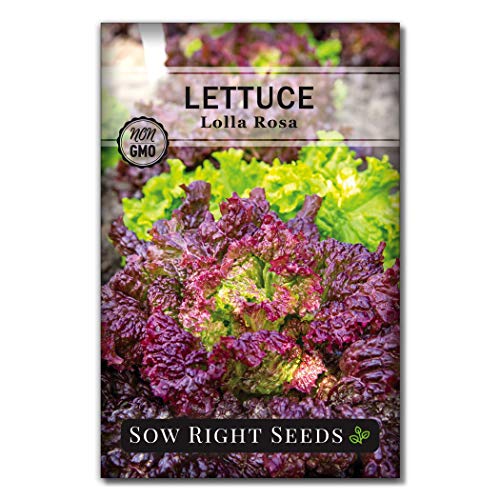
Beautiful - Full color packet of Lolla Rosa Lettuce (Lactuca sativa) Seed. Curly, dark magenta and green leaves form loose heads. This is a "cut and come again" variety that can be cut down to 2" and regrown for another harvest. Slow bolting and cold tolerant, this lettuce is great for cool weather. Minimum of 600mg per packet (about 650 seeds).

Beautiful – Large premium packet of Red Romaine Lettuce (Lactuca sativa) seeds. A crisp cos lettuce variety with unusual deep red, elongated leaves. The color deepens as it matures and is most vibrant when grown in cooler weather. Adds a beautiful color contrast to sandwiches or salads. Minimum of 600 mg per packet (about 550 seeds).
Frost Damage
Frost poses a significant threat to lettuce, damaging leaves and impacting overall yield. Frost can occur when temperatures drop to 32°F (0°C) or lower. While many cold-tolerant varieties can withstand light frost, severe frost can harm them. To protect your plants, cover them with frost cloth or row covers during cold nights. You might also consider planting them in well-drained areas to prevent frost accumulation. For example, floating row covers can trap heat and reduce frost exposure.
Pest and Disease Management
Cold weather doesn’t eliminate pests and diseases; it can shift their behavior. Certain pests, like aphids, may thrive in cooler temperatures. Regularly inspecting your lettuce for signs of pests or diseases is crucial. Use natural insecticides like neem oil to manage infestations without harming beneficial insects. Additionally, promote air circulation by allowing enough space between plants. This can help reduce humidity, a factor that promotes diseases like downy mildew. Practicing crop rotation can also minimize disease risk. Rotate lettuce with other crops to disrupt pest life cycles and improve soil health.
Tips for Successful Cold Weather Lettuce Cultivation
Growing lettuce in cold weather is achievable with the right practices. Here are some specific tips to enhance your success.
Recommended Products

USDA Certified Organic by Oregon Tilth

SDA CERTIFIED ORGANIC VEGETABLES: Enjoy 100% clean, non-GMO heirloom crops grown from seed. Certified organic by Oregon Tilth, this open-pollinated variety pack ensures your home garden yields healthy, chemical-free organic vegetables directly to your table.

Diverse Harvest: Enjoy 11 easy-to-grow vegetable varieties with our seed kit; perfect for cultivating a healthy and abundant garden. Non-GMO, open-pollinated, heirloom seeds
Timing and Planting Techniques
- Choose the Right Time: Plant your seeds in early spring or late fall. This timing takes advantage of milder temperatures and extends the growing season.
- Follow the Guidelines: Space seeds about 12 inches apart for ample growth. Thin seedlings once they develop a few leaves to prevent overcrowding.
- Utilize Transplants: Start seeds indoors 4 to 6 weeks before the last frost. Transplant them outdoors when conditions are favorable.
- Consider Succession Planting: Plant additional seeds every couple of weeks for a continuous harvest. This strategy allows you to have fresh lettuce available over an extended period.
- Use Row Covers: Cover your plants with garden fabric on chilly nights. This protects them from frost while still allowing sunlight to reach them.
- Provide Insulation: Create a mini-greenhouse effect with cloches or cold frames. These structures capture heat and help maintain a stable temperature.
- Choose Well-Drained Areas: Avoid planting in low spots where frost can collect. Elevate your planting beds to reduce frost risk and improve drainage.
- Monitor Weather Conditions: Keep an eye on forecasts. If temperatures drop unexpectedly, be ready to implement protective measures to shield your crops.
By applying these techniques, you can effectively cultivate lettuce through colder weather, ensuring a rewarding harvest.
Conclusion
Growing lettuce in cold weather is not just possible but can be incredibly rewarding. By choosing the right cold-tolerant varieties and creating optimal conditions, you can enjoy fresh, flavorful greens even when temperatures drop. Remember to keep an eye on your soil moisture and protect your plants from frost to maximize your harvest.
With a little planning and care, you’ll be able to extend your growing season and savor the unique taste and texture that cold weather brings to your lettuce. So grab your seeds and get ready to cultivate some delicious greens this chilly season!
Frequently Asked Questions
What are the best lettuce varieties for cold weather?
Cold-tolerant varieties include Butterhead, Romaine, and Green Leaf. These can withstand low temperatures and even frost, making them ideal for growing in colder conditions.
What temperature range is best for growing lettuce?
Lettuce thrives best in temperatures between 45°F to 75°F (7°C to 24°C). Cold-tolerant varieties can endure temperatures as low as 20°F (-6°C), but anything above 80°F (27°C) can cause bolting.
How can I protect my lettuce from frost?
To protect lettuce from frost, use frost cloths or row covers during cold nights. Plant in well-drained areas to prevent frost accumulation on the leaves.
Why does cold weather improve lettuce flavor?
Cold weather enhances the flavor and texture of lettuce, making it sweeter and crisper. This is particularly true for varieties like Arugula and Buttercrunch.
How do I prepare my soil for growing lettuce?
Lettuce flourishes in well-draining, loamy soil rich in organic matter with a pH between 6.0 and 7.0. Adding compost improves nutrient availability and moisture retention.
What spacing should I use when planting lettuce seeds?
When planting lettuce seeds, space them about 12 inches apart. Thinning seedlings is also important to prevent overcrowding and ensure healthy growth.
Can I grow lettuce year-round?
Yes, by selecting the right cold-tolerant varieties and planting them in early spring or late fall, gardeners can enjoy fresh greens throughout the year.
How should I manage pests while growing lettuce in cold weather?
Regular inspections for pests like aphids are crucial. Use natural insecticides and ensure good air circulation to manage pests effectively and maintain healthy crops.
