

Have you ever wondered if you can regrow lettuce from just a cutting? You’re not alone! Many home gardeners face this question, especially when they want to make the most of their fresh produce. Imagine snipping off some lettuce and watching it sprout new leaves right in your kitchen.
Key Takeaways
- Lettuce Propagation Methods: Lettuce can be propagated through seeds, cuttings, and transplants. Each method offers specific benefits suitable for home gardeners.
- Growing Lettuce from Cuttings: You can regrow lettuce from cuttings by snipping the base of the lettuce head, placing it in water, and changing the water regularly for optimal root growth.
- Varieties for Regrowth: Common lettuce varieties that thrive from cuttings include romaine, butterhead, and green leaf lettuce. Experiment with different types to find the best results.
- Optimal Growing Conditions: Lettuce prefers cooler temperatures (60°F – 70°F), adequate light (12-14 hours), and consistently moist soil for successful growth.
- Care Tips: Use healthy heads, make clean cuts, rinse cuttings, monitor water levels, and ensure a warm and bright location to encourage root and leaf development.
- Harvest Timeline: Expect to start harvesting leaves in about 3-4 weeks from cuttings, while seed-grown lettuce typically takes 6-8 weeks to mature.
Overview of Lettuce Propagation
Lettuce propagation involves several methods, each offering unique advantages. You can grow lettuce not just from seeds but also from cuttings, making it a versatile option for home gardeners.
Methods of Lettuce Propagation
- Seed Starting
Starting lettuce from seeds remains the most common practice. Choose high-quality seeds and sow them in well-drained soil about ¼ inch deep. Keep the soil moist, and expect germination within 7 to 14 days. - Cuttings
Growing lettuce from cuttings is possible but requires specific care. Snip the base of the lettuce head, leaving a couple of inches of stem. Place the cutting in a shallow dish with water, ensuring the cut end is submerged. Keep the dish in a bright area. Change the water every few days to encourage new root growth. - Transplants
Transplanting seedlings is another effective method. Start seeds indoors and transfer seedlings outdoors when they reach about 3 inches tall. Ensure they’re spaced adequately for good air circulation.
Tips for Successful Propagation
- Temperature
Lettuce thrives in cooler temperatures. Aim for daytime temperatures between 60°F and 70°F for optimal growth. - Light Exposure
Provide adequate light if growing indoors. Use grow lights or place seedlings near a south-facing window for about 12-14 hours daily. - Water Requirements
Keep the soil consistently moist but not soggy. Overwatering can lead to root rot, while underwatering can impair growth.
- Can all types of lettuce be propagated this way?
Most varieties, including romaine and butterhead, propagate well from cuttings or seeds. Some may yield better results than others, so experimentation is key. - How long until I can harvest?
Expect to start harvesting leaves in about 3 to 4 weeks when growing from cuttings. If using seeds, harvesting typically occurs 6 to 8 weeks after planting.
Utilizing these methods and tips ensures you’ll enjoy a steady supply of fresh lettuce throughout the growing season.
Can Lettuce Grow From Cuttings?
Yes, lettuce can grow from cuttings. This method allows you to reuse kitchen scraps and enjoy fresh greens with minimal effort.
Recommended Products

Plastic Material: the plastic cultivation bottle is made of plastic and is not easy to break; The aperture of the wooden plug is suitable for most plants, which helps to fix the plant, facilitates the insertion and adjustment of the plant, and prevents excessive evaporation of water

QUANTITY - This package includes 6 plant propagation jars, the simple and elegant design fits any home decor and makes heart-warming gifts.
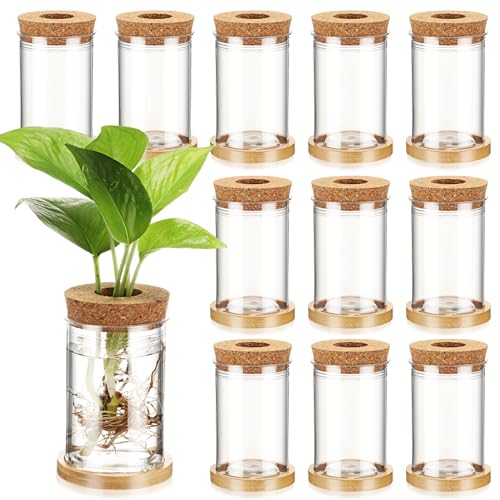
Complete Package: we offer a complete greenery solution, each package includes 12 pieces of plant terrariums, 12 pieces of independent bamboo saucers, and 12 pieces of cork toppers with holes, for your home and office interior needs; The transparent bottle body can visually observe the roots of plants, easy to change water when observing the water level
Scientific Basis for Rooting
The ability of lettuce to regrow from cuttings is rooted in plant biology. Lettuce contains meristematic tissue at the base, which enables new growth when the conditions are right. When you cut the base of a lettuce head and place it in water, it triggers the regeneration of roots and new leaves. Provide adequate sunlight and warmth to promote the rooting process. Typically, roots begin to develop within a few days, showing visible growth.
Types of Lettuce Suitable for Cuttings
Not all lettuce varieties thrive from cuttings, but several types do. Common varieties suitable for propagation include:
- Romaine Lettuce: Known for its sturdy structure, romaine lettuce often regrows well and produces crisp leaves.
- Butterhead Lettuce: This variety offers soft, tender leaves and responds positively to cutting.
- Green Leaf Lettuce: With its vibrant color and loose leaves, green leaf lettuce regenerates efficiently from cuttings.
Experiment with different types to find out which one works best for your gardening style. Ensure your cuttings come from healthy, vibrant plants for optimal results.
Step-by-Step Guide to Growing Lettuce from Cuttings
Growing lettuce from cuttings is a rewarding and simple process. Follow these steps to get started.
Preparing the Cuttings
- Select Healthy Lettuce: Choose a fresh lettuce head, preferably romaine, butterhead, or green leaf varieties. Inspect the base for quality.
- Snip Off the Base: Use clean scissors or a sharp knife to cut about 2-3 inches from the bottom of the lettuce head. Ensure you take a cutting that’s free of blemishes.
- Rinse the Cutting: Gently rinse the cutting under cool water to remove any dirt or debris, making it ready for propagation.
- Opt for a Container: Place the cutting in a small glass or jar. Ensure it’s deep enough for the base to sit in water without touching the bottom.
- Fill with Water: Add enough water to cover the base of the cutting, about 1 inch deep. Change the water every few days to keep it fresh.
- Locate a Bright Spot: Position the container in a sunny location, such as a south-facing windowsill. Lettuce thrives in light but avoid direct, scorching sunlight during peak hours.
- Maintain Warmth: Choose a spot with a warm temperature, ideally between 65°F and 75°F. This supports root growth and new leaf development.
By following these straightforward steps, you can successfully regrow lettuce from cuttings and enjoy fresh greens right from your kitchen.
Tips for Successful Lettuce Cutting Growth
Recommended Products

Heirloom Non-GMO Seeds: seed pod kit contains 6 kinds of lettuce seeds, they are Red&Green Leaf Lettuce, Romaine, Butter Head, Bibb Lettuce, Boston Lettuce, Buttercrunch Lettuce. Various kinds of lettuce seeds, each one is rich in nutritional value. 100% Non-GMO, open pollinated

MADE FOR LETTUCE GROW FARMSTANDS: Designed specifically for Lettuce Grow Farmstand Grow Cups to help cover empty openings between harvests and new plantings

Choose Healthy Lettuce Heads
Select fresh, vibrant lettuce heads for cutting. Look for leaves that are firm and free from blemishes. Romaine, butterhead, and green leaf varieties work well.
Snip Correctly
Make a clean cut about 1 to 2 inches from the base of the lettuce head. This method ensures you gather enough healthy tissue to encourage root development.
Rinse Thoroughly
Rinse the cutting gently under cool water to remove any dirt or residue. Clean cuttings help prevent rot and encourage growth.
Use the Right Container
Pick a clear container to monitor root growth easily. Ensure it’s deep enough to fully submerge the base of the lettuce cutting.
Submerge the Base
Place the cutting in water, ensuring that the base is submerged while leaves remain above the waterline. This setup provides moisture while preventing leaf decay.
Change Water Regularly
Refresh the water every 2 to 3 days to maintain cleanliness. Regular water changes also provide oxygen to the cutting, promoting healthy root development.
Position in Bright Light
Locate your container in a bright spot but avoid direct sunlight. Indirect light helps the cutting develop, while harsh sunlight can cause wilting.
Maintain Warm Temperatures
Keep the container in a warm environment, ideally between 65°F and 75°F. Warm temperatures encourage faster root growth and new leaf development.
Watch for Roots
Expect to see roots forming after 5 to 10 days. Roots will grow from the base, signaling the cutting is ready for transplanting or can be kept in water for continued growth.
Transplant for Continuous Growth
If you prefer soil, transplant the lettuce cutting into a pot once roots are around 2 inches long. Use well-drained soil, and ensure the cutting gets plenty of light.
By following these tips, achieving successful lettuce growth from cuttings becomes a simple process, allowing you to enjoy fresh greens grown right in your home.
Conclusion
Regrowing lettuce from cuttings is not only a fun experiment but also a fantastic way to make the most of your kitchen scraps. With just a little care and attention you can enjoy fresh greens right from your home.
By following the simple steps outlined in this post you’ll be well on your way to cultivating your own lettuce. Whether you choose to grow romaine or butterhead you’ll find that the process is rewarding and easy to manage.
So go ahead and give it a try. You might just discover a new favorite gardening method that brings fresh flavor to your meals. Happy gardening!
Frequently Asked Questions
Can I regrow lettuce from cuttings?
Yes, you can regrow lettuce from cuttings! Simply snip off the base of the lettuce head and place it in water. New leaves will sprout as roots develop.
What types of lettuce can be propagated from cuttings?
Romaine, butterhead, and green leaf lettuce are excellent choices for propagation from cuttings. Experimenting with different varieties can yield good results.
How long does it take for lettuce cuttings to root?
Lettuce cuttings typically start to develop roots within 5 to 10 days. Keep the cuttings in water and ensure they receive adequate light and warmth for successful growth.
What is the best way to care for lettuce cuttings?
Change the water every 2 to 3 days, keep the container in bright, indirect light, and maintain temperatures between 65°F and 75°F to encourage optimal growth.
Can I use kitchen scraps to grow lettuce?
Absolutely! Using kitchen scraps like the base of lettuce heads is a great way to maximize your produce and reduce waste while enjoying fresh greens.
What are the steps to propagate lettuce from cuttings?
To propagate lettuce from cuttings, make a clean cut 1 to 2 inches from the base, rinse the cutting, place it in water, and keep the leaves above water. Change the water regularly and provide good light and warmth.
