

Ever wondered if you can transplant lettuce without losing your harvest? You’re not alone. Many home gardeners face this dilemma when their seedlings outgrow their pots or when they want to optimize their garden space.
Transplanting lettuce can be a bit tricky, but it’s definitely possible with the right techniques. This article will guide you through the process, helping you understand when and how to move your lettuce plants to ensure they thrive in their new location. By the end, you’ll feel confident in your gardening skills and ready to enjoy a bountiful crop.
Key Takeaways
- Lettuce can be successfully transplanted, maximizing garden yield when proper techniques are followed.
- The best time for transplanting is during cooler parts of the day, with seedlings having two to three true leaves for optimal success.
- Preparation is key: choose suitable locations, water seedlings beforehand, and use well-drained, nutrient-rich soil.
- Following best practices in transplanting—gentle removal of seedlings and thorough post-transplant watering—is crucial for healthy growth.
- Monitor moisture levels after transplanting to prevent shock and ensure healthy root establishment.
- Address common challenges such as root disturbance and environmental factors to enhance transplant survival and boost growth potential.
Can Lettuce Be Transplanted?
Yes, lettuce can be transplanted successfully, allowing you to maximize your garden’s yield. Proper techniques and timing are essential for transplanting lettuce to thrive in its new location.
Recommended Products

Trusted Since 2015: Become one of the many plant lovers who rely on the proven accuracy of XLUX. Established in 2015, our soil moisture meter has earned over 60,000+ verified ratings for its consistent performance. While many many newer brands come and go, we provide the long-term reliability and quality that American households have trusted for over a decade.

Accurate Soil Moisture Detection: The XLUX Soil Moisture Meter can tell you if the soil deep inside your pot or garden is dry, moist or wet; whereas your eyes and fingers can only determine the moisture level of the soil surface. The probe is 5.5 inches (14 cm) longer than regular styles, allowing it to measure the soil moisture at the bottom of larger and deeper flower pots.

【SAVE YOUR PLANTS】: Over watering can cause problems with your plants or even kill them. This soil moisture meter helps you know the soil is dry, moist or wet.No more over watering!
Best Timing for Transplanting
Transplant lettuce during the cooler parts of the day, preferably early morning or late afternoon. This reduces stress on the plants. Aim to transplant when seedlings have two to three true leaves. This stage indicates that the plants are robust enough to handle the transition.
Preparation Steps for Transplanting
- Choose Locations: Select a spot with partial shade to full sun, depending on the lettuce variety.
- Water Seedlings: Water your seedlings a few hours before transplanting. This helps reduce shock.
- Prepare the Soil: Ensure the new location has loose, well-drained soil enriched with compost or organic matter.
Transplanting Procedure
- Dig Holes: Create holes that are slightly larger than the root ball of each seedling.
- Remove Seedlings Carefully: Gently lift seedlings from their pots, ensuring you keep the root systems intact.
- Position the Seedlings: Place each seedling in its new hole, covering the roots with soil.
- Water Thoroughly: After transplanting, water deeply to settle the soil around the roots.
- Monitor Moisture Levels: Keep the soil consistently moist but not soggy for the first week.
- Provide Protection: Consider using row covers or shade cloth if temperatures fluctuate drastically.
- Avoid Fertilizing Immediately: Wait a week after transplanting before applying fertilizer to help the plants recover from shock.
By following these steps, you can transplant your lettuce with confidence, ensuring healthy growth and a successful harvest.
Benefits of Transplanting Lettuce
Transplanting lettuce offers multiple advantages that enhance your gardening experience. Here are some key benefits:
Faster Growth
Transplanting lettuce can significantly accelerate its growth. Research shows that young seedlings transplanted at the right time develop quickly in their new environment. For instance, if you transplant seedlings with two to three true leaves, they adapt faster compared to direct seeding. You create ideal growing conditions when you transplant during cooler parts of the day, allowing lettuce to establish roots efficiently and grow without interruption.
Better Space Utilization
Transplanting helps maximize your gardening space. You can strategically position lettuce in areas that receive optimal sunlight and air circulation. Rather than overcrowding seeds, you transplant seedlings into spaced-out rows, allowing room for growth. For example, by relocating lettuce seedlings to a garden bed or containers, you can integrate them with other plants like tomatoes or peppers, optimizing your overall layout. This method not only enhances plant health but also increases your harvest potential.
Best Practices for Transplanting Lettuce
Transplanting lettuce involves careful planning and execution. Following these best practices ensures healthy growth and an abundant harvest.
Recommended Products

Kindly NOTE: This soil tester can not be applied to test pH value of any other liquid. If the soil is too dry the indicator will not move, and water it before testing.
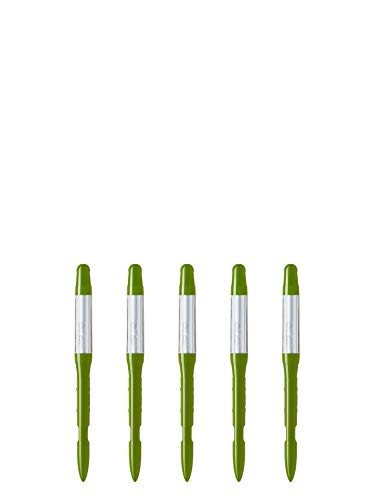
Dimensions: 0.4 x 0.3 x 4.7 inches (small) - Intended for pot sizes of 2, 2.5, and 3 - Ideal for small succulents

Soil Moisture Meter: This single probe soil moisture meter is specially designed for testing the moisture level in the soil, helps you decide whether the plants need water or not, helps to keep plants alive.
Choosing the Right Varieties
Select varieties suitable for your climate and growing conditions. Leaf lettuce, romaine, and butterhead types thrive in cooler temperatures. Choose varieties known for their resilience and flavor. For example, Buttercrunch and Red Romaine are popular choices due to their adaptability and taste.
Timing and Preparation
Transplant during cooler parts of the day for the best results. Late afternoon or early evening works well. Ensure your seedlings have two to three true leaves before moving them.
Preparation steps include:
- Location Selection: Pick a spot with full sun and good drainage.
- Watering Seedlings: Water seedlings thoroughly a few hours before transplanting. This helps reduce stress.
- Soil Preparation: Use well-drained soil amended with compost. This enriches the soil and promotes healthy root growth.
- Digging Holes: Create holes that are deeper than the root ball. Space holes about 12 inches apart to allow for growth.
- Transplanting: Gently remove seedlings from their pots, avoiding damage to roots. Place each seedling into its hole, ensuring the top of the root ball is level with the soil surface.
- Watering After Planting: Water each transplant thoroughly to settle the soil around the roots.
Monitoring moisture levels after transplanting is crucial. Keep the soil consistently moist but not waterlogged. Provide shade if temperatures rise sharply, and avoid fertilizing for the first week. This allows your plants to recover from the shock of transplanting and establishes strong roots in their new environment.
Common Challenges When Transplanting Lettuce
Transplanting lettuce presents challenges that can affect plant health and yields. Understanding these issues helps you prepare and ensure a successful transition.
Recommended Products
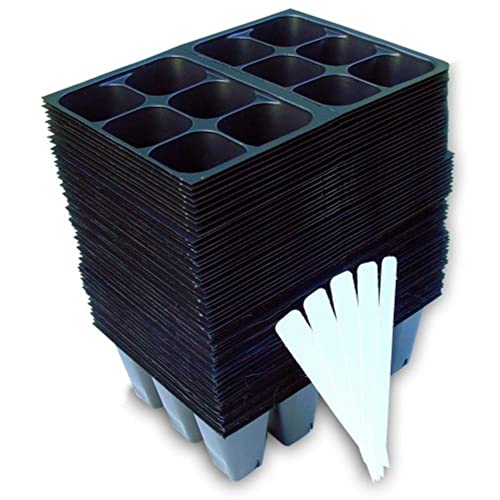
Drainage Holes: Each cell has drain holes at the bottom for proper water drainage.
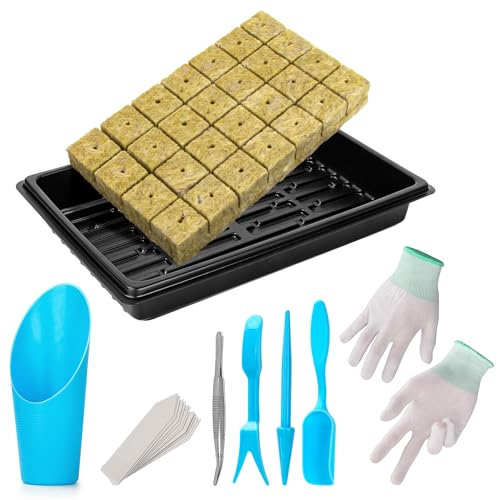
Seed Starter Kit: It includes one full sheet of premium 1.5-inch rockwool cubes (28 plugs total) paired with a durable, reusable thick plastic seedling starter tray. It also comes with a pair of gloves, a set of transplanting devices (four piece a set), an iron tweezer (for picking seeds), and 20 PVC labels (for easy identification of seeds).

Package: Each pack includes 60 individual nursery pots, providing ample quantity for your gardening needs. The pots are 4 inches in height, making them perfect for small plants, herbs, succulents, and more, providing ample space for your plants to grow and thrive.
Root Disturbance
Root disturbance impacts your lettuce seedlings during transplanting. When you remove seedlings from their original pots, roots may break or get tangled. Damage can hinder growth and nutrient uptake. To minimize root disturbance, gently loosen the soil around the seedlings before lifting them. Make sure to handle seedlings by their leaves, not the stems, to reduce stress. If possible, transplant seedlings with their root balls intact. This practice promotes healthier growth in the new location.
Environmental Factors
Environmental factors significantly influence the success of your transplanting efforts. Temperature fluctuations, intense sunlight, and wind stress can lead to transplant shock. To mitigate these effects, transplant during cooler parts of the day, like early morning or late afternoon. If conditions are harsh, provide shade using row covers or light fabric for the first few days. Additionally, ensure your transplanting site offers adequate drainage and protection from strong winds. Frequent monitoring of soil moisture is crucial, as newly transplanted lettuce requires consistent moisture to establish roots effectively.
By addressing these common challenges, you can improve the survivability of your transplanted lettuce and enhance its growth potential in your garden.
Conclusion
Transplanting lettuce can be a rewarding experience when done correctly. By following the right techniques and timing you can ensure your seedlings thrive in their new environment. Remember to prepare adequately and monitor their progress after transplanting.
With a little care and attention your lettuce can flourish and provide you with a bountiful harvest. So go ahead and give it a try. You might just find that transplanting not only enhances your garden’s productivity but also boosts your gardening confidence. Happy planting!
Frequently Asked Questions
Can I transplant lettuce seedlings successfully?
Yes, you can successfully transplant lettuce seedlings. It’s important to use proper techniques and timing to ensure they thrive in their new location.
When is the best time to transplant lettuce?
The best time to transplant lettuce is during the cooler parts of the day, preferably early morning or late afternoon, when seedlings have two to three true leaves.
What preparation is needed before transplanting lettuce?
Prepare by selecting a spot with full sun and good drainage, watering seedlings beforehand, and ensuring the new soil is loose and well-amended with compost.
How should I transplant lettuce seedlings?
Dig holes spaced about 12 inches apart, gently remove the seedlings, place them in the new spots, and water thoroughly after transplanting.
How do I minimize transplant shock for lettuce?
To minimize transplant shock, transplant during cooler times, monitor moisture levels, protect from temperature changes, and avoid fertilizing for a week post-transplant.
What are the benefits of transplanting lettuce?
Transplanting lettuce can promote faster growth, better space utilization, and allow for optimal positioning, enhancing sunlight exposure and airflow in your garden.
What common challenges should I expect when transplanting lettuce?
Common challenges include root disturbance and environmental stress. Handling seedlings gently and transplanting during favorable conditions can mitigate these issues.
