

Have you ever wondered if you can leave lettuce out on the counter instead of tossing it in the fridge? You’re not alone. Many people face this dilemma, especially when trying to make meal prep easier.
Key Takeaways
- Optimal Storage Temperature: Lettuce thrives between 32°F and 55°F, making refrigeration the best option to prevent spoilage.
- Humidity Matters: Aim for a relative humidity level of about 95% to maintain freshness; wrapping lettuce in a damp paper towel can help.
- Room Temperature Cautions: If necessary, store lettuce at room temperature in a cooler spot, away from direct sunlight, and consume it within a few days.
- Signs of Spoilage: Watch for wilting leaves, discoloration, unpleasant odors, slimy texture, and mold growth as indicators that lettuce has gone bad.
- Proper Ventilation: Use a plastic bag with holes to allow airflow and prevent moisture buildup, whether storing in the fridge or at room temperature.
- Regular Monitoring: Check lettuce daily for signs of spoilage to ensure only the freshest greens are used in your meals.
Can Lettuce Be Stored At Room Temperature?
Lettuce thrives best in cool environments, so storing it at room temperature isn’t ideal. While some people might attempt to keep it on their counter, this method often leads to wilting and spoilage.
Recommended Products

Keep your produce fresh for longer: The PrepSolutions Lettuce Keeper keeps your produce fresh with an adjustable air vent and water reservoir, creating the ideal environment for fresh fruits and vegetables. Item measures 12.5" W x 7.25" D x 5.25" H and weighs 1.14 lbs.

𝐊𝐞𝐞𝐩𝐬 𝐕𝐞𝐠𝐞𝐭𝐚𝐛𝐥𝐞𝐬 𝐅𝐫𝐞𝐬𝐡 𝐋𝐨𝐧𝐠𝐞𝐫: The Home-X salad keeper for refrigerator is designed to preserve the freshness of lettuce, broccoli, cauliflower, and more. It creates an ideal cold, moist storage environment to help your vegetables stay crisp and fresh for longer periods.

Freshness Support: The foil-lined interior in the lettuce bag helps slow wilting, allowing leafy greens and salad ingredients to stay crisp longer while reducing moisture buildup.
Factors Affecting Storage
Several factors influence how long lettuce can last outside the fridge:
- Temperature: Lettuce prefers temperatures between 32°F and 55°F. Higher room temperatures accelerate spoilage.
- Humidity: High humidity helps retain crispness, while low humidity causes drying out.
- Type of Lettuce: Leafy types like romaine and butterhead fare worse at room temperature compared to sturdier varieties like iceberg.
Recommended Storage Practices
To maximize freshness, consider these storage tips:
- Keep in a Bag: Place lettuce in a plastic bag with holes to allow air circulation.
- Choose a Cool Spot: If you must store it at room temperature, find a cooler area away from direct sunlight.
- Check Daily: Inspect lettuce regularly for wilting or spoilage and adjust storage conditions accordingly.
Signs of Spoilage
Know when it’s time to discard lettuce:
- Wilting Leaves: Leaves should be crisp, not limp.
- Color Change: Look for browning or a slimy texture.
- Odor: A sour smell often indicates spoilage.
Lettuce maintains its best quality when refrigerated, so if you want the freshest salads, opt for the fridge over the counter. Making these simple adjustments ensures you enjoy crisp, delicious lettuce.
Factors Affecting Lettuce Storage
Several factors affect how you should store lettuce to maintain its freshness and crispness. Understanding these factors helps you make informed decisions about lettuce storage.
Recommended Products
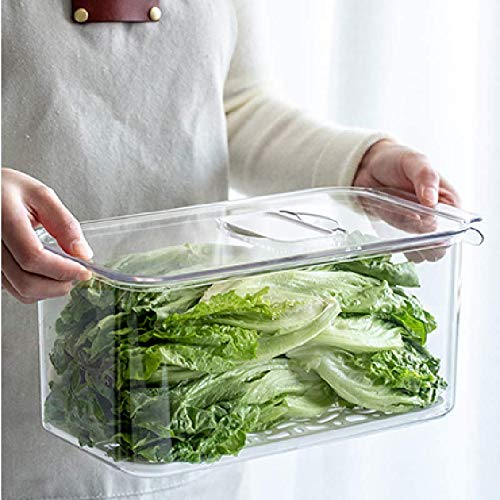
Note: NOT dishwasher safe! NOT for microwave oven! Working celsius temperature -30℃~60℃,suitable for refrigerator and freezer.
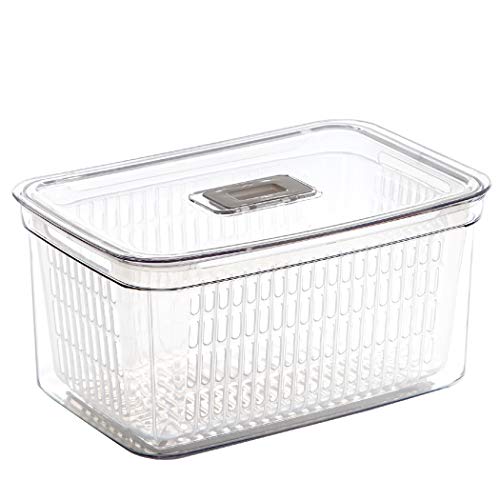
Clever Design: The BINO produce saver is made of a durable material that is easy to clean and has a tight-fitting lid to keep out moisture and air. It has a removable colander-style basket that helps drain any excess water.

Clever Design: The BINO produce saver is made of a durable material that is easy to clean and has a tight-fitting lid to keep out moisture and air. It has a removable colander-style basket that helps drain any excess water.
Temperature Considerations
Lettuce thrives at temperatures between 32°F and 50°F (0°C to 10°C). When temperatures rise above this range, you face an increased risk of wilting. Storing lettuce at room temperature above 70°F (21°C) can accelerate spoilage. If you can’t refrigerate it, try to keep it in a cooler area of your kitchen, away from heat sources like stoves and appliances.
Humidity Levels
Humidity plays a critical role in lettuce storage. Lettuce needs moisture, yet excess humidity can lead to decay. Aim for a relative humidity level of about 95% for optimal freshness. If you can’t control the humidity, wrapping lettuce in a damp paper towel and placing it in a plastic bag with holes can help maintain the right moisture without causing sogginess.
Recommended Storage Methods
To maximize the freshness of lettuce, proper storage methods matter. Here are essential tips for storing lettuce effectively.
Recommended Products
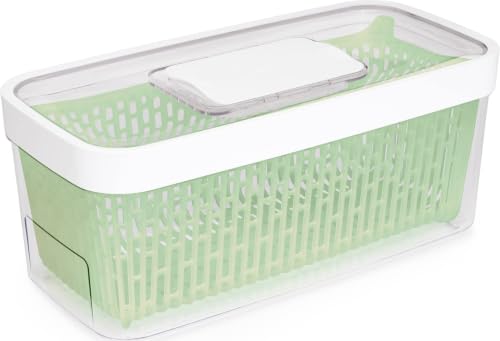
GreenSaver Produce Keeper prevents fruits and vegetables from spoiling too quickly

5 packs : You will get 5 fridge storage containers with colander size from 300 ml to 4200 ml [10 oz - 148 oz ]. Suited for Most fruits, vegetables, berries, meats.

KEEP PRODUCE FRESHER LONGER: Rubbermaid FreshWorks Produce Saver uses FreshVent technology to regulate airflow, so your produce stays fresher longer.
Storing Lettuce in the Refrigerator
Refrigeration keeps lettuce crisp and fresh. Store it in the vegetable drawer, where humidity levels are higher, benefiting leafy greens. Use a plastic bag with holes or a breathable produce container. The holes allow for airflow, which prevents moisture buildup. Wrap the lettuce in a damp paper towel before placing it in the bag to retain moisture without causing excess sogginess. Check the lettuce regularly for any wilting or discoloration and remove any spoiled leaves to keep the remaining lettuce fresh longer.
Room Temperature Storage Tips
If refrigeration isn’t an option, you can still store lettuce at room temperature, but with caution. Place the lettuce in a cooler spot in your kitchen, away from heat sources and direct sunlight. A kitchen counter or pantry often works best. Use a plastic bag with holes for ventilation, and consider layering damp paper towels around the lettuce to maintain humidity without making it soggy. Monitor the lettuce daily; look for signs of wilting or changing color. If temperatures exceed 70°F (21°C), the lettuce won’t last long. Always consume lettuce stored at room temperature within a few days for the best quality.
Signs of Spoilage in Lettuce
Recognizing spoilage in lettuce is essential for maintaining food safety and quality. Here are key signs to look out for:
- Wilting Leaves: Soft or limp leaves indicate that the lettuce is losing moisture. Fresh lettuce should have a crisp texture. If the leaves bend easily without snapping, it’s no longer fresh.
- Discoloration: Brown or yellow spots on the leaves suggest decay. Fresh lettuce has vibrant green color. If you notice significant discoloration, it’s best to discard the lettuce.
- Unpleasant Odors: Fresh lettuce emits a mild scent. A sour smell indicates spoilage. If your lettuce has an off-putting odor, it’s time to throw it away.
- Slimy Texture: If the leaves feel slick or slimy to the touch, this is a clear sign of decay. Fresh lettuce should feel dry and firm.
- Mold Growth: Any visible mold patches signify spoilage. Mold can appear fuzzy and often develops in damp conditions. Discard any lettuce that shows mold.
Regularly inspect your lettuce for these signs, especially if stored at room temperature. By following these tips, you ensure only the freshest lettuce makes it to your plate.
Conclusion
Storing lettuce at room temperature can be tricky and often leads to quicker spoilage. While it’s tempting to keep it on the counter for convenience your best bet for freshness is still the fridge. If you find yourself needing to store it outside of refrigeration remember to keep it in a cool spot and check it daily for any signs of wilting or decay.
With a little care you can enjoy crisp and delicious lettuce for your meals. Just stay mindful of the conditions and act quickly if you notice any spoilage. Happy munching!
Frequently Asked Questions
Can you store lettuce on the counter instead of in the fridge?
Storing lettuce on the counter is not ideal as it thrives in cooler environments. Room temperature can lead to wilting and quicker spoilage. If refrigeration isn’t possible, placing it in a cool area away from sunlight can help prolong freshness.
How long can lettuce last outside the fridge?
Lettuce can last a few days outside the fridge if kept in a cool place, but factors like temperature and humidity significantly affect its lifespan. For best quality, consume it within 2-3 days after removal from the fridge.
What are the signs of spoilage in lettuce?
Signs of spoilage include wilting leaves, discoloration (brown or yellow spots), unpleasant odors, a slimy texture, and visible mold. Regularly inspecting the lettuce is essential to ensure it’s fresh and safe to eat.
What is the best way to store lettuce?
To maximize freshness, store lettuce in the fridge in the vegetable drawer. Use a plastic bag with holes for airflow and wrap it in a damp paper towel to maintain moisture. Regular checks for signs of spoilage are also recommended.
Is humidity important for lettuce storage?
Yes, humidity is crucial for keeping lettuce fresh. Aim for a relative humidity level of about 95%. Wrapping the lettuce in a damp paper towel before placing it in a plastic bag can help retain the right moisture without causing sogginess.
Why is refrigeration better for lettuce?
Refrigeration keeps lettuce crisp and fresh by maintaining the ideal temperature range of 32°F to 50°F (0°C to 10°C). It helps prevent spoilage and extends its shelf life, making it the best option for storage.
