

Have you ever wondered if you could still grow lettuce as the weather cools down? Many gardeners face the challenge of maximizing their harvests, and fall can feel like the end of the growing season. But what if you could extend your gardening efforts and enjoy fresh greens even in autumn?
In this article, you’ll discover the ins and outs of planting lettuce in the fall. You’ll learn about the best varieties to choose and the tips to ensure a successful crop. Whether you’re a seasoned gardener or just starting out, you’ll find valuable insights that can help you make the most of your garden, even as the temperatures drop.
Key Takeaways
- Fall Lettuce Planting is Viable: Lettuce can indeed be planted in the fall, as many varieties thrive in cooler temperatures, allowing for a successful harvest even as the weather cools down.
- Choose the Right Varieties: Optimal fall planting choices include Butterhead, Romaine, and Leaf lettuce, each with unique benefits and ideal timeframes for maturity.
- Timing is Crucial: Plant lettuce 4 to 6 weeks before the first expected frost to maximize growth potential and ensure a bountiful harvest.
- Soil Preparation Matters: Rich, well-drained soil is essential for healthy growth. Enhance the soil with compost and ensure it’s aerated for optimum root development.
- Protect Against Frost and Pests: Utilize row covers and cloches to safeguard young plants from frost and pests, ensuring your lettuce can thrive in unpredictable fall weather.
- Monitor and Maintain: Regularly check on your plants for signs of pests or disease, and maintain consistent moisture levels to promote healthy growth and flavor.
Can Lettuce Be Planted in the Fall?
Yes, you can plant lettuce in the fall. Many lettuce varieties thrive in cool temperatures, making autumn an ideal time for planting. Here’s what you should know:
Best Varieties for Fall Planting
- Butterhead Lettuce: This type is tender and does well in cooler weather. It matures in about 55 to 65 days.
- Romaine Lettuce: Preferring cooler temperatures, romaine lettuce can withstand light frost. Expect around 70 days for a full harvest.
- Leaf Lettuce: Leaf varieties grow quickly, ready for harvest in just 30 to 45 days. They also tolerate a bit of frost.
Timing Your Planting
Plant lettuce in late summer or early fall, about 4 to 6 weeks before the first expected frost date in your area. Check local frost dates to plan accordingly. If you live in a milder climate, you can extend this window.
Preparing the Soil
- Choose the Right Location: Pick a spot that receives full sun or partial shade.
- Improve Soil Quality: Use compost to enrich the soil. This increases nutrient availability for young plants.
- Ensure Good Drainage: Loose soil promotes better drainage, preventing waterlogging.
Planting Tips
- Seed Spacing: Space seeds about an inch apart for leaf varieties. For head lettuce, plant seeds 12 inches apart.
- Watering: Keep the soil consistently moist, especially during germination. Avoid over-watering, which can lead to rot.
- Mulching: Apply mulch to retain soil moisture and suppress weeds.
Protecting Your Crop
Consider using row covers to protect young plants from frost and pests. These covers trap heat and create a favorable microclimate, helping your lettuce thrive.
- Baby Greens: For a quicker harvest, cut leaves when they reach about 3 to 4 inches tall. This allows for continuous growth.
- Full Heads: For romaine or butterhead, wait until the heads are firm. Use a sharp knife to cut the stalk at the base.
By following these guidelines, you can enjoy fresh, crisp lettuce from your fall garden, even as temperatures drop.
Benefits of Fall Planting
Fall planting offers distinct advantages for growing lettuce, enhancing both your garden experience and the quality of your harvest.
Extended Growing Season
Fall planting extends your growing season. You can plant lettuce varieties when temperatures begin to drop, allowing them to thrive in cooler weather. By selecting the right time, typically 4 to 6 weeks before the first frost, you maximize growth. For example, planting in mid-September allows for a harvest in late October, giving you fresh greens well into fall.
Improved Flavor
Cool weather also improves the flavor of lettuce. Lettuce grown in cooler temperatures tends to be sweeter and more nutrient-rich. The stress of cooler nights leads to a concentration of sugars in the leaves. Harvesting lettuce after a light frost often enhances its taste, making for a crisp, delicious salad. To experience this improvement, consider varieties like Butterhead or Leaf Lettuce that flourish in autumn conditions.
Ideal Varieties for Fall Planting
Many lettuce varieties suit fall planting, allowing you to enjoy fresh greens as temperatures drop. Focus on these ideal types for optimal results.
Recommended Products
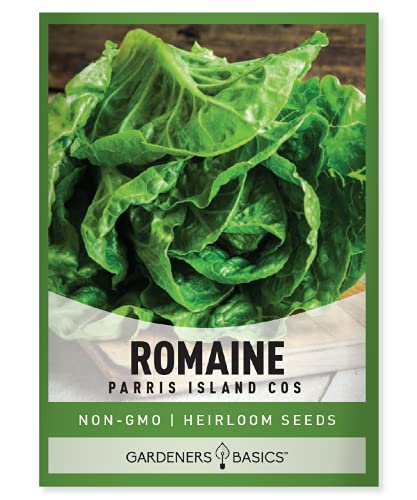
Grow crisp Parris Island Cos romaine with upright green leaves, sturdy ribs, and a mild flavor. A classic choice for salads, lettuce wraps, sandwiches, and fresh harvests from your own garden.


🥬 Heat-Tolerant Upright Romaine: Jericho Romaine Lettuce (Lactuca sativa) forms tall, sturdy heads with crisp ribs and tender, mildly sweet leaves. Known for its strong heat tolerance compared to many romaine varieties, it grows 18–24 inches tall and delivers reliable harvests in extended spring and early summer conditions.
Leaf Lettuce
Leaf lettuce thrives in cooler weather, making it perfect for fall gardens. Varieties like “Red Romaine” and “Buttercrunch” are popular choices. They mature quickly, usually within 30 to 45 days. For a continuous harvest, stagger your planting every couple of weeks. This ensures fresh crops throughout the season.
Plant leaf lettuce in well-drained soil, enriched with compost. Keep the soil consistently moist to promote leaf growth. If temperatures dip, consider using row covers to protect younger plants from frost.
Romaine Lettuce
Romaine lettuce performs well in cool conditions, offering a crunchy texture and rich flavor. Varieties such as “Little Gem” and “Parris Island” adapt nicely to fall planting. These typically mature in 60 to 75 days.
Sow seeds directly in the soil 4 to 6 weeks before the first frost for optimal results. Fill the planting area with organic matter to help retain moisture. Harvest the outer leaves first for a steady supply, or pick whole heads when they reach maturity. Protect romaine from harsh winds and frost with row covers or blankets during cold snaps.
Tips for Successful Fall Planting
Successful fall planting of lettuce requires attention to soil quality, effective planting techniques, and protective measures. Follow these tips for a fruitful harvest as temperatures drop.
Recommended Products

Beautiful - Large, premium packet of a blend of heirloom Lettuce seeds (Latuca sativa). This surprising mix of pretty and colorful lettuces will be a welcome addition to your garden in early spring and fall. Minimum of 600 mg per packet (about 650 seeds).

USDA Certified Organic by Oregon Tilth

4 Popular Heirloom Lettuce Varieties: Includes Red Romaine, Bibb Butterhead, Black Seeded Simpson, and Green Ice lettuce seeds to grow crisp, tender, and colorful salad greens with balanced flavor, texture, and visual appeal.
Soil Preparation
Soil preparation is critical for healthy lettuce growth. Aim for well-drained, loamy soil enriched with organic matter. You can mix compost into the soil to improve nutrient content and structure.
- Test Soil: Testing your soil’s pH ensures it falls between 6.0 and 7.0, ideal for lettuce.
- Amend Soil: Add compost or aged manure to enhance nutrient levels. Aim for at least 2 to 3 inches of organic material.
- Till Soil: Tilling helps aerate the soil and breaks up clumps. This promotes better root development and drainage.
Planting Techniques
Proper planting techniques set the stage for strong growth. Follow these steps to plant your lettuce effectively.
- Choose Varieties: Select quick-maturing varieties like Leaf Lettuce or Romaine. For example, “Red Romaine” matures in about 30 to 45 days.
- Direct Sow Seeds: Sow seeds directly in the prepared soil about ¼ inch deep, spacing them 4 to 6 inches apart. Thin seedlings later to provide room for growth.
- Water Immediately: Water the soil gently after planting to maintain moisture. Consistent watering is key for germination and development.
- Monitor Growth: Keep an eye on your seedlings for signs of pests, and ensure they receive adequate sunlight.
Mulching and Protection
Mulching and protection help safeguard your plants from the elements. Use these strategies to keep your lettuce thriving.
- Apply Mulch: Add a layer of organic mulch, like straw or dried leaves, around your plants. This conserves moisture, regulates soil temperature, and suppresses weeds.
- Use Row Covers: Cover young plants with lightweight row covers. This shields them from frost and pests while allowing light and moisture to penetrate.
- Check Temperature: Monitor weather forecasts. If a hard frost is expected, consider using cloches or mini-greenhouses for extra protection.
By focusing on soil health, efficient planting, and protective measures, you can enjoy a successful fall lettuce harvest.
Common Challenges
Growing lettuce in the fall presents some challenges, but understanding them helps ensure a successful harvest. You’ll face obstacles like frost and pests, which require specific strategies for effective management.
Recommended Products

Product Features: Our plant covers are ideal for protecting all plant. Made from premium 1 oz/sq non-woven fabric, their durability and breathability ensuring both insulation against frost and facilitation of sunlight penetration for healthy plant growth

※Big Size to cover large area : The size of our plant cover is 10x30ft, the size can cover large areas. You can cut the plant covers freeze protection into different sizes for different use. You can cover it over the plant such as shrub tomato, pepper, pumpkin, and so on.

※Big Size to cover large area : The size of our plant cover is 10x30ft, the size can cover large areas. You can cut the plant covers freeze protection into different sizes for different use. You can cover it over the plant such as shrub tomato, pepper, pumpkin, and so on.
Frost and Cold Weather
Frost can harm young lettuce seedlings, especially if temperatures drop below 28°F. Protect your plants by planting 4 to 6 weeks before the anticipated first frost. Use floating row covers to provide insulation and maintain warmth around your crops. Check local weather forecasts regularly to prepare for unexpected cold snaps.
In addition to row covers, consider using cloches or cold frames. These simple structures trap heat and shield plants from harsh conditions. When frost threatens, water your plants in the morning. Moist soil retains heat better than dry soil, providing extra protection during chilly nights.
Pests and Diseases
Pests also pose a risk during the fall season. Common culprits include aphids, slugs, and snails. Regularly inspect your plants for signs of infestations. If you spot pests, consider using insecticidal soap or neem oil as natural remedies.
Fungal diseases can increase in cooler, damp conditions. Prevent issues like downy mildew by ensuring proper spacing between plants for air circulation. Water your lettuce early in the day to allow leaves to dry before evening.
Regularly remove any dead or infected plant material to minimize contamination. Implement crop rotation in subsequent planting seasons to further reduce disease risk. Following these steps helps you grow healthy, vibrant lettuce throughout the fall.
Conclusion
Growing lettuce in the fall can be a rewarding experience that allows you to enjoy fresh greens well into the cooler months. With the right varieties and a bit of care, you can extend your gardening season and savor the unique flavors that cooler weather brings.
By following the tips outlined in this article, you’ll set yourself up for a successful harvest. Remember to keep an eye on the weather and protect your plants from frost as needed. With a little planning and attention, your fall garden can thrive, giving you delicious lettuce that’s perfect for salads or sandwiches. So why not give it a try? Happy gardening!
Frequently Asked Questions
Can I grow lettuce in the fall?
Yes, you can grow lettuce in the fall. Many varieties thrive in cooler temperatures, making autumn an ideal time for planting.
What are the best lettuce varieties for fall planting?
The best varieties for fall planting include Butterhead, Romaine, and Leaf Lettuce. These types mature well during cooler weather and can enhance flavor and quality.
When should I plant lettuce in the fall?
Plant lettuce 4 to 6 weeks before the expected first frost to ensure adequate growth and optimal harvest times.
How can I protect my lettuce from frost?
Use row covers, cloches, or cold frames to protect your lettuce from frost. These methods can shield young plants from harsh temperatures.
What soil conditions are best for growing lettuce?
Lettuce thrives in well-drained, loamy soil enriched with organic matter. Testing soil pH and adding compost can significantly improve growing conditions.
How do I manage pests while growing fall lettuce?
To manage pests, monitor plants regularly and employ organic solutions like insecticidal soap. Watering in the morning and ensuring proper spacing can also help prevent issues.
Can I continue harvesting lettuce after frost?
Yes, harvesting after a light frost can improve the taste of certain lettuces. They often become sweeter and more flavorful when exposed to cooler temperatures.
What are some tips for successful fall lettuce gardening?
Ensure proper soil preparation, plant at the right time, use protective measures against frost, and stagger planting for continuous harvests to maximize your fall lettuce crop.
