

Have you ever wondered what to do with that wilted head of lettuce sitting in your fridge? You’re not alone. Many people face the dilemma of figuring out how to dispose of kitchen scraps without adding to landfill waste. Composting is a fantastic solution that not only helps the environment but also enriches your garden soil.
Key Takeaways
- Composting is Eco-Friendly: Composting lettuce helps recycle organic waste and reduce landfill contributions, making it an environmentally friendly practice.
- Nutrient Enrichment: Lettuce is rich in nitrogen, essential for promoting microbial activity and enriching the compost mix, which enhances soil quality.
- Proper Composting Techniques: To compost lettuce effectively, chop it into smaller pieces, maintain a balanced mix of green and brown materials (3:1 ratio), and monitor moisture levels.
- Avoid Seasoned Lettuce: Only compost fresh or spoiled lettuce; avoid composting seasoned or dressed lettuce due to oils and salts that can disrupt the process.
- Pest and Odor Management: Regularly turn the compost pile to aerate it and help minimize pests and odors by balancing moisture levels and incorporating more brown materials when necessary.
- Quick Breakdown: Lettuce breaks down relatively quickly, usually within a few weeks, making it an efficient addition to your compost pile.
Understanding Composting
Composting transforms organic waste into nutrient-rich soil. It’s an eco-friendly way to recycle kitchen scraps, including leftover lettuce. Composting requires a mix of brown materials, like dried leaves and paper, and green materials, such as vegetable scraps and grass clippings. Both types contribute to a balanced compost pile.
Benefits of Composting Lettuce
Composting lettuce offers several benefits:
- Nutrient Addition: Lettuce provides essential nutrients, like nitrogen, that enrich the compost mix.
- Reduction of Landfill Waste: Composting reduces the amount of waste sent to landfills, lessening environmental impact.
- Improved Soil Structure: Finished compost enhances soil structure, promoting healthier plant growth.
What to Compost
When composting lettuce, consider the following guidelines:
- Fresh Lettuce: Compost fresh lettuce, including any trimmings. It breaks down quickly and benefits the compost mix.
- Wilting or Spoiled Lettuce: Add wilting or spoiled lettuce. It decays effectively and prevents food waste.
- Avoid Seasoned Lettuce: Don’t compost seasoned or dressed lettuce. The oils and salts can disrupt the composting process.
Steps to Compost Lettuce
Follow these steps to compost lettuce effectively:
- Collect Kitchen Scraps: Keep a container in your kitchen for collecting lettuce and other vegetable scraps.
- Chop into Smaller Pieces: Cut lettuce into smaller pieces. It speeds up decomposition.
- Layer in Compost Bin: Add lettuce to your compost bin in layers. Mix with browns to maintain balance.
- Monitor Moisture: Keep the compost pile moist but not soggy. Water when necessary.
- Turn the Pile: Turn the compost pile every few weeks. It aerates the mixture and accelerates the process.
- Can you compost lettuce with a lot of water content? Yes, but balance with dry materials to prevent a soggy compost pile.
- How long does it take for lettuce to break down? Typically, lettuce breaks down within a few weeks.
- Will composting lettuce attract pests? If properly managed, pests are unlikely. Ensure the compost pile stays aerated and cover food scraps.
Composting lettuce enriches your garden while reducing waste. By following these guidelines, you create a healthier environment and contribute to sustainable gardening practices.
Can Lettuce Be Composted?
Yes, you can compost lettuce. It’s a green compost material that contributes valuable nutrients to your compost pile. Composting lettuce helps reduce kitchen waste and enriches garden soil.
Recommended Products
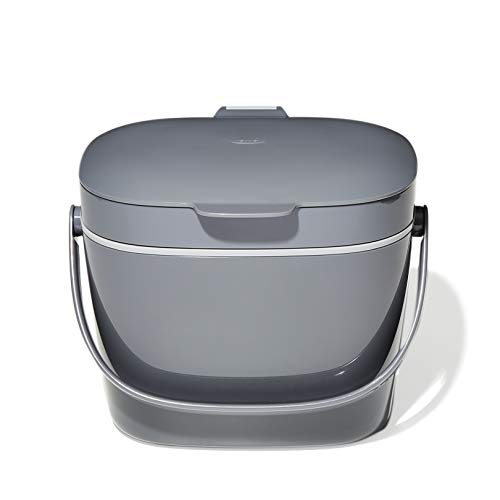
Unique design keeps bags tucked inside for a neat look

Convenient size and design for everyday counter-top use

MAGNETIC DOCK MAKES COMPOSTING EFFORTLESS: Docks on the side of any simplehuman rectangular or slim liner rim trash can — separates food scraps from regular trash without crossing the kitchen, all in one motion.
Nutritional Value of Lettuce
Lettuce contains essential nutrients like nitrogen. This nutrient promotes healthy microbial activity in compost. Additionally, lettuce contributes moisture to the mix, supporting microbial processes. Using lettuce in your compost boosts nutrient levels in the final product, leading to better soil quality.
Pros and Cons of Composting Lettuce
Pros
- Nutrient Enrichment: Adds nitrogen, enhancing microbial activity.
- Moisture Contribution: Increases moisture in compost, aiding decomposition.
- Waste Reduction: Diverts organic waste from landfills, promoting sustainability.
- Pest Attraction: Can attract pests if not managed correctly.
- Odor Issues: May produce odors if composted in large quantities without balance.
- Breakdown Time: Breaks down quickly, possibly leading to an imbalanced compost pile if overdone.
Composting lettuce can enhance your garden’s health while supporting sustainable practices. Be mindful to balance it with browns to optimize the composting process.
Best Practices for Composting Lettuce
Composting lettuce can enhance your garden’s soil, but following best practices ensures optimal results.
Recommended Products

KITCHEN FOOD SCRAP COLLECTOR: helps contain fruit and veggie scraps for future composting: wire rim hangs on cabinet doors and drawers, to easily transfer waste right off your cutting board!.

Stylish & Attractive Design – Attractively crafted with a dome-shaped lid, this stylish indoor compost bin can be placed right on your kitchen countertop to provide easy access at all times while adding an elegant look to your kitchen decor.

【Modern Elegance】Elevate your space with EKO’s kitchen trash can, boasting a sleek design coupled with optimal functionality – a blend of style and practicality.
Preparing Lettuce for Compost
Wash lettuce to remove dirt or pesticides before composting. Chop or shred the leaves into smaller pieces to accelerate decomposition. Remove any non-compostable items, like rubber bands or plastic tags. For wilted or slimy lettuce, try to dry it out a bit; moisture helps speed up composting but excess water can lead to odor issues.
Combining Lettuce with Other Materials
Balance lettuce, a green material, with brown materials like dead leaves or cardboard. Aim for a ratio of 3 parts brown to 1 part green for effective composting. Mix in carbon-rich materials to prevent the compost from becoming too wet or smelly. Keep the mixture aerated by turning it regularly; this boosts decomposition and prevents compaction.
Common Concerns About Composting Lettuce
Composting lettuce raises several common concerns. Addressing these can help you maintain a healthy compost pile while enjoying the benefits of composted materials.
Pests and Odor Issues
Pests may become an issue when composting lettuce. Fruit flies and other insects are attracted to decomposing organic matter. To minimize this, you can bury lettuce deeper within the compost pile. Ensure the pile maintains heat, which helps deter pests. Odor issues often arise from excess moisture or insufficient aeration. Regularly turn the compost to introduce oxygen and promote decomposition. If you notice strong odors, adding brown materials like dead leaves or straw can absorb excess moisture and reduce smells.
Impact on Compost Quality
Composting lettuce positively impacts compost quality but requires balance. Lettuce adds nitrogen, vital for microbial activity. However, too much nitrogen without enough carbon can lead to a smelly pile prone to anaerobic conditions. Maintain a balanced ratio of green to brown materials, ideally 1:3, to ensure effective decomposition. Monitor compost temperature and moisture levels to keep it active and healthy. With proper care, composting lettuce enriches your compost, making it a valuable resource for your garden.
Conclusion
Composting lettuce is a fantastic way to boost your garden’s health while reducing kitchen waste. By following the right practices you can turn this leafy green into a nutrient-rich addition to your compost pile.
Remember to balance it with brown materials to keep everything in harmony and avoid unwanted odors. With a little care and attention to temperature and moisture levels your compost will thrive.
So go ahead and toss those lettuce scraps into your compost bin and watch your garden flourish!
Frequently Asked Questions
What are the benefits of composting lettuce?
Composting lettuce enriches soil with nitrogen, reduces kitchen waste, and supports sustainable gardening. It helps create nutrient-rich compost that boosts plant growth while minimizing the environmental impact of waste disposal.
How do I balance greens and browns when composting lettuce?
To create nutrient-rich compost, balance green materials like lettuce with brown materials such as dried leaves or cardboard. A ratio of roughly 2:1 (green to brown) is ideal to ensure proper decomposition and prevent odors.
Can composting lettuce attract pests?
Yes, composting lettuce can attract pests, but you can manage this by burying the lettuce deeper in the compost pile, maintaining adequate heat, and regularly adding brown materials to deter unwanted critters.
How can I prevent odors when composting lettuce?
To prevent odors, maintain a balanced ratio of greens and browns, ensure proper aeration, and turn the compost regularly. Adding brown materials also helps absorb excess moisture, reducing foul smells.
What should I monitor while composting lettuce?
While composting lettuce, monitor temperature and moisture levels regularly. Keeping the compost warm and damp but not soggy promotes healthy microbial activity and accelerates the decomposition process.
