

Ever wondered if you can plant lettuce and kale side by side? If you’re looking to maximize your garden space or simply want to enjoy fresh greens, you’re not alone. Many gardeners face the challenge of figuring out which plants work well together.
Key Takeaways
- Compatible Growing Conditions: Lettuce and kale thrive in similar cool weather and soil conditions, making them ideal companions in the garden.
- Space Efficiency: Utilize vertical and horizontal space effectively by planting lettuce low to the ground and kale upright, allowing for optimal growth and light exposure.
- Pest Management: Kale can help deter pests that commonly affect lettuce, promoting a healthier garden ecosystem and reducing the need for chemical treatments.
- Proper Spacing: Space lettuce 6 to 12 inches apart and kale 12 to 18 inches apart to encourage airflow, nutrient access, and minimize disease risks.
- Soil Health and Crop Rotation: Maintain soil health through crop rotation and by incorporating nitrogen-fixing plants post-harvest, ensuring nutrient balance for future crops.
- Consistent Care: Regularly water, mulch, and fertilize to maintain optimal growth conditions and monitor for pests to ensure a bountiful harvest.
Overview of Lettuce and Kale
Lettuce and kale both thrive in cool weather, making them suitable for planting together. Both plants grow well in similar soil types, preferably loamy or well-draining soil, with a pH of 6.0 to 7.0.
Growth Characteristics
- Lettuce: This leafy green prefers ample moisture and can mature within 30 to 80 days, depending on the variety. It typically grows low to the ground, with heads or loose leaves suited for quick harvests.
- Kale: This hardy green takes longer to grow, reaching maturity in about 55 to 75 days. Kale produces upright leaves, which can also be harvested as baby greens.
Companion Planting Benefits
Planting lettuce and kale together offers several advantages:
- Space Utilization: Both plants have different growth habits, allowing for efficient use of vertical and horizontal space.
- Pest Management: Kale can deter some pests that affect lettuce, helping keep plants healthier.
- Soil Health: Both plants can help improve soil structure by contributing organic matter through decomposing leaves.
Planting Tips
- Spacing: Space lettuce about 6 to 12 inches apart and kale 12 to 18 inches apart to provide enough room for each plant to flourish.
- Rotation: Rotate your crops yearly. Avoid planting in the same spot for consecutive seasons to prevent soil nutrient depletion.
- Mulching: Apply mulch around both plants to retain moisture and suppress weeds. This promotes healthier growth.
- Watering: Keep the soil consistently moist but not waterlogged. Aim for about 1 inch of water per week.
- Fertilization: Use a balanced fertilizer every few weeks, particularly if you notice yellowing leaves, indicating nutrient deficiency.
By adhering to these practices, you can successfully grow lettuce and kale in tandem, ensuring fresh greens for your meals.
Benefits of Planting Lettuce and Kale Together
Planting lettuce and kale together offers many advantages that can enhance your gardening experience.
Space Efficiency
Planting lettuce and kale together optimizes your garden space. Lettuce grows low to the ground, while kale has an upright growth habit. This difference allows you to fit more plants in the same area. When you space your lettuce 6 to 12 inches apart and kale 12 to 18 inches apart, you’ll maximize both light exposure and air circulation, which helps reduce disease risk.
Pest Control
Pairing lettuce with kale can also improve pest management in your garden. Kale has natural deterrents for pests that commonly affect lettuce, such as aphids and caterpillars. By growing these two together, you create a more resilient garden ecosystem, minimizing the need for chemical interventions and promoting a healthier environment for your plants. Incorporating companion planting principles can lead to better overall plant health and yield.
Companion Planting Principles
Companion planting helps you optimize garden space while ensuring healthy plant growth. When considering lettuce and kale, understanding their ideal conditions and practicing crop rotation can enhance your gardening success.
Ideal Conditions for Lettuce and Kale
Lettuce and kale thrive in similar environments, which makes them excellent companions. Both prefer:
- Climate: Cool weather between 60°F and 70°F supports optimal growth.
- Soil: Loamy, well-draining soil with a pH of 6.0 to 7.0 facilitates healthy root systems.
- Sunlight: Partial to full sunlight, with at least 6 hours daily, enhances photosynthesis.
Effective spacing promotes airflow and reduces disease risks. Space lettuce 6 to 12 inches apart and kale 12 to 18 inches apart. This arrangement allows each plant to access nutrients without competing heavily for resources.
Crop Rotation Considerations
Crop rotation is essential for maintaining soil health and nutrient balance. It prevents soil depletion from growing the same crops in consecutive seasons.
- Frequency: Rotate your crops every year to break pest and disease cycles.
- Alternatives: Follow lettuce and kale with nitrogen-fixing crops like legumes, which replenish soil nutrients.
- Timing: Plant in staggered schedules; for example, sow lettuce in early spring and kale later for continued harvest.
Implementing these approaches ensures a thriving garden while maximizing the benefits of companion planting.
Tips for Successful Planting
Planting lettuce and kale together maximizes space and improves garden health. Follow these tips for a successful and bountiful crop.
Recommended Products
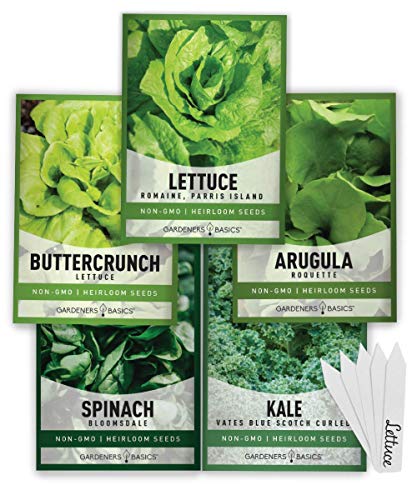
Five leafy greens varieties: Plant Parris Island romaine lettuce seeds, Buttercrunch lettuce seeds, Roquette arugula seeds, Vates Blue Scotch Curled kale seeds, and Bloomsdale spinach seeds. Includes 4,500+ seeds in five separate labeled packets.

EASIER SEED STARTING: Our Burpee SuperSeed tray with 8 extra-large flexible pop-out cells is designed to simplify indoor seed starting. Just add seed starting mix, seeds, water and light to get growing! Perfectly sized for starting seeds in the windowsill: 11.5" x 5-3/16" x 2-1/4". Rows are labeled alphanumerically for seedling identification with included Plant-o-Gram diagram.
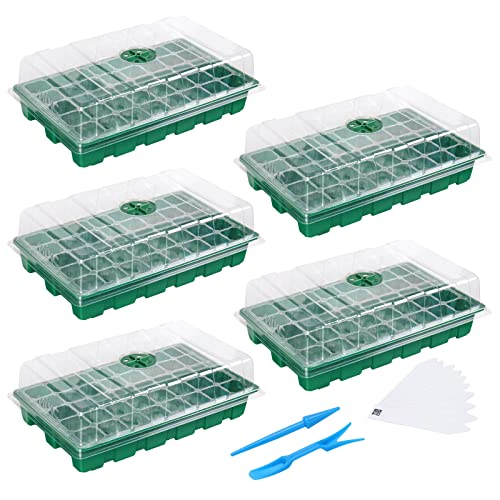
High quality transparent plastic cell trays of this seed grow kit make it easy to observe your plants without interrupting the process.
Soil Requirements
Choose loamy, well-draining soil that has a pH between 6.0 and 7.0. Enhance soil fertility by adding organic matter, like compost, before planting. Before introducing your seeds or seedlings, check the soil moisture; it should be moist but not soggy. Both lettuce and kale gain from nutrient-rich soil, so consider testing the soil to determine specific nutrient needs.
Watering and Maintenance
Water regularly to maintain consistent moisture, aiming for about an inch of water per week. Spread mulch around your plants to help retain moisture and suppress weeds. Use organic mulch like straw or leaves for added benefits. Regularly inspect for pests, especially aphids and caterpillars. If found, remove them by hand or use an organic pesticide. Fertilize every four to six weeks using a balanced fertilizer to ensure healthy growth.
Conclusion
Planting lettuce and kale together can be a rewarding experience for your garden. By understanding their unique growth habits and needs you can create a thriving environment for both crops. With proper spacing and care you’ll not only maximize your garden space but also enjoy the benefits of pest management and improved soil health.
Remember to keep an eye on moisture levels and consider using organic mulch to keep your plants happy. With these tips in mind you’re well on your way to a bountiful harvest of fresh greens. So go ahead and give it a try—your taste buds will thank you!
Frequently Asked Questions
Can I plant lettuce and kale together?
Yes, lettuce and kale can be planted together. Both crops thrive in cool weather and have different growth habits, which helps optimize space in your garden.
What are the ideal growing conditions for lettuce and kale?
Both lettuce and kale prefer loamy, well-draining soil with a pH of 6.0 to 7.0. They also thrive in cool temperatures and require adequate sunlight for optimal growth.
How far apart should I plant lettuce and kale?
For best results, space lettuce 6 to 12 inches apart and kale 12 to 18 inches apart. This spacing allows for good airflow and light exposure, reducing the risk of disease.
What are the benefits of companion planting lettuce and kale?
Companion planting these greens improves space utilization, assists with pest management—since kale deters pests affecting lettuce—and enhances soil health through organic matter.
How can I maintain soil health while growing lettuce and kale?
Rotate your crops annually, use organic matter to enhance soil fertility, and apply mulch to retain moisture and suppress weeds. This will help maintain healthy soil throughout the season.
How much water do lettuce and kale need?
Lettuce and kale should receive about an inch of water per week. Consistent moisture is crucial for optimal growth and flavor, so monitor soil moisture regularly.
How often should I fertilize my plants?
Fertilize lettuce and kale every four to six weeks. This will ensure that they receive the necessary nutrients to thrive and produce an abundant harvest.
What pests should I be aware of when growing lettuce and kale?
Common pests include aphids and caterpillars. However, planting kale can help deter these pests, promoting healthier growth for both crops in your garden.
