

Are you wondering if it’s safe to use neem oil on your tomato plants? Picture this: you’ve nurtured your tomato garden with care, only to find pesky pests threatening your hard work. That’s where neem oil comes in – a natural solution that could be the key to protecting your beloved tomatoes.
Key Takeaways
- Neem oil is a natural pesticide that effectively controls common pests like aphids and caterpillars on tomato plants.
- It can also reduce fungal infections such as powdery mildew, promoting healthier growth and higher yields.
- Proper application of neem oil involves preparing a solution with water, mild liquid soap, and following best practices for spraying.
- Safety considerations include timing of application, dilution ratios, spot testing, protective gear, proper ventilation during use, and storage precautions.
- Optimal times for applying neem oil are early morning or evening to allow foliage to dry off; frequency varies from preventive maintenance every 7-14 days to increased application for infestation treatment.
Benefits of Using Neam Oil on Tomato Plants
Neem oil offers several advantages when used on tomato plants, making it a valuable natural solution for gardeners. Let’s explore the benefits in detail:
Recommended Products

FUNGAL DISEASE CONTROL: Prevents and controls black spot on roses, powdery mildew, rust, downy mildew, and other listed fungal diseases when applied on a 7–14 day schedule
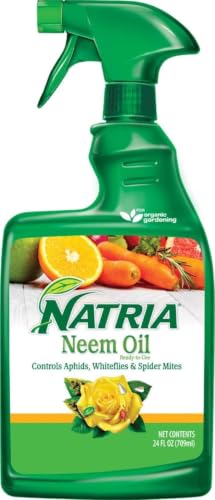
PLANT DISEASE CONTROL: Natria Neem Oil acts as an insecticide and fungicide in one convenient spray; Ready-to-use trigger sprayer requires no mixing

Protect your oasis with Captain Jack’s Neem Max Ready-to-Use Spray; this multipurpose product acts as a 4-in-1 insecticide, fungicide, miticide and nematicide
Pest Control
Neem oil acts as a natural pesticide, effectively deterring and controlling common pests that can damage tomato plants. It disrupts the feeding habits and growth cycles of insects like aphids, whiteflies, and caterpillars. By applying neem oil regularly to your tomato plants, you can protect them from harmful infestations without resorting to harsh chemical pesticides.
Fungal Infections Reduction
Another significant benefit of neem oil is its ability to reduce fungal infections in tomato plants. It contains compounds that inhibit the growth of fungi such as powdery mildew and early blight. By applying neem oil preventatively or at the first signs of fungal issues, you can help safeguard your tomato plants against these common diseases, promoting healthier growth and higher yields.
Incorporating neem oil into your gardening routine can enhance the overall health and vitality of your tomato plants while minimizing the use of synthetic chemicals.
How to Properly Apply Neem Oil on Tomato Plants
To ensure effective pest control and fungal disease prevention, it’s crucial to apply neem oil properly on your tomato plants. Here are some essential steps to follow:
Recommended Products

Protect your oasis with Captain Jack’s Neem Max Ready-to-Use Spray; this multipurpose product acts as a 4-in-1 insecticide, fungicide, miticide and nematicide

Gentle Plant Wash Made with Neem Oil & Peppermint Oil

FOR ORGANIC GARDENING - Captain Jack's NeemMax is a perfect pest control solution for any garden dealing with mites, flies, mildew, and more. This product is a four-in-one insecticide, fungicide, miticide, and nematicide.
Preparing the Neem Oil Solution
When preparing the neem oil solution for your tomato plants, you’ll need to mix the oil with water and a small amount of dish soap. Follow these simple steps:
- Gather Your Supplies: Get a spray bottle, neem oil, water, and mild liquid soap.
- Mixing the Solution: In a clean container, combine 1 teaspoon of neem oil, 1/2 teaspoon of mild liquid soap, and 1 quart of water.
- Shake Well: Close the container tightly and shake it vigorously to ensure thorough mixing.
- Test Spray: Before applying the solution to all your tomato plants, do a test spray on a small area and wait 24 hours to check for any adverse reactions.
Best Practices for Spraying
Proper spraying techniques can maximize the benefits of neem oil on your tomato plants while minimizing potential risks. Follow these best practices:
- Timing: Apply neem oil in the early morning or late afternoon when temperatures are cooler to avoid leaf damage from sunburn.
- Coverage: Ensure thorough coverage by spraying both sides of leaves as well as stems where pests commonly reside.
- Frequency: For preventive maintenance, spray every 7-14 days during peak pest seasons or at signs of fungal diseases.
- Consistency: Maintain a consistent spraying schedule throughout the growing season for optimal protection against pests and diseases.
By following these guidelines for preparing and applying neem oil on your tomato plants correctly, you can promote healthy growth and protect them from common issues effectively.
Safety Considerations When Using Neem Oil
When applying neem oil to your tomato plants, it’s essential to consider safety aspects for both the plants and yourself. Here are some key points to keep in mind:
Plant Safety
- Timing: Avoid spraying neem oil during the hottest parts of the day as this can cause leaf burn. Opt for early morning or late afternoon application when temperatures are cooler.
- Dilution: Always follow the recommended dilution ratios specified on the neem oil product label. Concentrated neem oil can harm plant foliage.
- Spot Testing: Before widespread application, perform a spot test on a small section of your tomato plant and wait 24 hours to ensure there are no adverse reactions.
- Protective Gear: Wear gloves, long sleeves, and eye protection when handling neem oil to prevent skin irritation or eye contact.
- Proper Ventilation: Apply neem oil in well-ventilated areas to avoid inhaling fumes that may cause respiratory issues.
- Storage: Store neem oil out of reach of children and pets in a cool, dry place away from direct sunlight.
By adhering to these safety considerations, you can effectively use neem oil on your tomato plants while safeguarding both plant health and personal well-being.
Timing and Frequency of Application
When it comes to applying neem oil on your tomato plants, the timing and frequency play crucial roles in its effectiveness. Here’s a breakdown of when and how often you should spray neem oil for optimal results:
Recommended Products


Protect your oasis with Captain Jack’s Neem Max Concentrate; this multipurpose product acts as a 4-in-1 insecticide, fungicide, miticide and nematicide
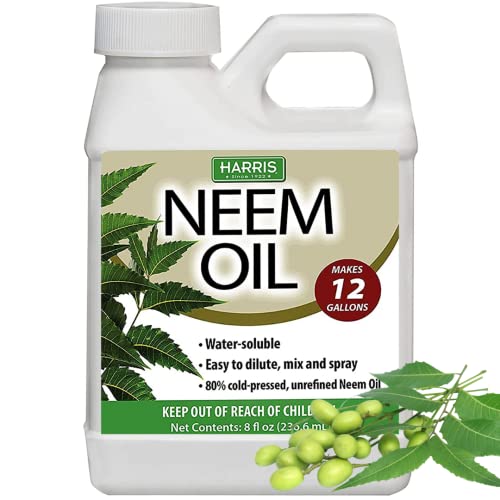
Cold-Pressed Neem Oil is a potent natural solution, ideal for maintaining healthy plants
Optimal Times for Application
- Early Morning: The best time to spray neem oil on tomato plants is early in the morning. This allows the plant foliage to dry off during the day, reducing the risk of fungal diseases that thrive in moist conditions.
- Evening Hours: Alternatively, you can apply neem oil in the evening when temperatures are cooler. Avoid spraying when it’s too hot as this can cause damage to the plant leaves.
- Preventative Maintenance: For preventive purposes, you can spray neem oil on your tomato plants every 7-14 days during the growing season. This helps deter pests and fungal infections before they become a problem.
- Infestation Treatment: If you notice pest infestations or fungal issues on your tomato plants, you can increase the frequency of neem oil application to once every 5-7 days until the problem is under control.
By following these timing and frequency guidelines for applying neem oil on your tomato plants, you’ll effectively protect them from pests and diseases while promoting healthy growth.
Conclusion
You’ve learned about the benefits of using neem oil on tomato plants for pest control and fungal infection prevention. By following proper application techniques and safety considerations, you can ensure healthy growth and protection for your tomato plants. Remember to time your sprays correctly, dilute the neem oil as instructed, conduct spot tests, wear protective gear, ensure good ventilation, and store the oil safely. Spraying in the morning or evening helps foliage dry faster, reducing fungal disease risks. For maintenance, spray every 7-14 days; increase to 5-7 days for infestations. With these guidelines in mind, you can effectively shield your plants from pests and diseases while promoting their well-being.
Frequently Asked Questions
Can neem oil be used on tomato plants for pest control and fungal infection prevention?
Yes, neem oil is effective for deterring pests and inhibiting fungal growth on tomato plants.
How should I apply neem oil to my tomato plants?
Prepare a neem oil solution as directed, conduct spot tests, wear protective gear, ensure proper ventilation during application, and spray early in the morning or evening.
How often should I spray neem oil on my tomato plants?
For preventative maintenance, spray every 7-14 days. Increase frequency to every 5-7 days for infestation treatment.
What safety precautions should I take when using neem oil on tomato plants?
Avoid leaf burn by timing applications correctly, dilute as per instructions, wear protective gear, conduct spot tests, ensure proper ventilation during application, and store neem oil safely.
