

Have you ever wondered if you can plant lettuce alongside strawberries in your garden? You’re not alone. Many gardeners face this question as they look to maximize their space and grow a variety of delicious crops.
Key Takeaways
- Companion Planting Benefits: Planting lettuce with strawberries enhances growth, improves pest control, and maximizes garden space through complementary growth habits.
- Compatibility: Lettuce’s shallow roots and strawberries’ deeper systems allow for effective use of space without competition for nutrients.
- Soil and Sun Requirements: Both crops thrive in well-draining, organic-rich soil with a pH between 6.0 and 7.0, and they require full sunlight for at least six hours daily.
- Growing Techniques: Optimal planting involves spacing strawberry plants 12 to 18 inches apart and sowing lettuce 6 to 12 inches apart, with considerations for seasonal timing and moisture management.
- Diverse Harvest: Interplanting allows gardeners to enjoy a varied harvest of lettuce and strawberries, promoting a nutritious and diverse diet.
- Ongoing Maintenance: Regular watering, mulching for moisture retention, and pest monitoring are essential to sustain healthy growth for both crops.
Understanding Companion Planting
Companion planting involves grouping different plants together to enhance growth and deter pests. This technique maximizes space and promotes a healthy garden environment.
The Basics of Companion Planting
Companion planting relies on the idea that certain plants benefit each other. Some plants can attract beneficial insects, while others might repel harmful pests. For example, basil planted near tomatoes often improves tomato flavor and growth. Similarly, lettuces can thrive alongside strawberries due to their contrasting growth habits, allowing for effective use of garden space.
Benefits of Companion Planting
Companion planting offers numerous advantages, including:
- Pest Control: Certain plants repel undesirable insects. Marigolds deter nematodes, while garlic can repel a range of pests.
- Improved Growth: Some pairings boost nutrient uptake. For instance, legumes fix nitrogen in the soil, benefiting neighboring crops.
- Maximized Space: By alternating rows of tall and short plants, you optimize sunlight exposure and soil nutrients. Lettuce’s shallow roots complement strawberries’ deeper systems.
- Biodiversity: Diverse plantings create a more resilient garden. This diversity helps prevent disease and encourages a wide range of beneficial insects.
Using companion planting smartly cultivates a thriving and productive garden.
Can I Plant Lettuce With Strawberries?
Yes, you can plant lettuce with strawberries. Both crops can coexist in a garden, offering each other benefits and maximizing your garden space.
Recommended Products

4 Popular Heirloom Lettuce Varieties: Includes Red Romaine, Bibb Butterhead, Black Seeded Simpson, and Green Ice lettuce seeds to grow crisp, tender, and colorful salad greens with balanced flavor, texture, and visual appeal.

WOODLAND STRAWBERRY SEEDS - Alpine Regina strawberry (Fragaria vesca) produces small, intensely sweet berries with rich aroma; the compact plants focus on fruit instead of runners for steady harvests

Compatibility of Lettuce and Strawberries
Lettuce and strawberries have compatible growing habits. Lettuce has a shallow root system, making it less competitive with strawberry plants. Strawberries, on the other hand, send out runners and require slightly more space. Planting lettuce in the spaces between strawberry plants helps optimize use of space, allowing both to thrive.
Potential Benefits of the Combination
Planting lettuce alongside strawberries provides several advantages:
- Pest Management: Lettuce can help deter pests that may affect strawberries, as the quick-growing lettuce may attract pests away from the strawberries.
- Soil Health: Lettuce contributes to soil cover, reducing weed growth and retaining moisture, which benefits both crops.
- Yield Maximization: By interplanting, you increase your overall yield without needing additional garden space, effectively using every square foot.
- Diverse Harvest: You gain access to two different crops at harvest time, allowing for a more varied and nutritious diet.
By understanding these compatibility and benefits, you can create a productive and harmonious garden environment.
Ideal Growing Conditions
Lettuce and strawberries thrive in similar conditions, making them great companions in your garden. Understanding their needs ensures a successful crop.
Recommended Products

Defend Against Unwanted Visitors: Gardening is a rewarding and fulfilling endeavor, and you'll watch your plants grow from nothing to maturity before you finally harvest them. Once the plants begin to flower and bear fruit, these unwelcome visitors visit your garden and often leave a trail of destruction. Garden netting is the best choice for protecting your plants


STURDY FABRIC MATERIAL: Our fabric grow bags are made of high-quality, thickened non-woven fabric and features reinforced stitching, which is breathable, reusable and durable for long time use. With the fabric planter , your plants will grow well in your balconies, backyards, terrance or patios
Soil Requirements
Lettuce prefers well-draining soil rich in organic matter. Aim for a pH level between 6.0 and 7.0 for optimal growth. Strawberries benefit from similar conditions. Amend your soil with compost or well-rotted manure to enhance fertility and structure. This mix provides essential nutrients, helping both crops flourish together.
Sunlight and Water Needs
Both lettuce and strawberries require full sun for at least six hours a day. They do well in slightly shaded areas during the hottest part of the day, especially in warmer climates. Water these plants consistently, ensuring the soil remains moist but not waterlogged. Mulching helps retain moisture while preventing weeds, creating an ideal environment for both crops.
Tips for Successful Planting
Planting lettuce with strawberries can enhance your garden’s productivity. Follow these tips for successful planting and maintenance.
Recommended Products

White hearts, leaves have crispy, sweet flavor

White hearts, leaves have crispy, sweet flavor, with Miracle-Gro Pour & Feed Singles Ready-to-Use Plant Food 4-pack for your garden; trust the experts with more than 200 years of experience
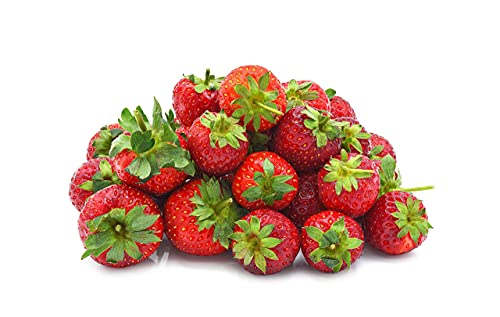
SEASCAPE STRAWBERRIES: Most productive variety that yields large, juicy, firm berries with excellent flavor throughout the harvest season
Planting Techniques
- Choose the Right Location: Select a spot with full sun for at least six hours daily. This condition benefits both lettuce and strawberries.
- Prepare the Soil: Amend soil with compost or well-rotted manure. Aim for well-draining soil rich in organic matter with a pH level of 6.0 to 7.0.
- Plant Spacing: Space strawberry plants about 12 to 18 inches apart. Sow lettuce seeds or transplant seedlings about 6 to 12 inches apart. This spacing avoids overcrowding and promotes healthy growth.
- Layering Options: Consider planting lettuce between strawberry rows. Lettuce grows quickly and can mature before strawberries spread, maximizing space usage.
- Timing: For optimal growth, plant lettuce in early spring or fall. Strawberries thrive when planted in early spring as well.
- Watering: Keep the soil consistently moist but not waterlogged. Water deeply once a week, adjusting frequency based on rainfall and temperature.
- Mulching: Apply a layer of straw or grass clippings as mulch. This technique retains moisture and suppresses weeds around both crops.
- Pest Control: Monitor for pests regularly. Use row covers or insect netting to deter pests naturally, protecting both lettuce and strawberries.
- Fertilization: Side-dress with organic fertilizer every few weeks. This action boosts nutrient availability for both plants during the growing season.
- Harvesting: Pick lettuce leaves regularly to encourage additional growth. Once strawberries are fruiting, harvest ripe berries to promote continuous production.
Adhering to these planting techniques and maintenance strategies fosters a thriving garden where lettuce and strawberries flourish together.
Conclusion
Planting lettuce with strawberries can be a rewarding choice for your garden. By utilizing companion planting techniques you can create a thriving environment that benefits both crops. With their compatible growing habits and similar care requirements you’ll maximize your space and enjoy a diverse harvest.
Remember to prepare your soil well and provide consistent care to ensure both plants flourish. You’ll not only enjoy fresh lettuce and strawberries but also the satisfaction of a healthy and productive garden. So go ahead and give it a try—your taste buds will thank you!
Frequently Asked Questions
Can I plant lettuce alongside strawberries?
Yes, you can plant lettuce alongside strawberries. Their growing habits are compatible, as lettuce has a shallow root system that doesn’t compete with the deeper-rooted strawberries. This combination maximizes garden space and promotes healthier growth.
What is companion planting?
Companion planting is the practice of growing different plants together for mutual benefits, such as pest deterrence, enhanced growth, and improved soil health. It encourages a balanced ecosystem in the garden.
What are the benefits of planting lettuce with strawberries?
Planting lettuce with strawberries provides several benefits, including effective pest management, improved soil fertility, and optimized space for increased yields. This combination promotes a diverse and productive harvest.
What are the ideal growing conditions for lettuce and strawberries?
Both lettuce and strawberries thrive in well-draining, fertile soil rich in organic matter, with a pH level between 6.0 and 7.0. They also need full sun for at least six hours per day and consistent moisture.
How can I prepare my soil for planting lettuce and strawberries?
To prepare the soil, amend it with compost or well-rotted manure to enhance fertility. Ensure the soil is well-draining, and test the pH to confirm it falls within the ideal range for both crops.
What are some tips for planting lettuce and strawberries together?
Plant lettuce between strawberry rows to maximize space and select a sunny location. Ensure proper spacing between plants, water regularly, apply mulch to retain moisture, and manage pests effectively for better growth.
How do I maintain my lettuce and strawberry plants?
Regular maintenance includes consistent watering, mulching to prevent weeds, and monitoring for pests. Fertilize as needed to support growth, and follow proper harvesting techniques to maintain continuous production.
