

Ever wondered if you can grow parsnips and carrots side by side in your garden? Picture this: you’re excited to start your vegetable patch, but you’re not sure if these two root veggies can coexist peacefully. What if I told you that not only can they grow together harmoniously, but they can also benefit each other’s growth? In this article, you’ll discover the secrets to successfully cultivating parsnips and carrots in the same garden bed. Get ready to unlock the potential of this dynamic duo and reap the rewards of a bountiful harvest.
Benefits of Growing Parsnips and Carrots Together
Have you ever thought about the benefits of growing parsnips and carrots side by side in your garden? Combining these two root veggies can actually lead to mutual benefits for both plants.
Here are a few advantages to consider:
- Soil Complement: Parsnips have deep roots that break up the soil, allowing carrots to grow more easily. The different root structures of parsnips and carrots help prevent competition for nutrients.
- Natural Pest Control: Planting parsnips and carrots together can confuse pests like carrot flies, reducing the risk of infestation. The strong aroma of parsnips can deter harmful insects and protect the carrot crop.
- Maximized Space: By growing parsnips and carrots together, you can optimize space in your garden bed. This companion planting technique can help you efficiently utilize your garden space and increase yield.
- Crop Rotation Benefits: Alternating between parsnips and carrots in the same area can help prevent soil depletion of specific nutrients. This natural crop rotation enhances soil health and fertility.
Choosing the Right Soil for Parsnips and Carrots
When planting parsnips and carrots together, it’s essential to select the optimal soil. Here are some key considerations to keep in mind:
- Well-Drained Soil: Parsnips and carrots thrive in well-drained soil to prevent rot and disease.
- Loose Texture: Aim for soil that is loose and friable, allowing roots to penetrate easily and preventing stunted growth.
- pH Level: The ideal soil pH for parsnips and carrots typically falls between 6.0 and 7.0.
- Organic Matter: Incorporating compost or well-rotted manure into the soil enhances nutrient content and soil structure.
- Avoid Heavy Clay: Heavy clay soil can impede root growth and cause deformities in carrots and parsnips.
- Soil Testing: Consider conducting a soil test to determine nutrient levels and make any necessary amendments.
- Mulching: After planting, apply mulch to retain moisture and suppress weed growth.
Remember, fertile, well-prepared soil sets the foundation for successful growth of your carrot and parsnip crops.
Planting and Spacing Tips for a Successful Harvest
When planting parsnips and carrots together in your garden, it’s essential to space them adequately for optimal growth. Here are some key tips to help you achieve a successful harvest:
- Planting Depth: Sow seeds around 1/4 to 1/2 inch deep in well-prepared soil to encourage healthy root development.
- Spacing: Ensure a distance of about 3 inches between individual seeds to allow room for growth without overcrowding.
- Row Spacing: Space rows approximately 12 to 18 inches apart to provide ample space for the plants to flourish.
- Thinning: Once seedlings emerge, thin them to about 2 to 4 inches apart to prevent competition for nutrients and sunlight.
By following these planting and spacing guidelines, you’ll create an environment that promotes the successful growth of both parsnips and carrots in your garden.
Recommended Products

PRECISION SEED SPACING TOOL The Plant Ruler helps gardeners create evenly spaced planting rows for seeds and seedlings, supporting healthier root development and organized vegetable gardens.

Effortless Carrot Curls: With dimensions of 6 x 2.25 x 2.5 inches, this carrot cutter and peeler is designed to make creating carrot curls a breeze. Crafted from durable ABS with a stainless steel blade, it ensures consistent and precise results every time

【SEED SPACING】12 tapered spikes set exactly 1 inch apart make evenly spaced holes for seed planting in one press for consistent row seeding.
Managing Pests and Diseases
Dealing with pests and diseases is a crucial part of maintaining healthy parsnips and carrots in your garden. Here’s what you should know:
Pests:
- Check your plants regularly for signs of common pests like carrot rust flies and aphids.
- Use row covers to protect your crops from these pests.
Diseases:
- Look out for fungal diseases such as carrot leaf blight.
- Practice crop rotation to prevent disease buildup in the soil.
Organic Pest Control:
- Try companion planting with marigolds to repel pests.
- Use neem oil as a natural pesticide to combat common garden pests.
- Act quickly if you notice any signs of pest infestation or disease.
Remember, staying vigilant and taking proactive measures can help you tackle pest and disease issues before they become a serious threat to your parsnips and carrots.
Recommended Products

Comprehensive Winter Protection for Your Garden: Our outdoor plant covers provide complete freeze protection for strawberries, vegetables, tomatoes, fruit trees, citrus plants, shrubs, and potted plants throughout the winter. This frost cloth plant freeze protection shields delicate plants from sudden temperature drops, frost, and strong winds, ensuring they survive harsh winter conditions. Ideal for those looking for frost blankets for outdoor plants and reliable plant freeze protection covers.
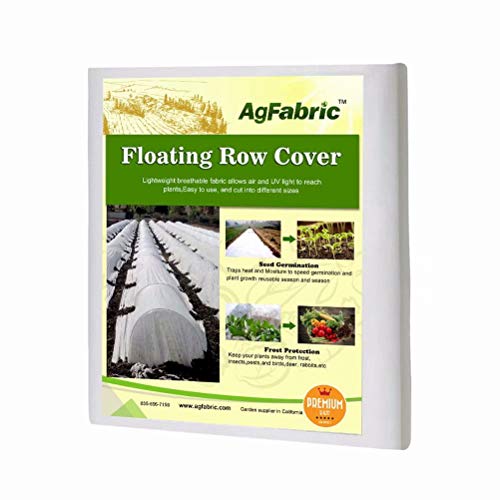
The plant row cover is made of 0.55 oz/sq non-woven polypropylene fabric which is lightweight breathable and durable. It allows air and moisture to reach your vegetables and flowers.
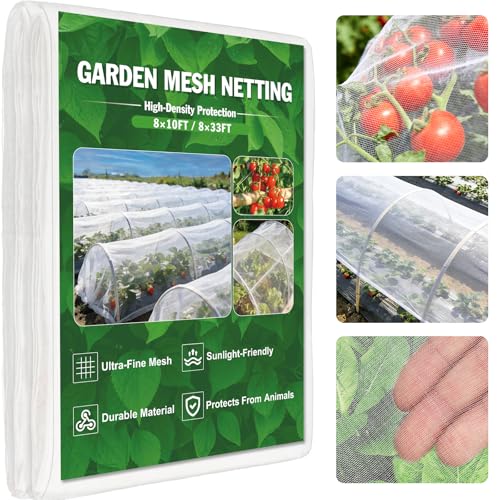
【Upgraded Fine Mesh Netting】This fine mesh garden netting uses 0.7*0.8mm high-density garden insect netting to block, birds, and small animals, offering reliable plant protection netting for vegetables and flowers
Harvesting and Storing Your Parsnips and Carrots
When it’s time to harvest your parsnips and carrots, gently loosen the soil around them with a fork to prevent damage. Pull them out by hand, taking care not to bruise or break the roots. Trim the foliage but leave about an inch attached to help with storage.
For optimal flavor, consider harvesting after a frost when the starches in the roots have converted to sugars. This usually results in sweeter-tasting vegetables.
Storage is key to keeping your parsnips and carrots fresh. Store them in a cool, moist environment to prevent wilting. A root cellar or refrigerator works well for this purpose.
Remember to regularly check stored vegetables for any signs of decay. Removing any spoiling ones immediately can help extend the shelf life of the remaining produce.
Take care not to store parsnips and carrots together with fruits such as apples and pears. These fruits release ethylene gas, which can cause vegetables to spoil faster.
| Important Tip |
|---|
| After harvesting, store parsnips in the fridge for up to 3 weeks and carrots for up to 2 weeks to maintain freshness. |
Harvesting and storing your parsnips and carrots properly ensures that you get to enjoy the fruits of your labor for an extended period.
Recommended Products

Clever Design: The BINO produce saver is made of a durable material that is easy to clean and has a tight-fitting lid to keep out moisture and air. It has a removable colander-style basket that helps drain any excess water.

Fridge-friendly storage keeps produce fresh longer

Keep Produce Fresh Longer: Produce containers for fridge with lids helps prevent spoilage, keep fruits and vegetables crisp and stay longer.
Conclusion
Growing parsnips and carrots together can be a rewarding experience in your garden. By following the planting and spacing tips provided, managing pests and diseases effectively, and adopting proper harvesting techniques, you can ensure a successful harvest of these delicious root vegetables. Remember to stay vigilant against common pests and diseases, utilize organic pest control methods, and act promptly if any issues arise. By taking care of your parsnips and carrots with diligence and attention to detail, you can enjoy a bountiful yield of fresh produce. Happy gardening!
Frequently Asked Questions
1. How can I prevent pest attacks on my parsnips and carrots?
To prevent pest attacks, regularly check for carrot rust flies and aphids. Use row covers for protection and consider companion planting with marigolds. Neem oil can also be used as a natural pesticide.
2. How do I protect my parsnips and carrots from fungal diseases?
To protect against fungal diseases like carrot leaf blight, stay vigilant and act promptly upon detecting any signs. Proper ventilation and avoiding overhead watering can help prevent fungal issues.
3. What are the recommended harvesting techniques for parsnips and carrots?
When harvesting parsnips and carrots, loosen the soil around them to ease removal. Trim the foliage but leave a small amount for storage. Store them in a cool, moist environment to prevent wilting and decay.
4. How should I store parsnips and carrots to maintain freshness?
Store parsnips and carrots in a cool, moist environment to maintain freshness. Avoid storing them with ethylene-producing fruits like apples and pears, as this can accelerate ripening and decay.
