

Have you ever wondered if you can grow lettuce from lettuce? It’s a question many home gardeners ask, especially when they’re looking to save a little money or reduce food waste. Imagine snipping off the end of a lettuce head and watching it sprout new leaves right on your kitchen counter. Sounds appealing, doesn’t it?
Key Takeaways
- Lettuce Regeneration: You can successfully grow lettuce from the remnants of an existing lettuce head by cutting the base and placing it in water.
- Cost-Effective and Sustainable: This method allows you to save money on groceries while reducing food waste, fostering a more sustainable kitchen practice.
- Selecting the Right Varieties: Leaf lettuces such as romaine, butterhead, and loose-leaf are ideal for regrowing due to their fast recovery and growth rates.
- Optimal Growing Conditions: Ensure the cut end is in shallow water and place it in a location with bright indirect sunlight, maintaining a temperature range of 60°F to 70°F for best results.
- Avoid Common Pitfalls: Prevent overwatering and ensure proper light exposure to avoid issues like root rot and wilting, which can hinder growth.
- Nutrient Needs: Supplement the water with a diluted liquid fertilizer every few weeks to provide essential nutrients for healthy lettuce growth.
Understanding Lettuce Growth
Growing lettuce from the remnants of an existing lettuce head is an effective and simple method. This process encourages fresh growth and contributes to sustainability in your kitchen.
The Basics of Lettuce Regeneration
To regenerate lettuce, start by cutting off the bottom of a lettuce head. Aim for about two inches from the base. Place the cut end in a shallow bowl filled with water. Ensure the water covers just the bottom. Position the bowl in a bright spot with indirect sunlight. Change the water every few days to keep it fresh. After a week, you’ll notice new leaves beginning to sprout from the center.
Benefits of Growing Lettuce from Lettuce
Growing lettuce from lettuce offers several advantages:
- Cost-effective: Save money by reusing kitchen scraps instead of buying new heads.
- Freshness: Enjoy fresh greens that you’ve grown at home, which is especially beneficial during off-seasons.
- Reduced Waste: Contribute to waste reduction by repurposing leftovers instead of discarding them.
- Educational: Teach children or new gardeners about plant growth and sustainability through this simple process.
Embrace this retrieval method to enrich your culinary experience and enhance your gardening skills.
How to Grow Lettuce from Lettuce
Regrowing lettuce is simple and rewarding. By following these steps, you can enjoy fresh greens right from your kitchen scraps.
Selecting the Right Lettuce Variety
Choose varieties that regenerate well. Leaf lettuce, such as romaine, butterhead, and loose-leaf types, are ideal for regrowing. These types produce new leaves quickly and don’t require a lengthy growth period. Avoid head lettuces that take longer to mature again.
- Cut the Lettuce: Remove about two inches from the base of the lettuce head. Ensure you leave enough of the core intact for regrowth.
- Place in Water: Set the cut end in a shallow bowl of water. The water should just cover the base, not submerge the entire head.
- Find a Bright Spot: Position the bowl in a location with indirect sunlight. Avoid direct sunlight, as it can cause wilting.
- Change the Water: Replace the water every two to three days to keep it fresh and prevent rot.
- Observe Growth: In about a week, you’ll notice new leaves emerging. These can reach several inches in height, ready for harvest.
- Harvest and Enjoy: When the new leaves are large enough, snip them off to use in salads or sandwiches. Regrowth will continue as long as you keep it in water.
These steps not only produce delicious lettuce but also foster a sustainable gardening practice in your home. Enjoy the process as you witness nature’s cycle firsthand.
Common Mistakes to Avoid
Avoiding common pitfalls ensures success when regrowing lettuce from lettuce scraps.
Recommended Products
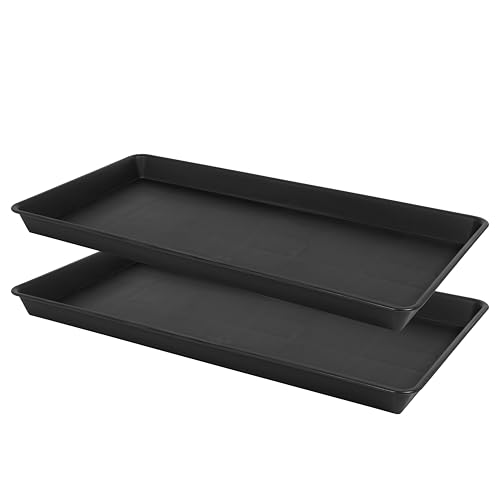
PLANT TRAY VALUE - Plant drainage tray, 2 packs plant tray saucers rectangular, Plant Saucers for Indoors, inner diameter is 16 X 9 inch width and outer diameter is 17.5 x 10.6 inch width, 1.5'' Height, suitable for flower pot with bottom diameter less than 10 11 12 13 inches. Plant drainage trays for planter.

Measure Before Buying: Top: 15" x 6.12"; Bottom: 14" x 5.4"; Height: 1.18". Please measure your planter's bottom dimensions before buying for the best fit. Ideal for windowsills, narrow planters, and small pots
Overwatering and Its Impact
Overwatering harms the regrowing process. It leads to root rot and compromises new growth. Keep the lettuce’s cut end in shallow water, about an inch deep. Change the water every few days to avoid stagnation. If you notice yellowing leaves or a mushy base, reduce water. Lettuce likes moisture but thrives in well-drained conditions.
Choosing Inappropriate Growing Conditions
Choosing the wrong spot affects healthy growth. Place your lettuce in bright areas with indirect sunlight, not direct sunlight. Too much sun can cause wilting or browning. Drafty locations or extreme temperatures stunt growth. Monitor environmental factors daily. Aim for a consistent temperature, ideally between 60°F and 70°F, for optimal results.
Tips for Success
Follow these guidelines to ensure a thriving lettuce regrowth process.
Ideal Light and Temperature Conditions
Choose bright, indirect sunlight for optimal growth. Position your lettuce scraps near a window but avoid direct sunlight, which can cause wilting. Maintain a temperature range of 60°F to 70°F. This warmth supports healthy growth and prolongs the lettuce’s lifespan. If temperatures drop too low, growth slows considerably.
Nutrient Requirements for Lettuce
Provide essential nutrients to promote robust growth. Unlike outdoor plants, growing lettuce in water requires supplemental feeding. Add a diluted liquid fertilizer or aquarium water every few weeks. Using a balanced nutrient solution ensures your growing lettuce receives necessary minerals for steady development. Keep an eye on leaf color; dark green indicates healthy growth, while yellowing might signal nutrient deficiency.
Conclusion
Growing lettuce from the remnants of an existing head is a fun and rewarding experience. Not only do you get to enjoy fresh greens right from your kitchen but you also contribute to a more sustainable lifestyle. By following the simple steps outlined in the article you can easily regenerate your lettuce and minimize waste.
Remember to keep an eye on the light and temperature conditions to ensure healthy growth. With a little patience and care you’ll be amazed at how quickly your lettuce will thrive. So grab that leftover lettuce head and start your journey toward homegrown goodness today!
Frequently Asked Questions
Can I regrow lettuce from scraps?
Yes, you can easily regrow lettuce from the remnants of a lettuce head. Simply cut about two inches from the base, place it in a shallow bowl of water, and put it in a bright area with indirect sunlight. Change the water every few days, and new leaves will begin to sprout within a week.
What types of lettuce are best for regrowing?
Romaine, butterhead, and loose-leaf varieties are ideal for regrowing from scraps. These types regenerate quickly and are well-suited for the process, making them great choices for home gardeners.
How do I change the water for regrowing lettuce?
To change the water for regrowing lettuce, simply remove the cut end from the bowl, discard the old water, and refill the bowl with fresh water. Make sure to do this every few days to keep the lettuce healthy and promote growth.
What is the best location for regrowing lettuce?
For optimal growth, place the lettuce in a bright spot with indirect sunlight. Avoid direct sunlight, as it can cause the leaves to wilt. Consistent temperatures between 60°F and 70°F will also help your lettuce thrive.
What common mistakes should I avoid when regrowing lettuce?
To ensure successful regrowth, avoid overwatering, which can lead to root rot. Additionally, make sure to provide appropriate light conditions and change the water regularly. Providing necessary nutrients in the water is also essential for healthy growth.
How can I provide nutrients for regrowing lettuce?
While growing lettuce in water, supplement its nutrients by adding diluted liquid fertilizer or using aquarium water every few weeks. This will help ensure the leaves remain healthy and vibrant during the regrowth process.
How can I tell if my regrowing lettuce is healthy?
Healthy regrowing lettuce typically has dark green leaves, indicating good nutrient levels. If the leaves start to yellow, it may signal a nutrient deficiency, which means it’s time to adjust your feeding regimen or water conditions.
