

Ever wondered if you can keep your garden vibrant even in the chill of winter? Picture this: a cozy winter evening, a hot cup of cocoa in hand, and the thought of fresh, homegrown carrots on your plate. Can you grow carrots in the winter months? The answer might surprise you!
Imagine the satisfaction of harvesting your own crunchy, sweet carrots, even when the frost is nipping at your nose. In this article, you’ll uncover the secrets to successfully growing carrots in the winter. From tips on choosing the right varieties to essential care instructions, you’ll soon be on your way to enjoying a winter bounty straight from your garden.
Benefits of Growing Carrots in Winter
When it comes to growing carrots in winter, there are numerous benefits that make it a rewarding experience:
- Extended Harvest Season: Planting carrots in winter allows you to enjoy a fresh harvest well into the cold months.
- Enhanced Sweetness: Cold temperatures can actually increase the sweetness of carrots, making them even more flavorful.
- Less Pest Pressure: Many pests that bother carrots during warmer months are less active in winter, giving your crop a better chance to thrive.
- Fresh and Nutritious: Harvesting your own carrots in winter ensures that you get the freshest, most nutritious produce straight from your garden.
- Satisfaction of Success: Successfully growing carrots in winter is a fulfilling accomplishment that can boost your gardening confidence.
To make the most of these benefits, follow the tips and guidelines mentioned in the article to ensure a successful winter carrot harvest.
Choosing the Right Carrot Varieties for Winter
When selecting carrot varieties for winter, opt for ones that thrive in cooler temperatures and have the ability to withstand frost. Consider the following factors to ensure a successful winter harvest:
- Early Varieties: Choose carrot cultivars that have a shorter maturity period, allowing you to harvest them before the harshest winter conditions set in.
- Cold-Tolerant Types: Look for carrots specifically bred for cold climates, as they are more resilient to freezing temperatures.
- Storage Varieties: Opt for carrots that store well post-harvest, enabling you to enjoy your homegrown produce throughout the winter months.
Remember, selecting the right carrot varieties is crucial for a bountiful winter harvest.
Recommended Products

COLD HARDY SEED PACK: Brave the chill with this 10-pack of cold-tolerant crops! From hearty Champion Collard Greens and Dazzling Blue Kale to sweet Nantes Carrots and vibrant Rouge d'Hiver Lettuce, this collection is perfect for cool-season gardening.
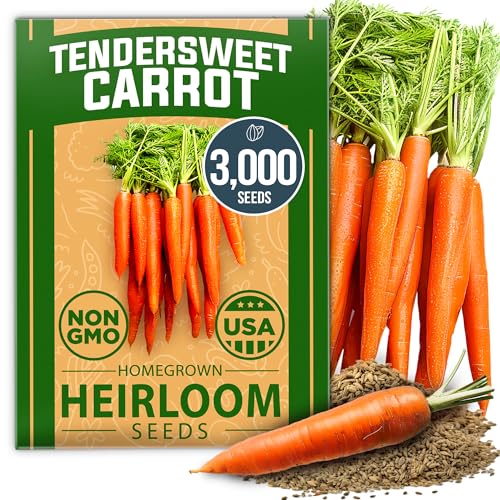
Premium Tendersweet Carrot Seeds: Authentic Open-Pollinated Premium Heirloom Seeds (USA) Non-GMO, Untreated, High Germination Rate. Phenomenal dessert Brix profile. High-impact carotene energy. An outstanding orange monolith for open ground, high ridges, and patio containers. Your garden bed is your pride.
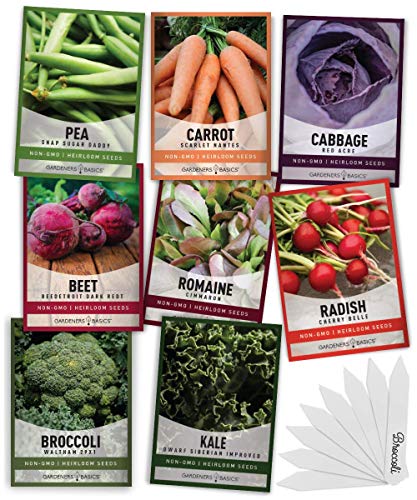
Grow beyond summer: Eight cool-season vegetable varieties for spring and fall gardens, with winter growing in suitable climates or under protection. Match sowing dates to local conditions.
Preparing the Soil for Winter Carrot Growth
When getting your soil ready for winter carrots, focus on creating a nutrient-rich environment. Here are some key steps to prepare your soil:
- Start by clearing the plot: Remove any weeds or debris to provide a clean slate for your carrot seeds.
- Loosen the soil: Use a garden fork to break up compacted soil, allowing for better root penetration and water drainage.
To boost carrot growth during the cold months, consider:
- Adding compost or aged manure: These will enrich the soil with essential nutrients carrots need to thrive.
- Avoiding fresh manure: Using fresh manure can inhibit seed germination due to its high nitrogen content.
Remember, well-prepared soil sets the foundation for a successful winter carrot harvest.
Planting and Caring for Winter Carrots
Winter carrots can be a rewarding addition to your garden, providing fresh produce even in colder months. Here’s how to plant and care for them:
- Select the Right Variety: Choose cold-hardy carrot varieties suitable for winter growth. Opt for types like Nantes or Chantenay.
- Planting Timing: Sow carrot seeds in late summer or early fall, allowing them to establish before winter sets in. Plant them about ¼ inch deep in rows.
- Soil Preparation: Ensure the soil is well-drained and free of rocks that can hinder root development. Mix in compost for added nutrients.
- Thinning: Once seeds sprout, thin them out to 2-3 inches apart to allow room for proper root growth.
- Mulching: Apply a thin layer of straw or leaves over the carrots to protect them from harsh winter conditions.
- Watering: Keep the soil consistently moist but not waterlogged. Check the moisture levels regularly, especially during dry spells.
- Pest Control: Be vigilant for pests like carrot rust fly. Use floating row covers to protect your crop.
- Harvesting: You can harvest winter carrots as needed throughout the season. They may even become sweeter after exposure to frost.
| Winter Carrot Tips | |
|---|---|
| Planting Depth | ¼ inch |
| Thinning Distance | 2-3 inches |
Recommended Products
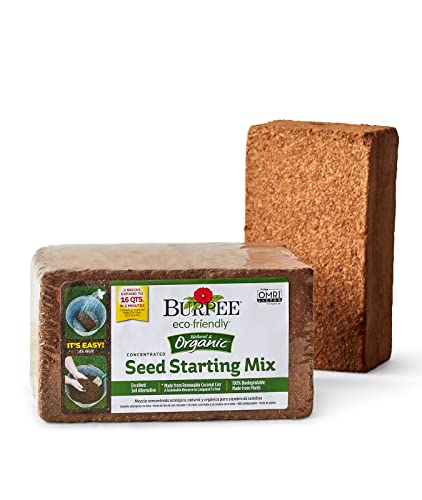
ORGANIC COCONUT COIR: Made from recycled coconut husks, coir is a light, sustainable growing medium that holds the perfect amount of moisture for starting seeds. 100% biodegradable soil alternative. Environmentally-friendly and a renewable alternative to peat moss. OMRI listed and certified organic.

Saves time and labor on plant watering

FOR USE: Ideal for raised garden beds and outdoor containers.
Harvesting and Storing Winter Carrots
Harvesting winter carrots is a rewarding experience that allows you to enjoy fresh produce even during colder months. When it comes to determining the right time for harvesting, consider the maturity of the carrots. Look for firm roots around 1 inch in diameter for optimal taste.
To harvest your winter carrots, gently loosen the soil around the carrot with a garden fork. Pull them out carefully, making sure not to damage the roots. Rinse the carrots with water to remove excess soil before storage.
Storing winter carrots properly is essential to maintain their freshness. After harvesting, remove the greens, leaving about an inch of stem attached to the carrot. This helps prevent moisture loss and prolongs shelf life.
For short-term storage, place unwashed carrots in the refrigerator in a perforated plastic bag. This method can keep your carrots fresh for up to a few weeks. If you want to store them for a longer period, consider using a root cellar or a cool, dark place with proper ventilation.
Remember to check your stored winter carrots periodically for any signs of spoilage or rot. Discard any carrots that appear soft, moldy, or have an off odor to ensure you’re enjoying the best quality produce.
Recommended Products

Deeper Capacity:Upgraded version features an additional 3cm of depth, providing more room for longer celery stalks or similar long vegetables. The extra space helps reduce crowding, allowing vegetables to stay neatly arranged and crisp

Festive 3D Snowman Christmas Kitchen Decoration - Boasting playful 3D snowman styling with classic black top hat decorated with snowflake prints and holly berries, bright carrot nose, dotted smile mouth and festive red‑green striped scarf. This vivid ceramic crock brings cheerful winter‑holiday charm, an eye‑catching highlight for your kitchen counter for daily use or Christmas gatherings

🫑【GREEN PEPPER SAVER】The package contains 1 piece green pepper saver. Reduce food waste, keep food fresh.
Conclusion
Growing carrots in the winter can be a rewarding experience if you follow the right steps. Selecting cold-hardy varieties, planting at the right time, and providing proper care are essential for successful winter carrot cultivation. Remember to maintain well-drained soil, thin seedlings, mulch for protection, and monitor watering and pests. Harvesting winter carrots when they reach around 1 inch in diameter ensures optimal taste. By following these guidelines, you can enjoy fresh, homegrown carrots even during the winter months. So, don’t hesitate to give winter carrot growing a try and savor the satisfaction of harvesting your own produce in colder seasons.
Frequently Asked Questions
1. What are the key points to consider when selecting carrot varieties for winter cultivation?
Select cold-hardy varieties like Nantes or Chantenay, suitable for winter conditions.
2. When is the best time to plant winter carrots?
Plant carrot seeds in late summer or early fall to prepare for winter cultivation.
3. How should the soil be prepared for growing winter carrots?
Ensure well-drained soil to prevent waterlogging and promote healthy root development.
4. Why is thinning seedlings essential in winter carrot cultivation?
Thinning seedlings helps prevent overcrowding, allowing carrots to grow to optimal size.
5. How can mulching benefit winter carrots?
Mulching provides insulation, protection from frost, and helps retain soil moisture.
6. What is the importance of proper watering for winter carrots?
Maintain consistent watering to keep the soil evenly moist for healthy carrot growth.
7. How can one control pests like carrot rust fly during winter cultivation?
Implement pest control measures like floating row covers to protect winter carrots.
8. When and how should winter carrots be harvested?
Harvest winter carrots as needed, looking for firm roots around 1 inch in diameter.
9. How should winter carrots be stored after harvesting?
Rinse harvested winter carrots, remove greens, and store in a root cellar or short-term refrigeration. Check regularly for spoilage.
