

Ever wondered if you can grow carrots in the shade? Picture this: you have a cozy little spot in your garden that doesn’t get much sun, but you’re eager to see those vibrant orange roots thrive. Well, you’re in for a treat because we’re about to uncover the secrets of growing carrots in the shade.
Imagine being able to harvest fresh, crunchy carrots right from your own backyard, even in areas with limited sunlight. In this article, we’ll guide you through the ins and outs of cultivating carrots in shaded areas. You’ll discover tips, tricks, and expert advice to help you achieve a bountiful carrot harvest, no matter the lighting conditions.
So, if you’ve ever pondered whether it’s possible to grow carrots in less sunny spots, you’re in the right place. Get ready to unlock the potential of your shaded garden areas and enjoy a plentiful supply of homegrown carrots.
Understanding Carrot Growth Requirements
To successfully grow carrots in shaded areas, it’s essential to understand the key growth requirements of these vibrant root vegetables. Here are some important factors to consider:
- Light: Carrots thrive in full sunlight, but they can also tolerate some shade. However, for optimal growth and development, they still need 4-6 hours of sunlight daily.
- Soil: Carrots prefer well-draining soil that is loose, deep, and free of stones to allow for healthy root growth.
- Water: Consistent moisture is crucial for carrots. Ensure the soil is kept evenly moist, especially during the germination and early growth stages.
- Temperature: Carrots are cool-season crops that grow best in temperatures between 60-70°F. Cooler temperatures can enhance their flavor.
- Nutrients: Carrots require balanced soil fertility. Prioritize a soil pH level between 6.0-6.8, with adequate levels of nitrogen, phosphorus, and potassium.
Understanding these fundamental requirements will set the stage for successfully growing carrots in shaded garden areas.
Determining Suitable Shade Levels for Carrots
When assessing whether carrots can thrive in shaded areas, carrots do best in full sun but can tolerate some shade. It’s essential to gauge the level of shade in your garden to ensure your carrots receive adequate light. Here’s how to determine if your shade conditions are suitable for carrot cultivation:
- Light Intensity:
- Use a light meter to measure the light levels in the shaded area.
- Carrots typically require 4-6 hours of sunlight daily for optimal growth.
- Shade Percentage:
- Estimate the percentage of shade coverage in the area where you plan to grow carrots.
- Carrots can tolerate around 30% shade but may struggle in areas with higher shade levels.
Remember, while carrots can adapt to partial shade, insufficient light can lead to leggy growth and smaller roots. Keep a close eye on your shade levels to ensure your carrots have the light they need to thrive.
Selecting the Right Carrot Varieties for Shaded Areas
When it comes to growing carrots in shaded areas, selecting the right varieties is crucial for success. Not all carrot types thrive in low light conditions, so choosing suitable varieties can make a significant difference in your harvest. Here are some tips to help you pick the best carrot varieties for shaded areas:
- Choose Varieties Ideal for Shading: Opt for ‘Nantes’ or ‘Chantenay’ carrot varieties known for their ability to tolerate partial shade.
- Consider Root Size: Select varieties that are more forgiving with regards to size constraints due to reduced sunlight. ‘Short and Round’ varieties can be a good choice for limited light conditions.
- Look for Quick-Maturing Options: Varieties like ‘Parmex’ or ‘Adelaide’ are known for their quick-growing nature, which can be advantageous in shaded environments where sunlight is limited.
- Explore Container-Friendly Varieties: If you’re growing carrots in containers in shaded areas, consider varieties like ‘Little Finger’ or ‘Thumbelina’ that are suitable for small spaces and can adapt to different light conditions.
By choosing the right carrot varieties for shaded areas, you can optimize your chances of a successful harvest, even in less than ideal lighting conditions.
Recommended Products

RELIABLE HEIRLOOM VARIETY - Classic Danvers 126 Half-Long carrots deliver uniform roots with rich, sweet flavor and deep orange color for everyday meals and long-term storage
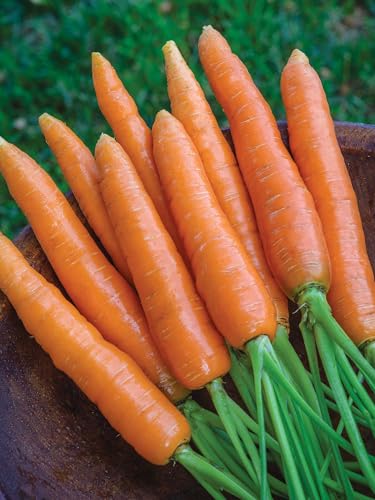
Nantes half long' has slim, cylindrical, Orange roots that are 7" long, 1.5" thick
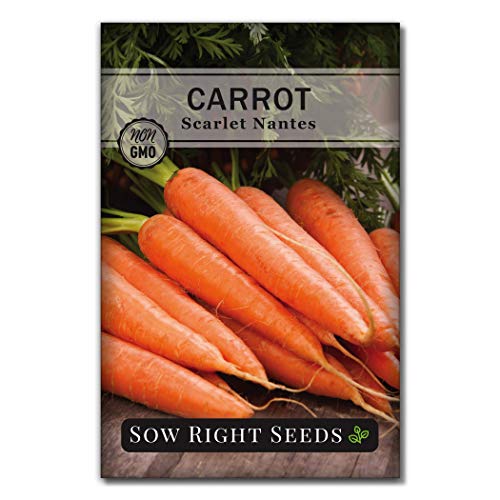
Beautiful - Full color packet of Scarlet Nantes Carrot (Daucus var. 'Scarlet Nantes') Seed. Bright red-orange, fine-grained brittle flesh that is nearly coreless with a fine very sweet flavor. Colors up early for little mini baby carrots. Minimum of 800 mg per packet (about 450 seeds).
Preparing the Soil and Planting Carrots
When growing carrots in shaded areas, preparing the soil plays a vital role in their success. Here are some steps to help you get started:
- Loosen the soil: Ensure the soil is well-drained by loosening it to at least 12 inches deep.
- Add compost: Mix in compost for nutrients and improved soil structure.
- Check pH levels: Carrots prefer slightly acidic soil with a pH between 6.0 and 6.8.
After soil preparation, it’s time to plant the carrots:
- Sow seeds thinly: Plant carrot seeds thinly to avoid overcrowding.
- Water gently: Keep the soil consistently moist but avoid overwatering.
- Thin seedlings: Once they sprout, thin them to 2-3 inches apart for proper root development.
Remember, consistent care throughout the growing season will yield healthy carrots.
Tips for Maintaining Carrot Growth in Shade
Growing carrots in shaded areas requires extra care and attention. Here are some tips to help you ensure successful carrot growth despite the limited sunlight:
- Choose the Right Variety: Opt for carrot varieties that are well-suited for shaded conditions, such as “Nantes” or “Danvers”, known for their ability to thrive with less direct sunlight.
- Monitor Moisture Levels: Adequate moisture is crucial for carrot growth. Regularly check the soil moisture with your finger and water when the top inch feels dry. Avoid overwatering to prevent root rot.
- Mulch to Retain Moisture: Apply a layer of mulch around the base of your carrot plants to help retain soil moisture and regulate temperature, which is especially important in shady areas.
- Regular Feeding: Carrots are heavy feeders and require regular fertilization to promote healthy growth. Consider using a balanced fertilizer or organic compost every few weeks throughout the growing season.
- Watch for Pests: Keep an eye out for common pests that may target carrots, such as carrot rust fly. Use protective row covers or natural repellents to safeguard your crops.
- Monitor Growth: Regularly inspect your carrot plants for any signs of distress, discoloration, or stunted growth. Address issues promptly to prevent further damage and promote healthy development.
Conclusion
Growing carrots in shade is possible with the right approach. By selecting suitable varieties like “Nantes” or “Danvers”, monitoring moisture levels, mulching, regular feeding, pest control, and growth inspection, you can ensure healthy development even in shaded areas. Remember, with proper care and attention, you can enjoy a bountiful harvest of delicious carrots regardless of the sunlight conditions. Happy gardening!
Frequently Asked Questions
Which carrot varieties are best for shaded areas?
For shaded areas, it is recommended to choose carrot varieties like “Nantes” or “Danvers” as they can thrive in low light conditions.
How should I care for carrots planted in shaded areas?
To care for carrots in shaded areas, monitor moisture levels to ensure consistent watering, apply mulch for moisture retention, regularly feed with fertilizers for nutrients, monitor for pests, and inspect growth for any issues that may arise.
What should I do to ensure healthy growth of carrots in shade?
To ensure healthy growth of carrots in shade, select suitable varieties, maintain proper moisture levels, provide necessary nutrients through fertilizers, monitor for pests, and inspect growth regularly for any abnormalities.
