

Ever wondered if those vibrant orange carrots you love can thrive in your tower garden? Picture this: you’re eager to grow your own fresh produce, but you’re not sure if your vertical setup can handle root vegetables like carrots. Well, the good news is, you’re in for a treat!
In this article, you’ll discover the secrets to successfully growing carrots in your tower garden. From choosing the right varieties to providing optimal care, you’ll learn how to nurture these crunchy delights right at home. Get ready to enjoy the satisfaction of harvesting your own homegrown carrots, all thanks to your innovative tower garden.
Selecting the Right Carrot Varieties
When choosing carrot varieties for your tower garden, opt for shorter types that thrive in containers. Consider round or mini carrots since they don’t require as much depth to grow. Choose varieties like “Thumbelina” or “Paris Market” for successful vertical cultivation.
Sowing Carrot Seeds in the Tower Garden
When sowing carrot seeds in your tower garden, remember to:
- Select a Location: Choose a sunny spot where your tower garden can receive at least 6 hours of sunlight daily.
- Prepare the Soil: Ensure your soil is loose, well-draining, and free of rocks that can hinder carrot growth.
- Planting Depth: Carrot seeds are tiny, so only sow them about 1/4 inch deep in the soil.
- Spacing: Place seeds about 1 inch apart to allow carrots to develop without crowding.
- Consistent Moisture: Keep the soil consistently moist but not waterlogged to aid germination.
- Thin Seedlings: Once seedlings emerge, thin them to about 2-3 inches apart to prevent overcrowding.
- Mulching: Consider mulching around the carrots to retain moisture and prevent weed growth.
For successful carrot growing in your tower garden, these steps are essential for nurturing healthy plants and enjoying a bountiful harvest.
Providing Adequate Sunlight and Water
To grow healthy carrots in your tower garden, adequate sunlight and consistent watering are essential. Here’s what you need to know:
- Sunlight: Carrots need at least 6-8 hours of sunlight daily.
- Watering: Water your carrots regularly to keep the soil moist but not waterlogged.
Top Tips:
- Monitor soil moisture regularly to ensure your carrots are getting enough water.
- Consider using a drip irrigation system for precise watering control in your tower garden.
Incorporate these practices into your routine to support vibrant carrot growth in your vertical garden setup.
Maintaining Proper Soil Conditions
To grow healthy carrots in your tower garden, ensuring the proper soil conditions is essential. Here are some tips to help you maintain the right environment for your carrots to thrive:
- Keep Soil Moist: Regularly check the soil moisture to ensure it stays consistently damp. Remember, carrots need adequate hydration to develop well.
- Avoid Overwatering: While carrots need moisture, they also dislike waterlogged soil. Striking a balance is key to prevent root rot and mold.
- Monitor Regularly: Make it a habit to monitor the soil moisture levels, especially during hot weather or dry spells.
- Consider Mulching: Applying a layer of mulch can help retain moisture in the soil, reducing the frequency of watering.
- Choose Well-Draining Soil: Opt for loose soil that drains well to prevent water accumulation around the roots.
| Facts | Data |
|---|---|
| Sunlight required | 6-8 hours |
| Optimal watering | Regular |
Recommended Products

Kindly NOTE: This soil tester can not be applied to test pH value of any other liquid. If the soil is too dry the indicator will not move, and water it before testing.

FEEDS UP TO 6 MONTHS: Miracle-Gro Moisture Control Potting Soil Mix feeds plants for up to 6 months and Grows Plants Twice As Big (vs unfed plants)
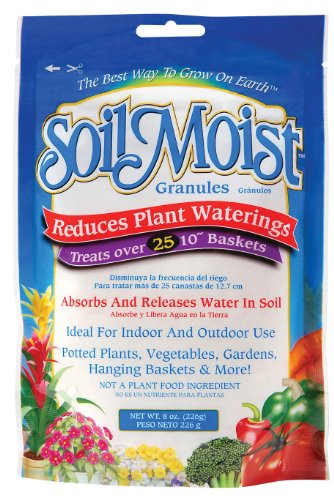
Grow beautiful plants with less water
Harvesting Fresh Carrots from Your Tower Garden
When it comes to harvesting, carrots typically take 60-80 days to reach maturity. Keep an eye on the size and color of the carrot tops as this can indicate readiness for harvest. Here’s how you can enjoy the fruits of your labor:
- Gently loosen the soil around the carrots to avoid damaging them.
- Grab the carrot close to the root and slowly pull it out.
- Inspect the carrot for size, color, and texture to ensure it’s mature and ready to be eaten.
- Trim the greens off the top of the carrot, leaving about an inch to store longer.
Conclusion
So, growing carrots in your tower garden is definitely doable with the right soil conditions and care. Remember to keep an eye on soil moisture, ensure your carrots get enough sunlight, and water them regularly. Harvesting your carrots after 60-80 days is a rewarding experience. By following the steps outlined in this article, you’ll soon be enjoying fresh, homegrown carrots from your tower garden. Happy gardening!
Frequently Asked Questions
How often should I water my carrots in a tower garden?
Carrots in a tower garden need consistent moisture. Water them deeply every 2-3 days, ensuring the soil is consistently damp but not waterlogged to promote healthy growth.
How much sunlight do carrots need in a tower garden?
Carrots require at least 6 hours of direct sunlight daily for optimal growth. Ensure your tower garden is placed in a location with ample sunlight exposure for successful carrot cultivation.
When are carrots ready to harvest in a tower garden?
Carrots typically mature in 60-80 days. Harvest them when they reach the desired size and color, gently pulling them out of the soil to avoid damage.
How should I store harvested carrots from a tower garden?
After harvesting, remove the foliage, brush off excess soil, and store carrots in the refrigerator crisper drawer or with moist sand in a cool, dark place for extended freshness.
