

Have you ever wondered if your furry friend can munch on your salad leftovers? Leaf lettuce might seem harmless, but it’s important to know what’s safe for your dog. Many pet owners face the dilemma of sharing their meals with their pups, and figuring out what’s safe can be tricky.
In this article, you’ll learn whether leaf lettuce is a good snack for your dog and what benefits it might offer. You’ll discover how to introduce it into their diet safely and what to watch out for. With the right information, you can make mealtime a little more enjoyable for both you and your four-legged companion.
Key Takeaways
- Leaf lettuce can be a healthy snack for dogs, providing essential vitamins like A, K, and C, as well as minerals such as potassium and magnesium.
- The high water content in leaf lettuce (approximately 95%) helps keep dogs hydrated, making it a refreshing treat, especially in warm weather.
- Introduce leaf lettuce gradually to avoid digestive issues; start with small portions and monitor for any adverse reactions.
- Always wash leaf lettuce thoroughly to eliminate pesticides and contaminants, and avoid feeding wilted or spoiled leaves.
- If your dog shows signs of allergies or digestive discomfort (itching, swelling, or diarrhea), discontinue feeding lettuce and consult a veterinarian.
- Consider alternatives like spinach, kale, and carrots, which also offer nutritional benefits and can safely diversify your dog’s diet.
Nutritional Benefits Of Leaf Lettuce
Leaf lettuce offers a range of nutritional benefits that can support your dog’s health. Incorporating it into your pet’s diet may provide essential vitamins and minerals.
Vitamins And Minerals
Leaf lettuce contains several key vitamins, including vitamin A, vitamin K, and vitamin C. Vitamin A supports vision and immune function. Vitamin K aids in blood clotting and bone health. Vitamin C plays a role in immune support. These vitamins contribute to your dog’s overall well-being. Additionally, leaf lettuce contains minerals such as potassium and magnesium, which help maintain healthy muscle and nerve function.
Hydration Properties
Leaf lettuce has a high water content, around 95%. This makes it an excellent choice for hydration. Feeding your dog leaf lettuce may help keep them hydrated, especially in warm weather. Hydration is vital for overall health and can assist in maintaining healthy organ function. Providing fresh leaf lettuce occasionally can be a refreshing treat that promotes your dog’s hydration needs.
Safety Concerns
Feeding leaf lettuce to dogs comes with certain safety considerations. It’s essential to understand potential risks and recognize allergic reactions.
Potential Risks
Dogs might experience digestive issues when consuming leaf lettuce. Large amounts can lead to diarrhea or upset stomach. Introduce lettuce gradually and watch for any signs of discomfort. Remove any wilted or spoiled leaves, as these can cause nausea or digestive troubles. Always ensure the lettuce is washed thoroughly to remove pesticides and contaminants.
Allergic Reactions
While rare, some dogs may have allergies to leaf lettuce. Symptoms could include itching, swelling, or gastrointestinal upset. If you notice these signs after feeding lettuce, stop giving it immediately and consult your veterinarian. Performing a patch test by offering a small piece first can help identify any sensitivities.
How To Introduce Leaf Lettuce To Your Dog
Introducing leaf lettuce to your dog’s diet can be a healthy choice. Start slowly to ensure your dog adjusts well to this new food.
Recommended Serving Size
Begin with small amounts. A piece of leaf lettuce roughly the size of your dog’s paw is a good starting point. For small dogs, one to two leaves is sufficient. For medium to large dogs, two to three leaves is ideal. Monitor your dog’s reaction for a few hours. If there are no adverse effects, you can gradually increase the amount over time.
Preparation Tips
Wash leaf lettuce thoroughly to remove dirt and pesticides. Remove any wilted or spoiled leaves as they can cause digestive issues. Cut the lettuce into manageable bites to prevent choking. You can serve it raw or lightly steamed for easier digestion. Avoid adding dressings or seasonings, as these can be harmful to dogs. Always provide fresh water alongside the lettuce to keep your dog hydrated.
Alternatives To Leaf Lettuce
If you’re exploring options beyond leaf lettuce for your dog, several alternatives offer nutritional benefits without the risks. These choices include a variety of leafy greens and safe vegetables.
Recommended Products
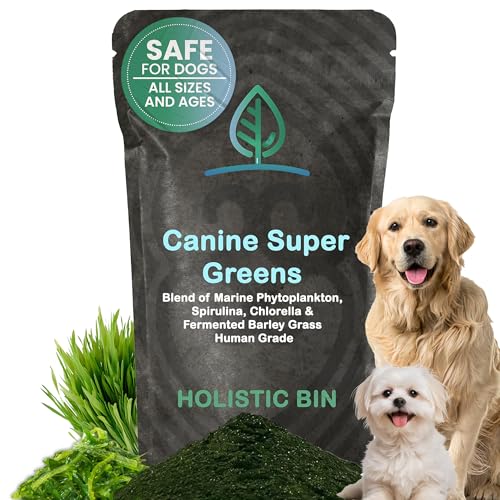
SUPER GREENS DOG FOOD TOPPER WITH ALGAE & PLANT NUTRIENTS Holistic Bin Canine Super Greens Powder features spirulina, chlorella, marine phytoplankton, and fermented barley grass. A plant-based dog food topper inspired by grasses and algae naturally consumed by canines, it supports digestion, gut health, immune function, and overall vitality while adding nutrient-rich flavor to every meal for picky or dry food eaters.

Comprehensive Nutritional Support for Dogs – Concerned about your dog’s diet? Natural Dog Company Super Greens Food Topper delivers 60+ essential nutrients, vitamins, and minerals to fill dietary gaps. Formulated to promote eye health, immune defense, digestion, and skin & coat wellness, this daily multivitamin topper helps your pup thrive. Clean formula with no fillers, artificial preservatives, or colors.

Super Greens for Super Dogs – Keep tails wagging with Dog Greens dog multivitamin powder! Packed with organic and wild-harvested superfoods, it delivers a potent blend of dog vitamins, minerals, fiber, and antioxidants for vibrant health and energy
Other Leafy Greens
Consider these leafy greens for your dog:
- Spinach: Packed with vitamins A, C, and K, spinach promotes healthy skin and strong bones. Serve it raw or lightly steamed for easier digestion.
- Kale: Rich in antioxidants and fiber, kale strengthens the immune system. Offer it in small quantities, as its calcium oxalate content may affect some dogs.
- Collard Greens: Full of nutrients, collard greens support heart health. Wash it well and serve it raw or steamed to enhance digestibility.
Safe Vegetables For Dogs
Many vegetables are safe and nutritious for dogs. Here are some good options:
- Carrots: Low in calories, carrots are great for dental health and provide vitamins A and K. Serve them raw or cooked.
- Green Beans: High in fiber and low in calories, green beans contribute to weight management. They can be fed raw, steamed, or boiled.
- Sweet Potatoes: Rich in vitamins and minerals, sweet potatoes offer digestive health benefits. Cook them thoroughly and serve mashed or cubed.
These alternatives help diversify your dog’s diet while ensuring they receive essential nutrients.
Conclusion
Feeding your dog leaf lettuce can be a fun way to introduce some variety into their diet. Just remember to start slow and pay attention to how they react. Fresh and clean lettuce can be a crunchy treat that many pups enjoy.
If you notice any signs of allergies or digestive issues it’s best to stop feeding it and consult your vet. Don’t forget there are plenty of other veggies that can also provide great nutrition for your furry friend. Keeping their meals diverse not only keeps them happy but also supports their overall health. Enjoy exploring new foods together!
Frequently Asked Questions
Can dogs eat leaf lettuce?
Yes, dogs can eat leaf lettuce in moderation. It offers some nutritional benefits, including vitamins and minerals. However, it should be introduced gradually, starting with small amounts to monitor for any digestive issues.
What are the risks of feeding dogs leaf lettuce?
The primary risk of feeding dogs leaf lettuce is potential digestive upset, including diarrhea or vomiting. Always introduce it slowly and watch for allergic reactions or discomfort. If these occur, stop feeding it immediately and consult a vet.
How should I prepare leaf lettuce for my dog?
Wash the lettuce thoroughly to remove pesticides and dirt. Remove any wilted leaves and serve it raw or lightly steamed. Avoid adding any harmful seasonings, and always provide fresh water alongside to keep your dog hydrated.
What should I do if my dog shows signs of an allergy to lettuce?
If your dog shows signs of an allergic reaction after eating lettuce, stop feeding it immediately. Consult with your veterinarian for advice and possible alternatives to ensure your dog remains healthy and comfortable.
What are some alternatives to leaf lettuce for dogs?
Alternatives to leaf lettuce include spinach, kale, collard greens, carrots, green beans, and sweet potatoes. These options also offer nutritional benefits and can diversify your dog’s diet while ensuring they get essential nutrients.
