

Ever wondered if your feathered friends can munch on those tomato plants in your backyard? Picture this: you’re tending to your garden, admiring the vibrant hues of your tomatoes, when suddenly, a curious chicken saunters by. You might find yourself pondering, “Can chickens eat tomato plants?”
In this article, we’ll explore the fascinating world of poultry diets and uncover whether it’s safe for chickens to indulge in tomato plants. By understanding what these backyard companions can and cannot consume, you’ll be equipped with the knowledge to ensure their well-being while maintaining a flourishing garden. Let’s dive into the dos and don’ts of feeding your chickens to create a harmonious environment for both your crops and clucking companions.
Key Takeaways
- Chickens are omnivores and require a balanced diet of grains, protein sources, and vegetables for optimal health and egg production.
- Ripe tomatoes can be a nutritious treat for chickens due to their vitamins and antioxidants, but tomato plants (leaves and stems) contain toxic compounds that should be avoided.
- Safe feeding practices include offering ripe tomatoes in moderation, removing tomato plant parts, and providing other safe treats like leafy greens, fruits, and grains.
- Avoid feeding chickens toxic foods such as avocado, chocolate, onions, and garlic to prevent potential health issues.
Understanding the Chicken Diet
When it comes to understanding what chickens eat, it’s essential to provide them with a balanced diet that meets their nutritional needs. Here are key aspects to consider:
What Chickens Typically Eat
Chickens are omnivores, meaning they can consume both plant matter and insects. A typical chicken diet consists of:
- Grains: such as corn, wheat, and barley.
- Protein sources: like insects, worms, or commercial feed.
- Vegetables: including leafy greens and certain fruits.
The Importance of a Balanced Diet
Maintaining a balanced diet for chickens is crucial for their health and egg production. A well-rounded chicken diet should include:
- Adequate protein: essential for muscle development and egg production.
- Carbohydrates: as an energy source for daily activities.
- Vitamins and minerals: to support overall health and immunity.
By ensuring your chickens have access to a variety of foods that cover these essential nutrients, you can keep them healthy and thriving in your backyard.
Can Chickens Eat Tomato Plants?
When considering whether chickens can consume tomato plants, it’s essential to understand the potential implications on their health and well-being.
Recommended Products

Contains natural ingredients to feed microbes in the soil
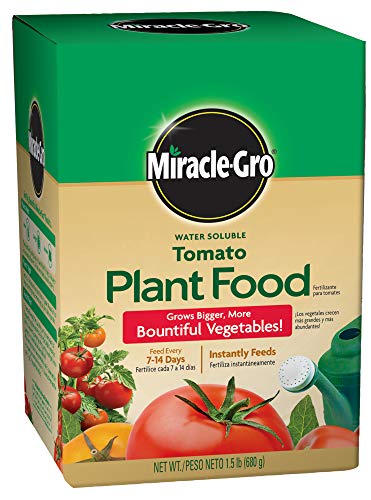
Instantly feeds to grow bigger, more bountiful vegetables versus. unfed plants

Let our professionally formulated plant food help you grow bigger, juicer and plumper tomatoes in your garden
The Nutritional Value of Tomatoes for Chickens
Tomatoes are a source of essential nutrients that can benefit chickens when consumed in moderation. They contain vitamins such as A and C, which support immune function and overall health. Additionally, tomatoes provide antioxidants that help combat free radicals in the body. However, it’s crucial to note that only ripe tomatoes should be fed to chickens as unripe ones contain solanine, which is toxic to both humans and animals.
Risks Associated With Feeding Tomatoes to Chickens
While ripe tomatoes can offer nutritional benefits to chickens, there are risks associated with feeding them tomato plants. Tomato plants, including leaves and stems, contain solanine and other toxic compounds that can be harmful if ingested in large quantities. It’s important to avoid feeding chickens excessive amounts of tomato plants to prevent potential poisoning or digestive issues.
By being mindful of the nutritional value of tomatoes for chickens and understanding the risks associated with feeding them tomato plants, you can make informed decisions regarding your flock’s diet and ensure their health and safety in a backyard setting.
Safe Feeding Practices
When it comes to feeding your chickens, it’s crucial to follow safe practices to ensure their health and well-being. Here are some guidelines to help you make informed decisions about what and how to feed your feathered friends.
Recommended Products

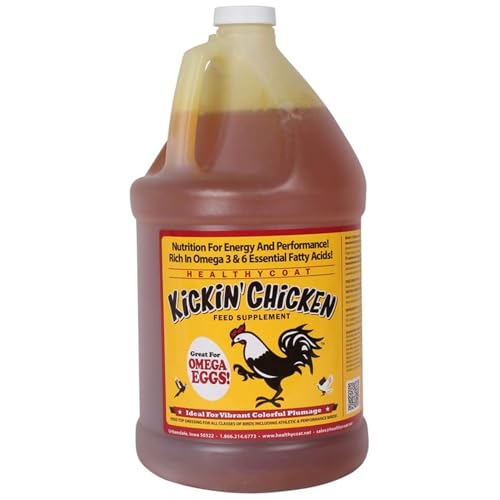
Natural Digestion Support: Our garlic digestive mix also includes oregano, flaxseeds, pepper, capsicum and red pepper flakes for chickens to support intestinal health. Ingredients commonly used to support gut flora, feed absorption, resilience and energy

How to Feed Tomatoes to Chickens
If you’re considering feeding tomatoes to your chickens, remember that ripe tomatoes in moderation can be a nutritious treat for them. To safely feed tomatoes:
- Offer only ripe tomatoes: Make sure the tomatoes are fully ripe before giving them to your chickens.
- Remove the leaves and stems: Avoid feeding your chickens tomato plant parts like leaves and stems, as they contain harmful compounds.
- Cut the tomatoes into small pieces: Chop the tomatoes into small, bite-sized pieces for easy consumption by your chickens.
Other Safe Treats for Chickens
In addition to tomatoes, there are other safe treats you can offer your chickens as part of their diet. Some examples include:
- Leafy greens: Vegetables like spinach, kale, or lettuce provide essential nutrients for your chickens.
- Fruits: Apples, berries, or melons can be tasty snacks for your flock.
- Grains: Cooked rice or oats are good sources of carbohydrates for energy.
By incorporating a variety of safe treats into their diet while being mindful of potential risks like toxic plants such as tomato plants, you can keep your chickens healthy and happy. Remember always to prioritize their dietary needs for optimal well-being.
Common Toxic Foods for Chickens
When it comes to feeding your chickens, it’s crucial to be aware of foods that can be harmful to them. Certain foods contain toxins that can pose a risk to your flock’s health. Here are some common toxic foods you should avoid giving to your chickens:
- Avocado: Avocado contains a toxin called persin, which can be harmful to chickens if ingested in large quantities.
- Chocolate: Chocolate contains theobromine, a compound that is toxic to chickens and can lead to various health issues.
- Onions and Garlic: Onions and garlic contain compounds that can cause damage to a chicken’s red blood cells.
By being mindful of these common toxic foods and avoiding them in your chickens’ diet, you can help ensure the well-being and safety of your feathered friends.
Conclusion
Remember, when it comes to feeding your chickens tomato plants, it’s crucial to be cautious. While ripe tomatoes can offer beneficial nutrients like vitamins A and C, the toxic compounds in tomato plants can pose risks to your flock’s health. By following safe feeding practices such as offering only ripe tomatoes, removing leaves and stems, and cutting them into small pieces, you can keep your chickens happy and healthy. Consider providing a variety of treats like leafy greens, fruits, and grains to ensure a balanced diet for your feathered friends. Avoid common toxic foods like avocado, chocolate, onions, and garlic that could harm your chickens. With these tips in mind, you’ll be able to create a safe environment for your chickens while promoting their well-being in your backyard setting.
Frequently Asked Questions
Q: Why is it important to understand chickens’ dietary needs?
A: Understanding chickens’ dietary needs is crucial for their well-being and a thriving garden. A balanced diet with grains, protein sources, vegetables, and essential nutrients promotes overall health and productivity in chickens.
Q: What are the nutritional benefits of ripe tomatoes for chickens?
A: Ripe tomatoes provide vitamins A and C, which are essential for chicken health. However, caution should be taken when feeding chickens tomato plants containing toxic compounds like solanine.
Q: How can I safely feed tomatoes to my chickens?
A: To feed tomatoes safely to chickens, offer only ripe tomatoes, remove leaves and stems, and cut them into small pieces. This helps prevent potential risks associated with toxic compounds in tomato plants.
Q: What other safe treats can I give my chickens besides tomatoes?
A: Besides tomatoes, you can offer your chickens safe treats such as leafy greens, fruits, and grains. Providing a variety of nutrient-rich foods ensures a well-rounded diet for your flock.
Q: Which common foods should I avoid feeding my chickens due to toxicity?
A: Avoid feeding your chickens toxic foods such as avocado, chocolate, onions, and garlic. These foods can have harmful effects on chicken health and should be kept out of their diet to ensure their well-being.
