

Have you ever wondered if you can plant cabbage and lettuce side by side in your garden? You’re not alone. Many gardeners face the challenge of maximizing space while ensuring their plants thrive.
Combining different crops can be a smart way to make the most of your garden, but not all plants get along. In this article, you’ll discover whether cabbage and lettuce can coexist happily in your backyard. You’ll learn about their growth habits, potential benefits, and tips for successful planting. By the end, you’ll be equipped to make informed decisions for a flourishing garden.
Key Takeaways
- Compatibility: Cabbage and lettuce grow well together, with cabbage attracting beneficial insects and lettuce providing shade, enhancing overall plant health.
- Pest Management: Companion planting helps manage pests naturally, with cabbage encouraging beneficial insects that control harmful pests like aphids.
- Space Efficiency: Their differing growth habits allow for efficient use of garden space, with cabbage growing tall and lettuce remaining low, leading to higher yields.
- Nutrient Sharing: While they have different nutrient needs, planting them together can promote healthier soil ecosystems when properly managed.
- Potential Challenges: Be aware of nutrient competition and disease susceptibility when planting them side by side—monitor soil nutrients and practice crop rotation to mitigate risks.
- Best Practices: Test soil, space plants adequately, and use organic amendments to ensure both crops thrive together for a successful garden.
Overview of Companion Planting
Companion planting involves growing different plants together for mutual benefits. This strategy optimizes garden space, enhances growth, and wards off pests. Here’s a closer look at its principles and benefits.
Compatibility
Compatibility plays a crucial role in companion planting. Not all plants thrive when grown together. For example, cabbage and lettuce often coexist well. Cabbage attracts beneficial insects that can aid lettuce health. Additionally, lettuce provides shade for cabbage during hot weather.
Pest Management
Companion planting helps manage pests naturally. Some plants repel harmful insects, protecting their neighbors. For instance, nasturtiums can deter aphids that might target cabbage. By planting them nearby, you can minimize pest risks and support plant health.
Nutrient Sharing
Plants can share nutrients, enhancing soil health. Some crops, like beans, fix nitrogen in the soil, benefitting neighboring plants. While cabbage and lettuce don’t directly affect each other’s nutrient needs, their simultaneous growth can promote healthier soil ecosystems.
Maximizing Space
Maximizing garden space is essential for efficiency. Companion planting allows you to use vertical space and fill gaps. For instance, you can plant lettuce in between cabbage plants. This intercropping not only efficiently utilizes space but also encourages a fuller garden appearance.
Examples of Companion Plants
Here are specific examples of plants that work well with cabbage and lettuce:
- Onions: Repel pests that affect cabbage.
- Carrots: Utilize shallow soil while cabbage grows deep.
- Radishes: Grow quickly and can break up soil for cabbage roots.
By strategically planting companion crops, you enhance garden health and productivity. Understanding these principles can lead to a thriving vegetable garden with cabbage, lettuce, and their companions.
Benefits of Planting Cabbage and Lettuce Together
Planting cabbage and lettuce together offers several benefits that enhance your gardening experience. These crops complement each other, promoting healthier growth and maximizing space.
Recommended Products


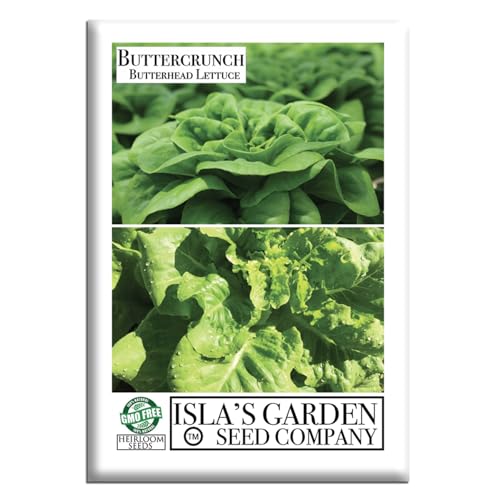
🥬 Classic Butterhead Garden Favorite: Buttercrunch Lettuce is a dependable cool-season variety known for its compact plants and tender, buttery leaves that form loose, crisp heads. Gardeners value this productive lettuce for its smooth texture, mild flavor, and steady leaf production. It performs well in garden beds, raised beds, and containers, making it a great choice for fresh salad harvests.
Pest Control
Cabbage attracts beneficial insects, such as ladybugs and parasitic wasps, which help manage pests like aphids. When you plant lettuce nearby, it can provide a diverse habitat that encourages these helpful insects. Additionally, lettuce’s lower profile offers ground cover, discouraging pests from settling in your garden. By keeping pests at bay, you minimize the need for chemical interventions, leading to healthier crops and a more sustainable garden.
Space Efficiency
Cabbage and lettuce occupy different vertical spaces in your garden. Cabbage grows tall and broad, while lettuce stays low and compact. This growth habit allows you to utilize your garden area efficiently, planting them closely without overcrowding. Intercropping these crops not only maximizes your available garden space but also leads to higher overall yields. Consider staggered planting schedules to ensure a continuous harvest throughout the growing season.
Potential Issues with Joint Planting
Planting cabbage and lettuce together can be beneficial, but some potential issues might arise that you should consider before planting.
Recommended Products
FOR USE ON: Use Garden-tone organic fertilizer for leafy vegetables like lettuce, kale & cabbage as well as warm season crops like tomatoes, peppers, squash & melons.

Nutrient Competition
Cabbage and lettuce may compete for nutrients in the soil. Cabbage typically requires more nitrogen, while lettuce thrives in slightly different nutrient levels. This competition can lead to stunted growth if both crops draw from the same soil resources. Test your soil to gauge nutrient levels. If you notice depletion, consider side-dressing your plants with compost or a balanced fertilizer. This will support both crops and may mitigate any competition effects.
Disease Susceptibility
Both cabbage and lettuce can be susceptible to diseases, such as downy mildew or aphid infestations. When planted together, if one plant becomes infected, it can potentially spread to the other. To minimize disease risk, practice crop rotation. After harvesting, switch where you plant cabbage and lettuce each season. This breaks the lifecycle of pathogens and reduces disease incidence. Additionally, ensure adequate spacing for airflow around your plants. This helps in preventing moisture buildup, which is a catalyst for bacterial growth.
Best Practices for Planting Cabbage and Lettuce Together
Successful planting of cabbage and lettuce together requires attention to several key factors. By following these best practices, you can ensure both crops thrive.
Recommended Products

Quick, at home results for Soil pH, Nitrogen, Phosphorous and Potash Innovative and inexpensive soil test kit features an easy-to-use capsule system and patented color comparators

Comprehensive Soil Analysis: Liquid soil test kits offer a comprehensive analysis of essential soil parameters, including pH, ammonia, nitrogen, phosphorus, and potassium. Having all these measurements in one kit provides a holistic understanding of the soil's fertility and health.

KNOW BEFORE YOU GROW | Grow the healthiest, sustainable lawn and garden with the most accurate and easy to use professional soil test kit on the market
Soil Preparation
Prepare the soil by first testing its nutrient levels. Cabbage requires more nitrogen compared to lettuce. Amend your soil with compost or a balanced fertilizer to provide sufficient nutrients. Aim for a pH level between 6.0 and 7.0 for optimal growth. Incorporate organic matter to enhance soil structure and drainage, which benefits both crops. You might combine well-rotted manure or leaf mold into your planting beds.
Timing and Spacing
Timing your planting session is crucial. Start cabbage seeds indoors about 6-8 weeks before your last frost date. Transplant them outdoors when seedlings are 4-6 weeks old. Direct sow lettuce seeds 2-4 weeks before the last frost or alongside transplants.
In terms of spacing, place cabbage plants 18-24 inches apart. This distance allows for adequate airflow and reduces disease risk. For lettuce, aim for 12 inches of space between each plant. By staggering these plantings, you’ll optimize sun exposure and minimize competition for resources. Remember, adjusting your spacing based on the variety of cabbage and lettuce can also help accommodate their specific growth habits.
By focusing on these practices, you set the foundation for a fruitful garden that benefits from companion planting.
Conclusion
Planting cabbage and lettuce together can be a rewarding experience for your garden. By understanding their compatibility and growth habits you can maximize space while promoting healthy crops. This duo not only helps with pest management but also allows for efficient use of vertical space.
Just remember to keep an eye on nutrient levels and provide adequate spacing to prevent competition and disease. With a little planning and care you can enjoy a bountiful harvest of both cabbage and lettuce. So go ahead and give it a try—your garden will thank you!
Frequently Asked Questions
Can cabbage and lettuce be planted together?
Yes, cabbage and lettuce can be planted together effectively. They are compatible crops that occupy different vertical spaces, allowing for efficient use of garden area and promoting healthier growth through companion planting.
What are the benefits of planting cabbage and lettuce together?
Planting cabbage with lettuce offers benefits like natural pest control and efficient space usage. Cabbage attracts beneficial insects, while lettuce provides shade, reducing the need for chemical interventions and fostering a sustainable garden environment.
How can I prevent competition for nutrients between cabbage and lettuce?
To mitigate nutrient competition, test your soil for nutrient levels before planting. Consider side-dressing with compost or balanced fertilizer to ensure both crops receive adequate nutrients for healthy growth.
What are some common diseases affecting cabbage and lettuce?
Both cabbage and lettuce can be prone to diseases like downy mildew and aphid infestations. To minimize disease risk, practice crop rotation and maintain adequate spacing between plants for better airflow.
What are the best practices for planting cabbage and lettuce together?
For successful planting, prepare your soil by testing nutrient levels and amending with compost. Start cabbage seeds indoors 6-8 weeks before the last frost, and sow lettuce seeds 2-4 weeks before the last frost, ensuring proper spacing for airflow and growth.
