

Ever wondered how to make your carrot harvest sweeter and more abundant? What if we told you that the secret might lie in the diversity of your garden? Picture this: struggling to get your carrots to grow just right, but what if there was a way to naturally enhance their yield and flavor without all the extra effort? In this article, you’ll discover how biodiversity could be the missing ingredient in your carrot-growing success.
By exploring the impact of biodiversity on carrot yield and quality, you’re not only unlocking the potential for a more bountiful harvest but also nurturing a healthier ecosystem in your own backyard. Imagine enjoying carrots that are not only tastier but also packed with more nutrients, all thanks to the diverse plant companions in your garden. Get ready to delve into how embracing biodiversity can transform your carrot patch into a thriving and vibrant haven of flavor and abundance.
Understanding Biodiversity in Gardening
When diversifying your garden, you’re essentially creating a community where each plant plays a vital role in the ecosystem. Here are some key points to consider:
- Plant Variety: Including a variety of plants can act as a natural defense system, keeping pests at bay without the need for harmful chemicals.
- Pollination: Diverse plant species attract a wider range of pollinators such as bees and butterflies, benefiting not just your carrots but the entire garden.
- Soil Health: Different plants have varying root structures that improve soil quality, aiding in nutrient absorption and overall soil health.
- Companion Planting: Pairing carrots with plants like onions or dill can repel pests and boost growth, leading to healthier carrots.
- Crop Rotation: By rotating different crops, you can enhance soil fertility, reduce disease buildup, and ultimately improve carrot yield and flavor.
- Balanced Ecosystem: A diverse garden mirrors nature’s way of balance, promoting a healthier ecosystem that sustains itself over time.
The Relationship Between Biodiversity and Carrot Yield
When it comes to carrot yield, increasing biodiversity in your garden can have a substantial impact. Diverse planting can help attract beneficial insects like ladybugs that prey on pests harmful to carrots, leading to healthier plants and a higher yield.
By companion planting carrots with plants like onions, chives, or rosemary, you create a natural defense system that can keep pests at bay. These companion plants can confuse pests with their scents or even release chemicals that deter harmful insects.
Crop rotation is another biodiversity technique that can benefit carrot yield. Rotating your crops helps prevent the buildup of pests and diseases that specifically target carrots, reducing the risk of stunted growth or poor-quality harvests.
Soil health is crucial for carrot growth, and diverse plantings contribute to a balanced ecosystem underground. Different plants have varying root structures that can break up compacted soil, improve drainage, and enhance nutrient availability for carrots.
Achieving optimal carrot yield and quality is not just about what you plant but also about the surrounding biodiversity that supports and protects your crop. By fostering a diverse garden ecosystem, you set the stage for a flourishing carrot harvest.
Improving Carrot Quality Through Biodiversity
When it comes to improving the quality of your carrots through biodiversity, companion planting is a strategy that can work wonders in your garden. Pairing your carrot plants with beneficial herbs and flowers can help keep pests at bay and enhance carrot growth. For instance, planting carrots alongside marigolds not only adds a pop of color to your garden but also deters nematodes that can harm carrot roots.
Another way to boost carrot quality is by introducing cover crops. Cover crops like clover or rye can help prevent erosion, retain moisture, and add nutrients to the soil, all of which contribute to healthier carrot plants.
Consider attracting pollinators to your garden by planting nectar-rich flowers near your carrot patch. Bees and other pollinators play a crucial role in ensuring proper pollination, which directly impacts the size and shape of your carrots.
Lastly, don’t underestimate the power of organic mulch. Applying a layer of organic mulch around your carrot plants can help regulate soil temperature, retain moisture, and suppress weed growth, promoting optimal conditions for your carrots to thrive.
| Examples |
|---|
| Planting marigolds alongside carrots to deter nematodes |
| Using cover crops like clover to improve soil health |
| Attracting pollinators with nectar-rich flowers |
| Applying organic mulch to regulate soil temperature and retain moisture |
Recommended Products

Premium Seeds: Tendersweet heirloom carrot variety offering approximately 2600 seeds for extensive garden planting and multiple growing seasons

Fast, reliable sprouting: These Marigolds plant seeds are easy to start indoors 4–6 weeks before frost or direct sow; Marigold seeds for planting outdoors & indoors germinate in 7–21 days at 65–80 °F, plant 1/4" deep. Ideal garden seeds for beginners.
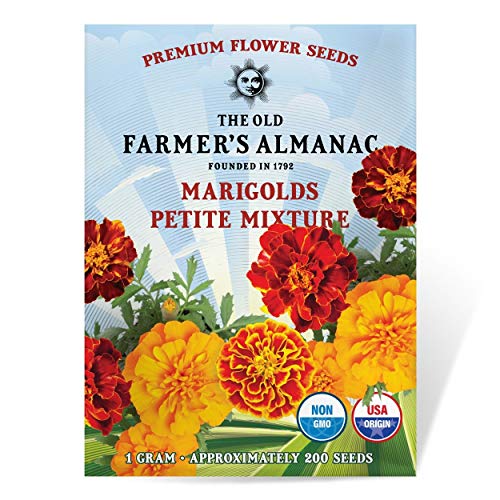
Easy to Grow: With prodigeous brilliant orange, yellow and red flower clusters Petite Mix Marigolds are hardy growers that love sun and heat and are drought tolerant. They also produce great flowers for arrangements or drying, and the seeds are easy to harvest and use for years to come!
Implementing Biodiversity Techniques in Your Garden
When implementing biodiversity techniques in your garden to enhance carrot yield and quality, there are several strategies you can adopt to create a thriving ecosystem for your crops.
Recommended Products

Vibrant Flowers: Marigolds burst forth with large, vivid blooms, creating an enchanting garden display that adds eye-catching beauty to flowerbed borders

French Petite Marigold - Signature Heirloom Collection (USA): Non-GMO | Untreated seeds | High germination rate. Architectural micro-scale in the "Quiet Luxury" style within garden and tabletop compositions unfolds as an element of high landscape fashion. French chic of a botanical masterpiece with an impeccable sense of proportion.

The Best Value - Organo Republic Marigold Seeds Pack includes 1 oz or approximately 9,250 Non-GMO heirloom marigold seeds. Marigold (Tagetes erecta) offers vibrant ornamental beauty and is valued in traditional medicine for its anti-inflammatory and antimicrobial benefits.
Companion Planting:
- Planting marigolds alongside your carrots can deter pests and promote growth.
- Consider intercropping with beneficial herbs like parsley or chives to attract beneficial insects.
Cover Crops:
- Introduce clover or rye as cover crops to prevent erosion and enrich the soil.
- These crops help maintain moisture levels, creating optimal growing conditions for carrots.
Pollinator Attraction:
- Attract bees and other pollinators by planting nectar-rich flowers near your carrot patch.
- Proper pollination is key to improved size and shape of your carrots.
Organic Mulching:
- Use organic mulch such as straw or grass clippings around carrot plants.
- This helps regulate soil temperature, retain moisture, and suppress weed growth.
Thinning and Watering:
- Ensure to thin out young carrot seedlings to prevent overcrowding.
- Consistently water your carrots, keeping the soil evenly moist but not waterlogged.
- Monitor your garden regularly for signs of pests or diseases.
- Take immediate action to mitigate any issues to ensure optimal growth.
| Key Point | Importance |
|---|---|
| Companion Planting | Boost growth and deter pests |
| Cover Crops | Prevent erosion and enrich soil |
| Pollinator Attraction | Improve pollination for better carrots |
| Organic Mulching | Regulate soil temperature and retain moisture |
Remember, by incorporating these biodiversity techniques into your gardening routine, you can significantly enhance the yield and quality of your beloved carrots.
Embracing a Sustainable Approach for Better Carrot Harvest
Embracing a Sustainable Approach for Better Carrot Harvest
So, let’s dive into how embracing biodiversity can boost your carrot yield and quality.
Companion Planting
- Pair marigolds with your carrots to deter pests.
- Consider planting beneficial herbs like dill and parsley nearby.
Cover Crops
- Use clover or rye to protect the soil and add nutrients.
Attracting Pollinators
- Welcome bees and butterflies with nectar-rich flowers such as lavender and sunflowers.
Organic Mulching
- Opt for straw or grass clippings to retain moisture and suppress weeds.
Thinning Out Seedlings
- Ensure proper spacing for each carrot plant to thrive.
- Water consistently to keep soil moisture levels stable.
By implementing these strategies, you’re not just enhancing carrot growth, but also supporting a sustainable garden ecosystem.
Conclusion
You now have a deeper understanding of how biodiversity can significantly boost your carrot yield and quality. By incorporating sustainable gardening practices like companion planting, cover cropping, attracting pollinators, organic mulching, proper spacing, and consistent watering, you can create a thriving garden ecosystem that benefits not only your carrots but also the environment. Embrace these techniques to maximize your harvest and enjoy delicious, nutrient-rich carrots straight from your garden. Happy gardening!
Frequently Asked Questions
How can biodiversity improve carrot yield and quality?
Embracing biodiversity in the garden can improve carrot yield and quality by promoting a healthy ecosystem. Companion planting with marigolds and herbs like dill and parsley can deter pests naturally. Cover crops like clover or rye improve soil health. Nectar-rich flowers attract pollinators for better fruiting. Organic mulching with straw or grass clippings retains moisture and suppresses weeds. Thinning out seedlings ensures proper spacing for optimal growth. Consistent watering helps carrots develop well.
What are some sustainable gardening techniques mentioned in the article?
The article recommends several sustainable gardening techniques to enhance carrot growth. Companion planting with marigolds and beneficial herbs, using cover crops like clover or rye, attracting pollinators with nectar-rich flowers, organic mulching with straw or grass clippings, thinning out seedlings, and consistent watering are key strategies. These methods not only improve carrot yield and quality but also contribute to a balanced garden ecosystem, reducing the need for harmful chemicals and promoting a more sustainable approach to gardening.
